
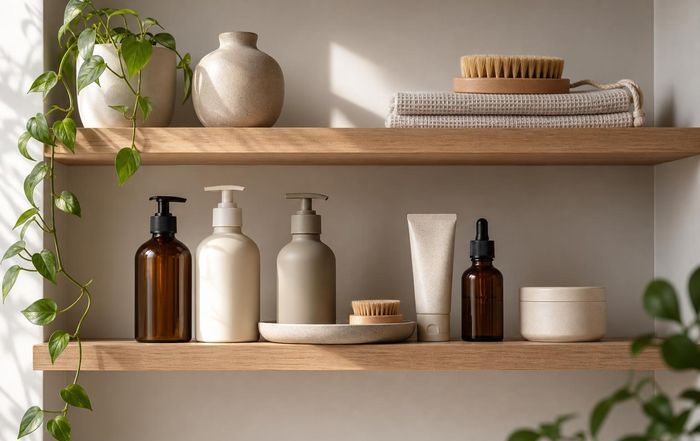
How to Create a Minimalist Body Care Shelf
The New Luxury: Space, Simplicity, and Skin Health
The definition of beauty has shifted decisively away from excess and towards clarity, intention, and long-term wellbeing. For the super active people on BeautyTipa, whose interests span beauty, wellness, skincare, fashion, business, and technology, the minimalist body care shelf has become more than an aesthetic preference; it is a strategic choice that reflects evolving science, consumer values, and lifestyle realities across regions from the United States and United Kingdom to South Korea, Japan, and the Nordic countries. Instead of crowding bathrooms with dozens of overlapping products, discerning consumers and professionals are now curating streamlined, evidence-based collections that prioritize skin health, financial efficiency, and environmental responsibility, while aligning with broader wellness and lifestyle goals.
Minimalism in body care is not about deprivation or rigid rules; it is about designing a system that works reliably and comfortably for real life, whether someone is managing the dry winters of Canada and Germany, the humidity of Singapore and Thailand, the urban pollution of China and Brazil, or the seasonal shifts in Scandinavia and New Zealand. It is also about regaining control in an industry where marketing cycles move faster than most people can reasonably test and evaluate products. A minimalist shelf allows individuals to focus on what actually works, to understand their own skin and body better, and to invest in brands and formulations that demonstrate genuine experience, expertise, authoritativeness, and trustworthiness rather than relying on hype.
Understanding the Purpose of a Minimalist Body Care Shelf
A truly minimalist body care shelf begins with a clear purpose: to deliver clean, comfortable, resilient skin with the fewest well-chosen products necessary, while supporting overall wellness and daily routines. On BeautyTipa, readers frequently explore the intersection between beauty and lifestyle, and the minimalist shelf sits exactly at that intersection, where aesthetic aspirations meet pragmatic daily habits.
Dermatology research over the past decade, including guidance from organizations such as the American Academy of Dermatology and the British Association of Dermatologists, has increasingly emphasized that more products do not necessarily equal better results. Those who wish to delve deeper into medical perspectives on skin health can explore resources from the American Academy of Dermatology and the British Association of Dermatologists, where clinical guidance prioritizes gentle cleansing, appropriate moisturization, and targeted treatment over complex layering for most people.
The minimalist shelf therefore aims to accomplish several key objectives simultaneously: maintain the skin barrier, manage hydration, protect from UV radiation, address specific concerns such as keratosis pilaris or body acne, and integrate seamlessly into daily life. It also serves as a physical reminder of personal values: sustainability, financial prudence, and mental clarity. For professionals in beauty, wellness, and retail, understanding this mindset is crucial, as it shapes consumer behavior across markets in Europe, Asia, North America, Africa, and South America.
Step One: Clarifying Skin Needs and Lifestyle Realities
Before a single product is placed on the shelf, a minimalist approach requires an honest assessment of skin type, climate, health status, and daily habits. Many readers of BeautyTipa already engage with content on skincare fundamentals and wellness routines, but body care is often treated as an afterthought compared to facial skincare, despite the skin being the largest organ of the body.
A foundational starting point is to understand the skin barrier and its functions. Resources from CeraVe and La Roche-Posay, two brands that work closely with dermatologists, provide accessible explanations of how ceramides, lipids, and pH balance contribute to barrier integrity. Those interested can review educational materials from CeraVe and La Roche-Posay to gain a deeper understanding of barrier-supportive care.
In practice, clarifying needs involves asking structured questions: Is the climate where one lives predominantly dry, humid, or variable, as in countries like Australia and South Africa? Is the water hard, as in parts of the United Kingdom and the Netherlands, which can exacerbate dryness? Are there specific body concerns such as eczema, psoriasis, body acne, or hyperpigmentation that may require medical guidance? The National Eczema Association and Mayo Clinic offer reliable overviews of common skin conditions and when to seek professional help; readers can learn more about eczema-friendly routines or explore evidence-based information on skin conditions.
For those whose interests span wellness, health, and fitness, as many BeautyTipa readers do, body care must also align with exercise frequency, sweat patterns, and shower habits. Athletes or regular gym-goers in countries such as the United States, Brazil, and Japan may need formulations that respect frequent washing without stripping the skin. This is where knowledge of ingredients, formulation quality, and personal tolerance becomes critical, and where the minimalist shelf must be designed with realistic daily use in mind rather than idealized routines that are difficult to sustain.
The Core Architecture of a Minimalist Body Care Shelf
Once needs are clarified, the architecture of a minimalist shelf can be built around a few essential categories: cleanser, moisturizer, targeted treatment, sun protection, and, optionally, fragrance or sensorial enhancers that support emotional wellbeing. On BeautyTipa, the concept of intentional routines is central, and the minimalist shelf should be seen as the physical infrastructure that enables those routines to be simple yet effective.
A body cleanser should be gentle, pH-balanced, and free from unnecessary irritants for most users, while still providing an enjoyable sensory experience. Dermatology-aligned brands such as Eucerin and Aveeno have invested in research on mild surfactants and barrier-supporting ingredients, and their educational content can help readers understand how to choose gentle cleansers or explore colloidal oatmeal benefits. The minimalist approach typically favors a single primary cleanser that can be used daily, with perhaps one alternate product for specific needs, such as a salicylic acid body wash for those with body acne.
Moisturizer is the second non-negotiable element, especially in climates with cold winters or air-conditioned environments, as in Canada, Germany, Singapore, and the United Arab Emirates. The goal is to select a formula that balances humectants, emollients, and occlusives in a texture that suits the user's preferences and schedule. Readers who want to deepen their understanding of ingredient functions can consult the International Dermal Institute or explore educational content on skin barrier science. A minimalist shelf generally performs better with one primary moisturizer that is used consistently, rather than multiple half-used lotions that create decision fatigue and clutter.
Targeted treatments, such as exfoliating lotions with lactic acid or urea, retinoid-based body products, or specialized creams for conditions like keratosis pilaris, should be chosen sparingly and with clear objectives. Evidence-based perspectives on ingredients like retinoids and alpha hydroxy acids can be found through resources such as Harvard Health Publishing and Cleveland Clinic, where readers can learn more about retinoids and their benefits or review medical guidance on chemical exfoliants. In a minimalist framework, each targeted product must earn its place by addressing a specific, persistent issue rather than being a novelty purchase.
Sun protection for the body, though often neglected, is essential for long-term skin health and aesthetic outcomes, particularly in regions with high UV exposure such as Australia, South Africa, Spain, and Brazil. Organizations like the World Health Organization and Cancer Research UK provide clear, science-based recommendations on UV safety and daily habits; readers can explore global UV safety guidelines or learn more about skin cancer prevention. A minimalist shelf will typically include one broad-spectrum body sunscreen that is pleasant enough in texture and fragrance to encourage regular use, even on days when sun exposure seems incidental.
Curating Brands and Products with Trust at the Center
In an era where consumers across Europe, Asia, and North America are increasingly skeptical of unverified claims, the minimalist body care shelf must be curated with a focus on brands and products that demonstrate real-world performance and transparency. On BeautyTipa, the brands and products coverage emphasizes not only trends but also long-term trustworthiness, and this same lens can be applied when building a personal collection.
Key indicators of trust include clear ingredient lists, avoidance of misleading "free from" marketing that plays on fear rather than science, and a willingness to share testing data or collaborate with dermatologists and regulatory bodies. The European Commission's Cosmetic Products Regulation framework and resources from the U.S. Food and Drug Administration offer insight into how products are regulated and what safety standards they must meet; professionals and informed consumers can review EU cosmetic regulations or learn about cosmetic safety oversight. Brands that align with these standards and communicate clearly about their processes tend to be safer long-term investments for a minimalist shelf.
From a global business perspective, the rise of minimalist curation is also reshaping how beauty companies in markets like France, South Korea, and the United States design their product portfolios. Investors and entrepreneurs following BeautyTipa's business and finance coverage will recognize that companies with focused, high-performing ranges often build stronger brand equity than those pushing constant, overlapping launches. For consumers, this means that choosing brands with a smaller, more coherent offering can make it easier to assemble a minimalist shelf without redundancy.
Integrating Wellness, Nutrition, and Lifestyle into Body Care
A minimalist body care shelf cannot be considered in isolation from broader wellness and lifestyle choices. Many concerns that show up on the skin of the body, from dryness and dullness to inflammation, are influenced by sleep quality, stress, nutrition, and movement. The holistic orientation of BeautyTipa, with content spanning wellness, health and fitness, and food and nutrition, reflects this interconnectedness.
Evidence from organizations such as the World Health Organization and Harvard T.H. Chan School of Public Health underscores the role of hydration, a balanced diet rich in essential fatty acids, and regular physical activity in maintaining skin function and appearance. Readers interested in the science behind these connections can explore nutrition and health guidance or review WHO recommendations on lifestyle and chronic disease prevention. When internal factors are addressed, the external products required to maintain comfortable skin often decrease, reinforcing the logic of a minimalist shelf.
Additionally, practices such as stress management, mindfulness, and sleep hygiene have been linked to improved skin outcomes, as cortisol and systemic inflammation can exacerbate conditions like eczema and psoriasis. Resources from Cleveland Clinic and Johns Hopkins Medicine provide accessible overviews of how stress and sleep impact overall health; readers can learn more about stress and the body or review sleep and wellness insights. For a global, time-pressed audience balancing careers, family, and travel, integrating small, sustainable wellness habits may be more impactful than constantly adding new topical products.
Designing a Shelf That Fits Real Routines
Minimalism is not only about how many products are owned, but also about how seamlessly they fit into daily life. For readers in cities such as London, New York, Berlin, Singapore, and Tokyo, where space is limited and schedules are demanding, the physical design and organization of the body care shelf can determine whether even the best products are used consistently. On BeautyTipa, guidance on routines emphasizes practicality, and this principle applies directly to shelf design.
A well-designed minimalist shelf typically groups products by function and time of use rather than by brand or aesthetic alone. Morning essentials, such as a gentle cleanser and body sunscreen, should be immediately visible and reachable, while evening-focused products, such as richer moisturizers or exfoliating treatments, can be placed slightly behind but still within easy reach. This simple zoning approach reduces mental friction and supports habit formation, making it more likely that routines will be maintained over months and years.
From an interior design and fashion perspective, particularly in style-conscious markets like France, Italy, and the Netherlands, the visual coherence of the shelf also matters. A minimalist collection with fewer, well-chosen products allows for more intentional choices of packaging aesthetics, storage solutions, and alignment with the overall bathroom or bedroom design. For readers who follow BeautyTipa's fashion content, the shelf can be seen as an extension of personal style-a curated, functional vignette that reflects taste, priorities, and global sensibilities.
Technology, Data, and the Future of Minimalist Body Care
By 2026, technology has become deeply embedded in beauty and wellness, from ingredient databases and AI-driven recommendations to smart mirrors and connected devices. For the audience of BeautyTipa, which closely follows technology in beauty, the minimalist body care shelf is increasingly shaped by data rather than guesswork. Yet the goal remains the same: fewer, better products that are more accurately matched to individual needs.
Online resources such as INCI Decoder and Cosmetics Ingredient Review have made it easier for consumers to analyze ingredient lists and evaluate whether products are likely to be redundant or irritating. Those who wish to deepen their ingredient literacy can explore ingredient explanations and safety assessments or review independent evaluations of cosmetic ingredients. At the same time, dermatology teleconsultations and digital health platforms are enabling individuals in regions with limited in-person access, such as parts of Africa, South America, and remote areas of Australia and Canada, to receive personalized guidance that can prevent unnecessary product accumulation.
For professionals and job seekers in the beauty and wellness sectors, which are covered in BeautyTipa's jobs and employment section, the rise of data-informed minimalism is reshaping roles in product development, marketing, and retail. Expertise now requires not only creative vision but also an understanding of consumer psychology, sustainability metrics, and regulatory frameworks across markets from Europe to Asia. Those who can help customers build effective minimalist shelves-through education, consultation, and transparent communication-are increasingly valued in both established companies and innovative startups.
Global Perspectives and Cultural Nuances in Minimalist Body Care
Minimalism does not look identical in every country or region. In Japan and Scandinavia, for example, cultural traditions around simplicity, order, and respect for materials have long influenced beauty and home design, making the transition to minimalist body care shelves feel like a natural evolution. In South Korea, where beauty innovation is rapid and multi-step routines remain popular, a new wave of consumers is selectively adapting minimalist principles without abandoning the pleasure and experimentation that define K-beauty culture.
In markets such as the United States, Canada, and the United Kingdom, where consumer choice is abundant and marketing is highly aggressive, the minimalist shelf can serve as a protective boundary, limiting exposure to constant newness and allowing for more deliberate purchasing decisions. Meanwhile, in emerging markets across Africa, South America, and parts of Asia, minimalism may be driven as much by economic and infrastructural realities as by aesthetics, making the emphasis on multi-functional, high-performance products especially relevant.
International organizations such as the Organisation for Economic Co-operation and Development (OECD) and United Nations Environment Programme (UNEP) have highlighted the environmental impact of overconsumption, including in the beauty sector. Readers can learn more about sustainable consumption patterns or explore global initiatives on sustainable lifestyles. A minimalist body care shelf, especially when combined with conscious choices around packaging, refills, and recycling, aligns with these broader sustainability goals and resonates strongly with younger consumers in Europe, North America, and Asia who prioritize climate-conscious living.
Making Minimalism Personal with BeautyTipa
For BeautyTipa, the minimalist body care shelf is not a prescriptive checklist but a framework that can be customized to each reader's circumstances, aspirations, and cultural background. Whether someone comes to the platform for insights on trends, events, or practical guides and tips, the underlying philosophy remains consistent: informed choice, respect for evidence, and a holistic view of beauty that includes skin, health, lifestyle, and environment.
By 2026, the most successful body care routines around the world-from the United States and Germany to Singapore, South Korea, South Africa, and Brazil-are those that are sustainable in every sense: sustainable for the skin barrier, sustainable for personal finances, sustainable for the environment, and sustainable in terms of time and mental energy. A minimalist shelf, carefully curated and periodically reassessed, becomes a quiet yet powerful expression of these values.
As the global beauty landscape continues to evolve, BeautyTipa remains committed to helping its international fashionable and beautiful community navigate complexity with clarity, offering perspectives that integrate science, culture, business, and design. In this context, creating a minimalist body care shelf is not merely about reducing product count; it is about elevating standards, honoring the body, and aligning daily rituals with a more intentional way of living, wherever in the world the reader may be. For those who wish to explore connected topics in more depth, the broader ecosystem of BeautyTipa at beautytipa.com offers a comprehensive, trusted space to continue that journey.
