
Skincare Tips for Maintaining a Healthy Skin Barrier
Why the Skin Barrier Matters More Than Ever
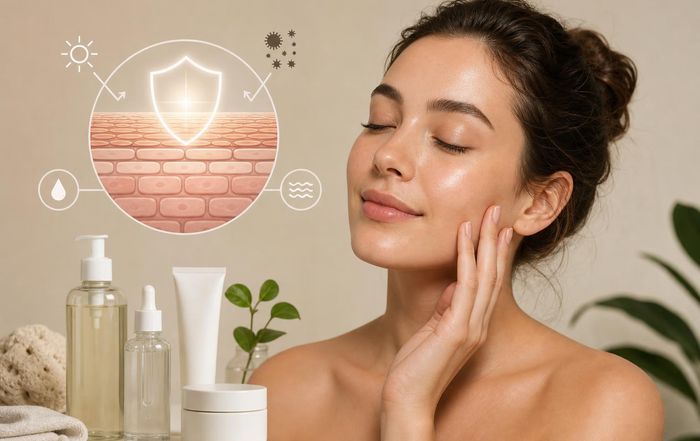
As consumers across North America, Europe, Asia, Africa and South America navigate increasingly complex beauty shelves and digital advice ecosystems, the concept of the "skin barrier" has moved from niche dermatology circles into mainstream beauty conversations. The skin barrier, also known as the stratum corneum, is the outermost layer of the skin and functions as a dynamic shield that protects against environmental aggressors, pollution, pathogens and moisture loss, while helping to maintain overall skin health and comfort. When this barrier is intact, skin appears smoother, more resilient and more radiant; when it is compromised, individuals may experience sensitivity, dryness, redness, breakouts and premature signs of aging.
For the kind and glam fans of BeautyTipa, from skincare enthusiasts in the United States and the United Kingdom to beauty professionals in South Korea, Japan, Germany and Brazil, understanding how to maintain a healthy skin barrier has become a strategic priority rather than a passing trend. As more people combine active ingredients, experiment with professional-grade products at home and face growing environmental stressors, the ability to curate a barrier-supportive routine is now a central pillar of responsible beauty. Loyal readers exploring the broader world of beauty on BeautyTipa, whether through its dedicated sections on skincare, beauty or guides and tips, increasingly expect not only inspiration but also evidence-informed, trustworthy guidance that aligns with the latest dermatological understanding.
Modern dermatology and cosmetic science, as reflected by institutions such as the American Academy of Dermatology and the British Association of Dermatologists, now place the skin barrier at the center of many therapeutic and cosmetic strategies. This shift has major implications for how consumers choose products, build routines, evaluate brands and interpret beauty trends, not only in established markets like the United States, Canada, France and Australia, but also in rapidly evolving beauty hubs such as South Korea, Singapore and South Africa.
Understanding the Science of the Skin Barrier
To maintain a healthy skin barrier, it is essential to understand its structure and function in more than superficial terms. The stratum corneum is often described as a "brick-and-mortar" system, where flattened skin cells (corneocytes) represent the bricks, and a complex mixture of lipids-primarily ceramides, cholesterol and fatty acids-forms the mortar. This architecture controls transepidermal water loss, regulates the penetration of external substances and plays a key role in innate immunity. Research summarized by organizations such as the National Institutes of Health highlights how disruptions in this lipid matrix can trigger or exacerbate conditions like eczema, rosacea and acne.
In addition to lipids and corneocytes, the barrier is supported by natural moisturizing factors, a group of water-attracting substances such as amino acids and urea that help keep the outer layer supple and hydrated. Environmental conditions, including low humidity, cold climates in Scandinavia and Canada, or high UV exposure in Australia and South Africa, can reduce these components and weaken barrier function. At the same time, lifestyle choices, such as over-exfoliation, misuse of strong actives or aggressive cleansing practices, can strip protective lipids and disturb the skin microbiome, the community of microorganisms that contribute to barrier integrity. Readers who explore wellness and health and fitness content on BeautyTipa will recognize that skin health is not isolated; it reflects internal and external influences working together.
Scientific bodies like the European Academy of Dermatology and Venereology and the World Health Organization emphasize that skin is a living organ, responsive to stress, diet, sleep and systemic health. This means that a healthy barrier is not just a cosmetic goal but an indicator of overall well-being, particularly as populations age in Europe, East Asia and North America and as younger demographics in Latin America, Southeast Asia and Africa adopt more sophisticated skincare habits.
Common Causes of a Damaged Skin Barrier
Despite growing awareness, many of the practices that dominate beauty routines in 2026 still pose a risk to barrier health. Around the world, consumers are attracted to rapid results promised by high-strength acids, retinoids and exfoliating devices, often layering multiple active ingredients without adequate guidance. Dermatology experts, including those cited by the Mayo Clinic, repeatedly warn that overuse of strong actives can result in chronic irritation, barrier disruption and rebound sensitivity.
Harsh or overly frequent cleansing remains another leading cause of barrier damage. In markets such as the United States, the United Kingdom and Germany, where consumers may use foaming cleansers multiple times a day, surfactants can strip essential lipids and proteins, leaving the skin more vulnerable. Similarly, in regions with hard water, such as certain parts of France, Italy and Spain, mineral content can exacerbate dryness and irritation when combined with aggressive cleansing habits. Environmental factors, including air pollution in large cities like London, New York, Beijing and São Paulo, and increased UV radiation, especially in Australia and New Zealand, further compromise barrier function by generating oxidative stress and inflammation, as documented by organizations such as the Environmental Protection Agency.
Internal stressors also play a significant role. Chronic stress, poor sleep and unbalanced diets can influence hormonal and inflammatory pathways, thereby affecting the skin's ability to repair itself. Institutions like the Harvard T.H. Chan School of Public Health have highlighted connections between nutrition, systemic inflammation and skin health, encouraging a more holistic approach that goes beyond topical products. For readers who engage with food and nutrition and wellness content on BeautyTipa, this alignment between lifestyle and skin resilience is increasingly evident, particularly in wellness-forward markets such as Scandinavia, Canada and Singapore.
Finally, climate and seasonal changes-from cold, dry winters in Northern Europe and Canada to hot, humid summers in Southeast Asia-create varying demands on the skin barrier. Individuals who travel frequently between regions, a growing segment among BeautyTipa's international audience, often experience sudden changes in barrier behavior, emphasizing the need for adaptable routines that respect local conditions.
Building a Barrier-Supportive Daily Routine
Maintaining a healthy skin barrier starts with a thoughtfully designed daily routine that emphasizes gentle care, consistency and gradual introduction of actives. Across the global beauty community, dermatologists and skincare professionals increasingly recommend simplified routines rather than elaborate multi-step regimens packed with overlapping functions. Cleansing, moisturizing and sun protection remain the core pillars, with targeted treatments layered carefully and only when necessary.
For cleansing, the emphasis is on low-foaming or non-foaming formulas with mild surfactants and a skin-friendly pH, ideally close to the skin's natural slightly acidic level. Overly alkaline cleansers can disrupt the acid mantle, the thin film that supports barrier function and microbiome balance. In dry climates, such as parts of Germany, Switzerland and the Nordic countries, or during winter months in North America, many experts suggest cleansing only once in the evening for those with dry or sensitive skin, using water or a very mild cleanser in the morning. Readers can explore more about routine design through BeautyTipa's dedicated routines section, which increasingly highlights barrier-conscious approaches.
Moisturizing is the next critical step, and it is here that barrier-supporting ingredients such as ceramides, cholesterol, fatty acids, glycerin and hyaluronic acid play a central role. Dermatology resources like the Cleveland Clinic emphasize that moisturizers which combine humectants (to attract water), emollients (to smooth and soften) and occlusives (to reduce water loss) provide the most comprehensive support for barrier repair and maintenance. In humid climates like Singapore, Thailand and parts of Brazil, lighter textures such as gels and emulsions may be more comfortable, while in drier regions like central Spain or inland Australia, richer creams and balms can offer superior protection.
Daily sun protection is non-negotiable for barrier health, not only to prevent photoaging and skin cancer but also to reduce chronic low-level inflammation that weakens barrier function over time. Organizations such as the Skin Cancer Foundation recommend broad-spectrum sunscreens with adequate SPF, applied generously and reapplied regularly, particularly in high-UV regions such as Australia, New Zealand, South Africa and Southern Europe. On BeautyTipa, discussions in trends and technology beauty sections increasingly highlight advances in sunscreen formulations, from more elegant textures to improved filters suitable for diverse skin tones across Asia, Africa and Latin America.
By anchoring routines in these three pillars-gentle cleansing, effective moisturizing and consistent sun protection-individuals in different climates and cultures can create a stable foundation for barrier health, adding more potent actives only when the skin demonstrates tolerance and need.
Choosing Ingredients that Strengthen the Skin Barrier
Ingredient literacy has become a defining feature of the beauty community in 2026, as consumers worldwide analyze labels, compare formulations and seek credible information from dermatologists and trusted platforms. For barrier support, certain ingredients have emerged as favorites among professionals and informed consumers alike. Ceramides, which naturally occur in the skin, are central to barrier repair, and products containing multi-ceramide complexes are frequently recommended for those with dryness, sensitivity or post-procedure skin. Resources such as DermNet NZ provide accessible explanations of how ceramides and related lipids function within the barrier.
Humectants like glycerin and hyaluronic acid remain indispensable for drawing moisture into the outer layers of the skin, but they must be paired with occlusives or emollients to prevent water from evaporating too quickly, especially in dry climates like parts of Canada, the United States and the Nordic region. Niacinamide has gained particular prominence as a versatile barrier-supporting ingredient, with research indicating benefits for improving barrier function, reducing redness and regulating sebum, making it attractive to consumers in markets as diverse as South Korea, the United Kingdom and Brazil. Authoritative medical resources such as MedlinePlus provide additional background on niacinamide's dermatological applications.
For those with compromised barriers or chronic sensitivity, dermatologists often recommend avoiding high concentrations of exfoliating acids and opting instead for milder options like polyhydroxy acids, which offer gentle exfoliation with added humectant properties. Similarly, while retinoids remain a gold standard for addressing photoaging and acne, they must be introduced cautiously, ideally under professional guidance, and supported by robust moisturizing routines. Readers exploring brands and products on BeautyTipa increasingly look for formulations that balance efficacy with barrier respect, favoring brands that communicate transparently about concentrations, pH levels and compatibility with sensitive skin.
The microbiome has also become a focal point of innovation, with prebiotics, probiotics and postbiotics appearing in formulations aimed at supporting the skin's natural microbial community. Scientific organizations such as the International Scientific Association for Probiotics and Prebiotics continue to explore how topical and systemic interventions can influence microbial balance and barrier function. For consumers in fast-growing beauty markets like China, Malaysia and the broader Asia-Pacific region, microbiome-focused skincare aligns with traditional wellness philosophies that emphasize balance and harmony, further reinforcing the holistic approach that BeautyTipa advocates across its wellness and beauty coverage.
Lifestyle, Nutrition and Holistic Barrier Care
A healthy skin barrier cannot be separated from overall lifestyle, and in 2026, the convergence of beauty and wellness is more visible than ever. Nutritional choices, stress management, sleep quality and physical activity all influence the skin's ability to repair and defend itself. Research compiled by organizations such as the Academy of Nutrition and Dietetics underscores the importance of a balanced diet rich in antioxidants, omega-3 fatty acids, vitamins and minerals for supporting skin structure and modulating inflammation.
For readers in regions such as the Mediterranean, where diets traditionally emphasize fruits, vegetables, whole grains and healthy fats, the correlation between nutrition and skin health is often reflected in cultural eating habits. However, urbanization and fast-paced lifestyles in major cities from New York to Tokyo and Johannesburg can lead to more processed diets, which may contribute to systemic inflammation and oxidative stress. By exploring food and nutrition content on BeautyTipa, readers can better align their dietary choices with their skincare goals, recognizing that topical serums and creams cannot fully compensate for chronic nutritional imbalances.
Stress management is another critical factor. Chronic psychological stress elevates cortisol levels, which can impair barrier function, delay wound healing and exacerbate conditions like acne and eczema. Health organizations such as the National Health Service in the United Kingdom provide guidance on stress reduction techniques, from mindfulness to physical exercise, that indirectly support skin health. The integration of mental wellness practices into beauty routines, such as mindful cleansing or facial massage rituals, reflects a broader shift toward viewing skincare as both a protective and restorative practice, particularly in wellness-forward markets like Scandinavia, Canada and Australia.
Sleep, often referred to as "skin's prime time for repair," is equally important. During deep sleep phases, the body focuses on cellular repair and regeneration, including in the skin. Chronic sleep deprivation, increasingly common among professionals in urban centers worldwide, can impair barrier recovery and accelerate visible signs of aging. By recognizing these interconnections, BeautyTipa positions its skincare guidance within a larger framework of holistic well-being, encouraging readers to view barrier care as part of an integrated lifestyle strategy rather than an isolated cosmetic concern.
Global Trends and Technologies in Barrier-Focused Skincare
In the global beauty industry, barrier-focused skincare has transitioned from niche to mainstream, reshaping product development, marketing narratives and consumer expectations. Major multinational companies such as L'Oréal, Estée Lauder Companies and Shiseido have expanded their portfolios of barrier-supportive lines, while emerging brands in South Korea, Japan, Germany and the United States are building entire identities around barrier repair and microbiome balance. Market analyses from organizations like Statista highlight the rapid growth of sensitive-skin and dermocosmetic segments, particularly in Europe, North America and Asia-Pacific.
Technological innovation underpins many of these developments. Advances in encapsulation and delivery systems allow active ingredients such as retinoids, vitamin C and peptides to be delivered more gently and effectively, minimizing irritation and barrier disruption. Digital skin analysis tools, including AI-powered apps and in-store diagnostic devices, help consumers in markets like Singapore, the Netherlands and the United States better understand their barrier status and select appropriate products. Readers interested in how technology intersects with beauty can explore BeautyTipa's dedicated technology beauty section, which tracks these emerging solutions and evaluates their real-world impact.
Sustainability is another powerful force shaping barrier-focused skincare. Consumers in countries such as Germany, Sweden, Norway and Denmark increasingly expect products that are not only gentle on the skin but also responsible toward the environment. Refillable packaging, biodegradable ingredients and responsible sourcing have become differentiators for brands seeking to build long-term trust. Organizations like the United Nations Environment Programme provide frameworks for understanding the environmental impact of cosmetic ingredients and packaging, encouraging both brands and consumers to make more informed choices. For BeautyTipa, which covers business and finance as well as beauty, these trends are as much about strategic positioning and risk management as they are about consumer values.
In parallel, professional treatments in dermatology clinics and medical spas-from laser therapies to chemical peels-are increasingly designed with barrier preservation in mind. Practitioners in the United States, United Kingdom, South Korea and the United Arab Emirates emphasize pre- and post-procedure routines that focus on barrier repair to optimize results and reduce downtime. This professional emphasis influences at-home routines, as consumers seek products that complement or extend clinical outcomes while respecting skin integrity.
Career Opportunities and Professional Expertise in Barrier-Centric Skincare
As barrier health becomes a central theme in global beauty, new career paths and professional roles are emerging across the value chain. Cosmetic chemists, dermatologists, estheticians, product developers, brand strategists and beauty editors are increasingly expected to demonstrate a nuanced understanding of barrier science, ingredient interactions and consumer education. For readers exploring jobs and employment on BeautyTipa, barrier-focused expertise represents a competitive advantage in both established markets like the United States, the United Kingdom and France, and in rapidly expanding beauty economies such as China, Brazil and South Africa.
Educational institutions and professional organizations, including the Society of Cosmetic Chemists, offer specialized training in formulation science, regulatory standards and safety assessment, all of which are crucial for developing barrier-supportive products that meet the expectations of increasingly informed consumers. At the same time, digital content creators and beauty professionals must navigate a landscape where misinformation can spread quickly, making evidence-based communication and ethical marketing more important than ever. Platforms like BeautyTipa, with its commitment to trustworthiness and expertise, play a vital role in bridging the gap between scientific knowledge and consumer understanding.
International collaboration is also expanding, as brands and professionals from Asia, Europe, North America and Latin America share research, co-develop products and adapt formulations to local climates and cultural preferences. This global exchange enriches the barrier-care conversation, bringing together traditional botanical knowledge from regions like Asia and Africa with cutting-edge dermatological research from institutions in the United States and Europe. Readers interested in the international dimension of beauty can explore BeautyTipa's international coverage, which highlights how barrier-focused trends manifest differently across markets while sharing a common scientific foundation.
Integrating Barrier Care into Beauty, Makeup and Fashion
Barrier health does not exist in isolation from other aspects of beauty and style. Makeup choices, fashion trends and daily habits all influence how the skin barrier performs over time. In 2026, many makeup brands are reformulating foundations, concealers and primers to include barrier-supportive ingredients such as ceramides, squalane and soothing botanicals, responding to consumers in markets like Canada, Italy and Japan who demand products that offer both aesthetic and skincare benefits. Readers exploring makeup on BeautyTipa increasingly encounter guidance on selecting complexion products that complement rather than conflict with barrier-focused routines.
Long-wear and matte formulas, while popular in humid climates like Southeast Asia and parts of South America, can be drying or occlusive if not balanced with proper skin preparation and removal. Gentle, thorough cleansing at the end of the day remains critical, as residual makeup and pollution particles can contribute to irritation and barrier stress. In the realm of fashion, choices such as tight collars, synthetic fabrics or rough textures can cause friction and micro-irritation on the neck, jawline and body, particularly for individuals with sensitive or compromised barriers. The intersection of fashion and skincare is becoming more apparent as consumers in cities from Paris to Seoul seek textiles and designs that are not only stylish but also skin-friendly.
Beauty events and trade shows in regions such as Europe, Asia and North America increasingly feature dedicated panels and workshops on barrier health, reflecting its status as a central theme in both consumer and professional conversations. Through its events coverage, BeautyTipa documents how industry leaders, brand founders and dermatology experts collaborate to educate audiences, launch barrier-focused lines and share best practices for integrating barrier care into everyday beauty rituals.
Online Sites in Guiding Barrier Health
In a digital landscape crowded with advice, product claims and social media trends, the need for trustworthy, expert-driven guidance has never been greater. Sites like BeautyTipa carry a responsibility to curate information that is aligned with current dermatological understanding, transparent about limitations and sensitive to the diverse needs of a global audience spanning the United States, Europe, Asia, Africa and South America. By integrating insights from medical authorities, scientific organizations and experienced professionals, BeautyTipa seeks to empower new and old readers to make informed decisions about their skin barrier health, whether they are beginners exploring basic skincare routines or professionals analyzing business and finance opportunities in the beauty sector.
As the industry continues to evolve through technological innovation, sustainability imperatives and shifting consumer expectations, barrier-focused skincare stands out as a unifying theme that connects product development, lifestyle choices, professional practice and global collaboration. For the active community that turns to BeautyTipa for original guidance across beauty, wellness, health, nutrition, fashion and technology, maintaining a healthy skin barrier is not just a cosmetic objective; it is a long-term investment in resilience, confidence and well-being. In 2026 and beyond, those who understand and respect the skin barrier-consumers, brands and professionals alike-will be best positioned to navigate the future of beauty with clarity, responsibility and lasting impact.
