
Technology Tools Helping Salons Improve Client Service
The New Digital Standard for Salon Excellence
The professional beauty industry has moved decisively into a digital-first era, where client expectations are shaped as much by experiences with Amazon, Uber, and Netflix as by their favorite local salon. Clients across North America, Europe, Asia, and beyond increasingly expect seamless online booking, personalized recommendations, transparent pricing, and frictionless payments, while also demanding sustainability, inclusivity, and visible hygiene standards. Within this context, technology tools have become central to how salons differentiate themselves, protect profitability, and build long-term loyalty, and BeautyTipa.com has positioned itself as a trusted guide for owners, managers, and professionals navigating this transformation.
For salon leaders, the core challenge is no longer whether to adopt technology but how to integrate it intelligently into every aspect of the client journey without sacrificing the human touch that remains at the heart of beauty and wellness services. From AI-powered booking engines and digital skin diagnostics to data-driven retailing and virtual consultations, technology is reshaping how salons attract, serve, and retain clients, while also redefining what excellence in beauty, wellness, and skincare means in markets as diverse as the United States, the United Kingdom, Germany, China, and Brazil. As global competition intensifies and consumer behaviors continue to evolve, salons that understand and strategically deploy these tools are better positioned to elevate both client experience and operational performance.
From Appointment Books to Intelligent Booking Ecosystems
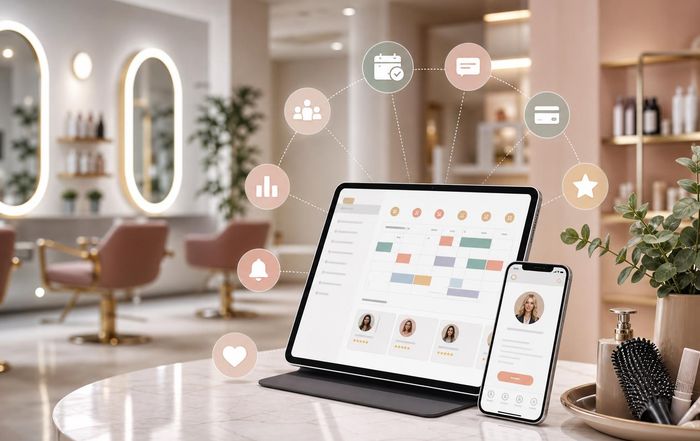
The evolution from paper appointment books to cloud-based scheduling systems marked the first major digital shift in the salon industry, but by 2026, leading salons have moved far beyond basic online booking. Modern salon management platforms integrate scheduling, client history, digital consultation forms, payment processing, inventory, and marketing automation into a unified ecosystem that supports every stage of the client relationship. Solutions from companies such as Fresha, Vagaro, Zenoti, and Phorest have helped standardize the expectation that clients can book 24/7, modify appointments, receive automated reminders, and store payment information securely. Industry reports from organizations like McKinsey & Company highlight how such frictionless digital experiences are now a baseline expectation in service sectors, influencing how clients assess professionalism and reliability. Learn more about how digital transformation is reshaping services on McKinsey.
Smart booking systems are increasingly powered by algorithmic logic that optimizes staff utilization, color processing times, and room allocation for spa services, while also predicting peak demand periods. These tools help salon owners in markets from Canada to Singapore minimize gaps in schedules, reduce no-shows through automated SMS and email reminders, and enable dynamic pricing strategies that reward off-peak bookings. For readers of BeautyTipa.com exploring how such tools integrate with broader business and finance strategy, the key insight is that booking technology is no longer just an administrative convenience; it is a revenue management engine and a critical touchpoint in client perception of brand sophistication and trustworthiness.
Personalization at Scale Through Data and AI
As clients in the United States, Europe, and Asia become more accustomed to personalized experiences in e-commerce and streaming services, they increasingly expect the same level of tailored attention in beauty and wellness. Modern salon software now captures granular data on service history, product purchases, allergies, preferences, and even lifestyle factors such as fitness habits and travel frequency. When used responsibly and transparently, this data allows salons to offer highly customized service recommendations, targeted promotions, and follow-up care plans that feel thoughtful rather than generic. Insights from Deloitte on consumer personalization trends underscore how data-driven experiences significantly increase loyalty and spending, particularly among younger demographics. Explore these broader personalization trends on Deloitte.
Artificial intelligence and machine learning are playing a growing role in analyzing client data to identify patterns and opportunities. AI-powered recommendation engines can suggest add-on services, retail products, or maintenance appointments based on factors such as hair growth cycles, skin type, seasonal changes, or previous responses to treatments. For example, clients who have booked keratin treatments in Germany or balayage services in Australia can receive automated, yet personalized, reminders when it is time for a refresh, along with curated product suggestions for at-home care. For professionals exploring advanced technology in beauty on BeautyTipa.com, this convergence of AI and client data is becoming central to delivering consistent, high-value experiences across diverse markets and service categories.
Digital Consultation, Diagnostics, and Skincare Intelligence
In 2026, one of the most transformative developments in client service lies in digital consultation and diagnostic tools, particularly in skincare and hair health. High-resolution imaging devices, AI-driven analysis apps, and connected diagnostic tools allow salons and spas to assess skin conditions, scalp health, and hair integrity with a level of precision that was previously limited to dermatology clinics and medical aesthetics practices. Organizations such as the American Academy of Dermatology emphasize the importance of evidence-based assessment in skincare, and technology now enables salons to align more closely with these standards while remaining within their professional scope of practice. Learn more about clinical perspectives on skin health on the American Academy of Dermatology.
AI-based skin analysis tools, which can detect dryness, pigmentation, fine lines, and sensitivity, support more precise product and treatment recommendations, enhancing both client trust and treatment outcomes. In markets such as South Korea and Japan, where skincare routines are highly sophisticated, clients increasingly expect this level of diagnostic rigor even in non-medical settings. For readers exploring skincare and wellness content on BeautyTipa.com, these tools represent a bridge between consumer beauty and clinical-grade insight, enabling salons to position themselves as knowledgeable partners in long-term skin and hair health rather than mere providers of one-off services.
Omnichannel Beauty: Connecting In-Salon and At-Home Experiences
The boundaries between in-salon experiences and at-home routines have become increasingly blurred, particularly since the acceleration of digital adoption during the early 2020s. Clients now expect that what happens in the chair or treatment room will be seamlessly connected to what they do at home, whether through curated product recommendations, personalized routines, or ongoing digital support. Global consultancies such as Accenture have documented how omnichannel strategies enhance customer lifetime value in retail and services, and salons are now adopting similar thinking to create continuous engagement before, during, and after appointments. Explore broader omnichannel insights on Accenture.
Digital platforms allow salons to create individualized beauty and wellness plans that extend beyond the appointment, including recommended skincare regimens, haircare routines, and wellness practices that support overall results. For example, a client receiving a facial in France might receive a personalized digital guide outlining morning and evening routines, ingredient education, and lifestyle tips, all aligned with products available for purchase through the salon's e-commerce channel. On BeautyTipa.com, resources such as beauty, routines, and guides and tips support this shift toward holistic, continuous engagement, helping both professionals and clients create more coherent, sustainable beauty and wellness ecosystems.
Elevating Retail and Product Education with Technology
Retail has long represented a crucial revenue stream for salons, but selling products in a way that feels consultative rather than transactional has been a persistent challenge. In 2026, technology is helping salons around the world, from the United Kingdom and Italy to Singapore and South Africa, transform retail into a more educational, data-informed, and client-centric experience. Digital shelves, QR codes, and tablet-based product catalogs allow clients to explore ingredient information, usage instructions, and compatibility with their specific needs, while also enabling salons to maintain a curated but lean physical inventory. Industry analysis from Euromonitor International and Mintel points to the growing importance of education and transparency in beauty purchasing decisions, especially among younger and more sustainability-conscious consumers. Learn more about global beauty retail trends on Euromonitor.
For salons that carry professional lines from brands such as L'Oréal Professionnel, Wella Professionals, Dermalogica, or SkinCeuticals, integrated technology platforms can track which products are recommended during consultations, which are purchased, and how often clients repurchase. This data supports more accurate forecasting, targeted promotions, and tailored follow-up communication. For readers exploring brands and products on BeautyTipa.com, understanding how digital tools can elevate product storytelling and aftercare support is essential to building a more profitable and trust-based retail strategy that serves clients in markets as diverse as Brazil, Sweden, and the United States.
Virtual Consultations, Remote Care, and Global Reach
The rise of virtual consultations has fundamentally changed how salons interact with clients, particularly in regions with large geographic spread such as Canada, Australia, and the United States, as well as in densely populated urban centers across Europe and Asia. Video-based consultations, supported by high-quality cameras and secure communication platforms, enable stylists, colorists, makeup artists, and skincare professionals to advise clients on routine adjustments, product selection, and post-treatment care without requiring an in-person visit. Organizations such as the World Health Organization (WHO) and national health agencies have emphasized the value of remote care models in healthcare, and similar principles are now being adapted in non-medical beauty and wellness contexts to increase access and continuity of care. Learn more about remote care frameworks on the World Health Organization.
For international clients or those who travel frequently between regions such as Europe, Asia, and North America, virtual consultations allow for continuity of guidance even when physical visits are infrequent. Salons can support bridal clients planning destination weddings in Italy or Thailand, corporate professionals relocating between London and Singapore, or long-term skincare clients who split time between New York and Zurich. For BeautyTipa.com, whose audience spans global markets and follows categories such as makeup, health and fitness, and international trends, virtual consultation tools represent a powerful way for salons to extend their expertise beyond local boundaries while maintaining a personal, relationship-driven approach.
Enhancing In-Salon Experience: From Check-In to Payment
Within the physical salon environment, technology tools are reshaping every touchpoint from arrival to checkout, with a strong emphasis on convenience, hygiene, and personalization. Contactless check-in via mobile apps or kiosks, digital consent forms, and integrated health questionnaires have become standard in many markets, reflecting both post-pandemic sensitivities and broader expectations for streamlined experiences. Organizations such as the World Economic Forum have documented how digital interfaces and automation are redefining service experiences across industries, and salons are adopting these innovations to reduce administrative friction and allow staff to focus more fully on client interaction. Explore broader service experience trends on the World Economic Forum.
Payment processes have similarly evolved, with contactless payments, mobile wallets, and integrated tipping systems now widely adopted across regions from the Netherlands and Switzerland to Japan and New Zealand. Many salons offer the option to store cards securely, prepay for packages, or subscribe to membership models that bundle services and retail. These models, supported by robust software platforms, not only improve cash flow and predictability for salon owners but also simplify decision-making for clients who prefer predictable, subscription-style arrangements. For readers of BeautyTipa.com looking to align client experience with broader business and finance strategies, these technologies offer an opportunity to design more predictable, mutually beneficial financial relationships with clients.
Sustainability, Ethics, and Transparency Enabled by Technology
Across markets such as Germany, France, the Nordic countries, and increasingly throughout Asia-Pacific and North America, clients are paying closer attention to the environmental and ethical impact of the salons they choose. Technology tools now play a central role in measuring, managing, and communicating sustainability performance in areas such as energy use, water consumption, product sourcing, and waste management. Initiatives from organizations like the Ellen MacArthur Foundation and the UN Environment Programme have emphasized circularity, responsible consumption, and transparent reporting, and forward-thinking salons are applying these principles to their own operations. Learn more about circularity and sustainability frameworks on the Ellen MacArthur Foundation.
Software platforms can track usage of water and energy-intensive equipment, monitor product inventory to reduce waste, and support refill or recycling programs. Digital tools also enable salons to share verifiable information about cruelty-free, vegan, or low-tox formulations, as well as certifications related to fair trade or carbon neutrality. For BeautyTipa.com, which covers adjacent areas such as food and nutrition and fashion, this intersection of sustainability, technology, and beauty reflects a broader lifestyle shift in which clients seek alignment between their values and their purchasing decisions. Salons that leverage technology to substantiate and communicate their environmental and ethical commitments strengthen trust and differentiate themselves in increasingly competitive markets.
Training, Talent, and the Future of Salon Careers
Technology tools are not only transforming client experience but also the way salon professionals learn, grow, and build careers. Digital education platforms, augmented reality training modules, and certification programs delivered by major brands and independent academies allow stylists, colorists, estheticians, and nail technicians to access high-quality education regardless of location. Organizations such as L'Oréal, Wella Company, and Coty have invested heavily in digital education ecosystems, while independent platforms and industry associations provide ongoing professional development. Broader labor market analyses from bodies like the International Labour Organization (ILO) highlight how digital skills are becoming essential across sectors, including beauty and personal care. Learn more about evolving work and skills on the International Labour Organization.
For salon owners and managers in the United States, the United Kingdom, South Africa, Malaysia, and beyond, this shift has important implications for recruitment, retention, and career progression. Technology tools support structured onboarding, standardized procedures, and performance tracking, which in turn help create clearer career pathways and more transparent expectations. For readers exploring jobs and employment on BeautyTipa.com, the integration of technology into training and daily workflow underscores the importance of digital fluency as a core competency for modern beauty professionals. Salons that invest in these tools not only improve service consistency and safety but also position themselves as attractive employers for ambitious talent seeking long-term growth.
Data Protection, Regulation, and Client Trust
With the increasing use of data-driven tools comes heightened responsibility to protect client information and comply with privacy regulations in different jurisdictions. Regulations such as the European Union's General Data Protection Regulation (GDPR), California's privacy laws, and emerging frameworks in Asia and other regions impose clear obligations on how salons collect, store, and use personal data. Government and regulatory websites, such as the official EU GDPR portal, provide guidance on compliance requirements that apply to businesses of all sizes, including independent salons and multi-location chains.
For salons using sophisticated booking, CRM, and diagnostic platforms, transparent communication about data usage, clear consent processes, and robust cybersecurity practices are fundamental to maintaining trust. Clients in markets such as Switzerland, Denmark, and Japan, where privacy awareness is particularly high, are more likely to reward businesses that demonstrate respect for data protection and ethical use of AI. For BeautyTipa.com, which emphasizes Experience, Expertise, Authoritativeness, and Trustworthiness across its coverage, this dimension of technology adoption is central: the most advanced tools are valuable only when deployed within a framework of integrity, compliance, and respect for client autonomy.
Positioning BeautyTipa as a Expert Partner in Salon Innovation
As technology continues to reshape beauty, wellness, and fashion worldwide, salon leaders face an ongoing need to evaluate tools, understand trends, and make investment decisions that align with their brand positioning, client base, and financial realities. BeautyTipa.com serves as a strategic partner in this process, offering in-depth daily coverage of trends, events, and practical guides and tips that help professionals navigate a rapidly evolving landscape. By connecting insights from technology, business strategy, client psychology, and global market dynamics, the platform supports salon owners and professionals in making informed, future-ready decisions.
Readers interested in exploring how emerging tools intersect with creativity, client care, and commercial performance can navigate seamlessly between categories such as technology beauty, business and finance, and core service areas like skincare, wellness, and beauty. In doing so, they gain a holistic view of how digital tools-from AI diagnostics and virtual consultations to smart booking systems and sustainability platforms-can be integrated into coherent strategies that prioritize client experience while safeguarding profitability and brand integrity. As the global beauty industry moves deeper into the digital age, salons that combine human artistry with intelligent technology, guided by authoritative resources such as BeautyTipa.com, will be best placed to deliver exceptional, trustworthy, and future-proof client service.
