
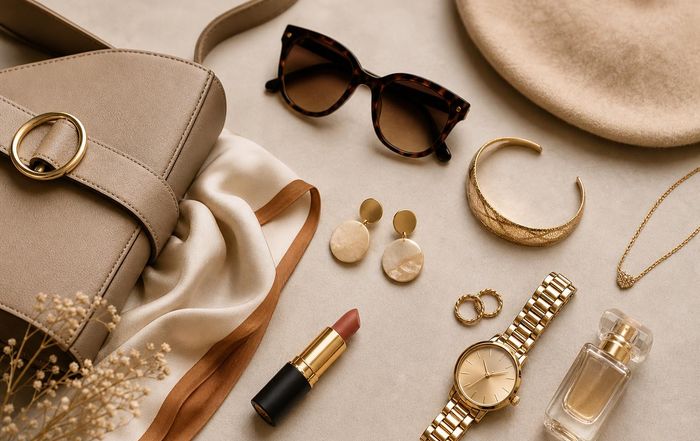
Fashion Accessories That Highlight Beauty Choices
How Accessories Became Strategic Beauty Decisions
In these times fashion accessories are no longer treated as afterthoughts or decorative extras; they have evolved into deliberate, strategic tools that shape how individuals express their beauty choices, communicate their values, and position themselves in a rapidly shifting global marketplace. For the glamorous and fantastically fashionable audience of BeautyTipa and its international community of beauty, wellness, and fashion enthusiasts, accessories now sit at the intersection of aesthetics, technology, sustainability, and personal wellbeing, reflecting a broader cultural shift in which every visible detail is expected to carry meaning and intent. As consumers across the United States, Europe, Asia, Africa, and South America become more informed and more demanding, brands and professionals are learning that a lipstick shade, a skincare routine, and a pair of earrings or a smart ring are all parts of one coherent narrative about identity, confidence, and lifestyle.
This evolution is particularly evident in major beauty and fashion markets such as the United States, the United Kingdom, Germany, Canada, Australia, France, and South Korea, where the lines between beauty and fashion have blurred into a single ecosystem of self-presentation. Accessories that frame the face, interact with skin, or complement makeup are now assessed with the same scrutiny as serums or foundations, and platforms like BeautyTipa help readers connect their accessory choices to their broader beauty and skincare goals. From Seoul to New York, Milan to Tokyo, consumers want accessories that not only look striking but also align with their routines, values, and professional aspirations, which is why the conversation around accessories has become central to discussions of expertise, authoritativeness, and trust in the beauty and fashion industries.
Face-Framing Accessories and the Architecture of Beauty
Accessories that frame the face-earrings, eyewear, hair ornaments, and headpieces-have become essential instruments in shaping perceived facial structure, skin luminosity, and even emotional tone. In 2026, professional makeup artists and image consultants increasingly treat these items as architectural elements that can visually balance features, soften angles, and draw attention to a person's preferred beauty focal points. For example, in markets like Japan, South Korea, and Singapore, where minimal base makeup and subtle color palettes are popular, sculptural earrings and delicate hair clips frequently serve as the primary source of visual drama, allowing individuals to maintain a refined skincare-focused look while still expressing personality.
The growth of blue-light-blocking eyewear and fashion-forward prescription frames demonstrates how function and aesthetics now merge in face-framing accessories. Organizations such as the American Academy of Ophthalmology explain how digital eye strain can affect comfort and performance, and consumers increasingly look for frames that protect their eyes while harmonizing with their complexion and makeup choices. Learn more about digital eye health from the American Academy of Ophthalmology. At the same time, beauty professionals understand that the color and shape of frames can either enhance or compete with eye makeup, leading to more integrated styling advice that considers both the optical and cosmetic dimensions of a client's appearance.
For the BeautyTipa reader, such integration means that choosing earrings or glasses is no longer a separate decision from planning a daily look; it is part of a coherent routine that spans routines, skincare, and makeup. This holistic approach is particularly relevant for professionals and entrepreneurs who need reliable, repeatable image strategies that support their personal brand across video calls, in-person meetings, and social media content. In global business hubs from London to Singapore, the right combination of understated accessories and polished beauty choices can subtly communicate credibility, cultural awareness, and attention to detail, reinforcing the perception of expertise and trustworthiness in both personal and corporate contexts.
Jewelry, Skin Tone, and the Science of Radiance
Jewelry has always been a powerful tool for enhancing perceived radiance, but in 2026, the relationship between metals, gemstones, and skin tone is being approached with greater scientific rigor and personalization. Color theory, undertone analysis, and even digital diagnostics have become common in major markets such as the United States, Germany, France, and South Korea, where tech-driven beauty solutions are widely adopted. Platforms that analyze undertones using smartphone cameras or augmented reality, pioneered by companies like L'Oréal through its technology incubator, help consumers understand whether cool, warm, or neutral metals best complement their complexion. Explore how beauty tech is reshaping personalization with insights from L'Oréal Groupe.
Gold, rose gold, platinum, and silver are no longer chosen solely based on trend cycles; they are evaluated in relation to how they interact with natural skin coloration, makeup preferences, and even hair color. In markets like Italy and Spain, where sun-kissed skin is common and bronzed makeup looks remain popular, warm metals can amplify a healthy glow, while in Nordic countries such as Sweden, Norway, and Finland, cooler metals and icy gemstones often harmonize with lighter complexions and understated beauty aesthetics. Professional stylists and beauty consultants increasingly collaborate, combining their expertise to create accessory strategies that support chosen beauty narratives, whether the goal is to project power, softness, creativity, or minimalism.
At BeautyTipa, this convergence of science and style is reflected in content that connects jewelry choices to both makeup and skincare, helping readers understand how reflective surfaces near the face can emphasize texture, highlight, or shadow. For individuals investing in advanced skincare routines, including treatments discussed by organizations such as the American Academy of Dermatology, jewelry becomes a complementary tool that draws attention to areas of the face where skin health is most visible. Learn more about evidence-based skincare from the American Academy of Dermatology. In professional environments from New York to Zurich, where subtlety and polish are prized, the right jewelry can underline a commitment to self-care and detail-oriented presentation without appearing ostentatious.
Handbags, Beauty Routines, and On-the-Go Wellness
Handbags, clutches, and crossbody bags have long been status symbols, but in 2026 they are increasingly evaluated through the lens of how effectively they support on-the-go beauty and wellness routines. As hybrid work arrangements remain common across North America, Europe, and Asia, professionals demand accessories that can carry skincare minis, makeup essentials, wellness supplements, and digital devices without sacrificing aesthetics. The rise of compact, organized interiors, modular pouches, and antimicrobial linings reflects a broader post-pandemic awareness of hygiene and personal wellbeing, which organizations like the World Health Organization continue to emphasize as part of global health literacy. Explore current health guidance at the World Health Organization.
In major fashion capitals such as Paris, Milan, London, and New York, luxury houses and emerging designers alike are developing handbags that anticipate the needs of beauty-conscious consumers. Compartments sized for refillable fragrance bottles, reusable makeup palettes, and collapsible water bottles demonstrate a recognition that modern beauty is inseparable from hydration, nutrition, and stress management. For readers of BeautyTipa, who often balance demanding careers with complex wellness and health and fitness routines, the handbag becomes a mobile ecosystem that supports appearance, performance, and resilience throughout the day.
In markets such as Singapore, Japan, and South Korea, where public transportation and walking commutes are common, lightweight yet structured bags that protect skincare from heat and light are particularly valued. This attention to the stability of active ingredients mirrors guidance from institutions such as the U.S. Food and Drug Administration, which provides information about how light and temperature can affect product efficacy. Learn more about cosmetic regulation and safety from the U.S. Food and Drug Administration. By choosing bags that preserve the integrity of their beauty products, consumers demonstrate a sophisticated understanding of the science behind their routines, reinforcing their role as informed, discerning participants in the beauty economy.
Smart Accessories and the Fusion of Beauty with Technology
The integration of technology into fashion accessories has accelerated dramatically by 2026, with smart rings, watches, earrings, and even necklaces now capable of tracking biometric data, monitoring environmental conditions, and interacting with beauty devices. In technology-forward markets such as the United States, China, South Korea, and Singapore, consumers expect their accessories not only to complement their appearance but also to provide actionable insights about sleep quality, stress levels, UV exposure, and air pollution. Organizations like the World Economic Forum have highlighted how wearable technology is transforming personal health management and consumer expectations across industries. Learn more about the future of wearables at the World Economic Forum.
For beauty-conscious individuals, this technological evolution translates into smarter decisions about when to reapply sunscreen, how to adjust skincare routines after exposure to urban pollution, and how to time workouts or meditation sessions for maximum recovery. Smart accessories that alert wearers to high UV levels or poor air quality help bridge the gap between environmental realities and beauty aspirations, particularly in densely populated cities across Europe, Asia, and South America. This synergy aligns closely with BeautyTipa's focus on technology and beauty, where readers seek trustworthy guidance on which devices and platforms genuinely support skin health and overall wellness, rather than simply adding complexity to their routines.
Major technology companies, including Apple, Samsung, and Garmin, now position their wearables not only as fitness tools but also as integral components of a holistic lifestyle strategy that encompasses sleep, nutrition, mental health, and appearance. Health authorities such as the Centers for Disease Control and Prevention emphasize the importance of sleep and stress management for overall wellbeing, which in turn affects skin condition and perceived vitality. Learn more about the connections between sleep, stress, and health from the Centers for Disease Control and Prevention. By choosing smart accessories that support healthier habits, consumers indirectly invest in their beauty outcomes, illustrating how technology, fashion, and skincare have converged into a single, interdependent ecosystem.
Sustainable Accessories and the Ethics of Beauty Expression
Sustainability has shifted from a niche concern to a central expectation in the global beauty and fashion landscape, and accessories are at the forefront of this transformation. In 2026, consumers in regions such as the European Union, the United Kingdom, Canada, and Australia increasingly scrutinize the materials, supply chains, and labor practices behind the accessories they purchase, seeking alignment with their ethical and environmental values. Organizations such as the Ellen MacArthur Foundation have been instrumental in promoting circular economy principles, encouraging brands to design accessories for longevity, repairability, and recyclability. Learn more about circular fashion principles at the Ellen MacArthur Foundation.
This ethical lens extends directly to beauty choices, as individuals recognize that the same values guiding their selection of cruelty-free cosmetics or reef-safe sunscreens should apply to handbags, jewelry, and hair accessories. Materials such as recycled metals, plant-based leathers, and responsibly sourced gemstones are becoming standard rather than exceptional, particularly among younger consumers in markets like Germany, the Netherlands, and Scandinavia, where environmental awareness is high. For the BeautyTipa audience, which often includes early adopters of sustainable brands and products, accessories now function as visible declarations of commitment to responsible consumption, reinforcing personal credibility and social impact.
Business leaders and investors are also recognizing that sustainable accessories are not merely a moral imperative but a strategic advantage, as regulatory frameworks tighten and consumer expectations evolve. Reports from organizations such as the OECD and United Nations Environment Programme outline how sustainability requirements are reshaping manufacturing and trade across continents. Learn more about sustainable business practices from the OECD. In this context, brands that transparently communicate sourcing, certifications, and lifecycle impacts gain trust and loyalty, while platforms like BeautyTipa play a crucial role in translating complex sustainability information into clear, actionable guidance for readers in North America, Europe, Asia, and beyond.
Regional Identity, Cultural Heritage, and Accessory Storytelling
Across the world, fashion accessories serve as powerful carriers of cultural heritage and regional identity, allowing individuals to express their roots while engaging with global beauty trends. In 2026, there is a renewed appreciation for traditional craftsmanship in regions such as Africa, South America, and Asia, where artisanship in jewelry, textiles, and hair adornments reflects centuries of cultural history. Organizations like UNESCO highlight the importance of safeguarding intangible cultural heritage, including traditional crafts that often manifest as wearable art. Learn more about cultural heritage initiatives at UNESCO.
In markets such as South Africa, Brazil, Thailand, and Malaysia, accessories inspired by indigenous techniques and motifs are increasingly integrated into contemporary beauty looks, creating a dynamic dialogue between past and present. For instance, beaded jewelry, woven bags, and embroidered headbands can be paired with modern skincare-focused makeup to create looks that are both globally relevant and locally grounded. For BeautyTipa readers in Europe and North America who are inspired by international aesthetics, understanding the cultural context behind such accessories is essential to approaching them with respect and authenticity, rather than treating them as mere trends.
In established fashion capitals such as Paris, Milan, and London, designers are collaborating with artisans from regions like West Africa, Latin America, and Southeast Asia, integrating traditional techniques into luxury accessories that complement high-performance beauty products and advanced skincare. This cross-cultural exchange not only enriches the visual vocabulary of fashion and beauty but also creates economic opportunities for artisans, aligning with broader goals of inclusive and sustainable development promoted by organizations such as the World Bank. Learn more about creative industries and development at the World Bank. For a global platform like BeautyTipa, which serves readers across continents, highlighting the stories and craftsmanship behind accessories helps reinforce a deeper, more respectful engagement with beauty as a universal yet culturally nuanced language.
Professional Image, Career Mobility, and Strategic Accessorizing
In 2026, the relationship between fashion accessories, beauty choices, and professional advancement has become increasingly visible, particularly in competitive job markets across the United States, United Kingdom, Germany, Canada, and Asia-Pacific hubs such as Singapore and Sydney. Recruiters, career coaches, and corporate leaders often emphasize that while competence and performance are paramount, visual presentation can influence first impressions, perceived confidence, and leadership potential. This does not imply a rigid or exclusionary standard of appearance; rather, it highlights the importance of intentional, context-appropriate choices in both beauty and accessories.
For individuals navigating career transitions, remote interviews, or cross-cultural assignments, platforms like BeautyTipa provide guidance that connects jobs and employment insights with practical advice on grooming, skincare, and accessorizing. Discreet yet distinctive accessories-such as a refined watch, understated earrings, or a high-quality bag-can complement a polished skincare routine and subtle makeup, signaling reliability and self-awareness without overshadowing professional achievements. In sectors such as finance, law, and technology, where formal or smart-casual dress codes prevail, the ability to calibrate accessories and beauty choices to organizational culture is increasingly viewed as a form of social intelligence.
Research from institutions like Harvard Business School and other leading business schools has explored how appearance and non-verbal cues affect perceptions of competence and trustworthiness, particularly in leadership contexts. Learn more about executive presence and non-verbal communication from Harvard Business School Online. While these studies do not prescribe a specific style, they underscore the value of consistency, authenticity, and attention to detail. For globally mobile professionals working across Europe, Asia, and North America, accessories that travel well, adapt to different dress codes, and align with personal grooming habits become strategic assets, reinforcing a coherent personal brand that extends from digital profiles to in-person interactions.
Food, Wellness, and the Inner Foundations of Accessory Confidence
Though fashion accessories and visible beauty choices operate on the surface, their impact is deeply connected to underlying wellness, nutrition, and lifestyle habits. In 2026, there is a growing recognition that the confidence to wear bold earrings, statement glasses, or vivid lipstick is often rooted in how individuals feel physically and mentally, which is why the intersection of food and nutrition, wellness, and fashion is increasingly emphasized in expert discourse. Nutritional guidance from organizations such as the Academy of Nutrition and Dietetics highlights how balanced diets rich in antioxidants, healthy fats, and micronutrients support skin health, hair strength, and overall vitality. Learn more about evidence-based nutrition from the Academy of Nutrition and Dietetics.
For consumers in markets such as the United States, Canada, the United Kingdom, and Australia, where wellness culture is highly developed, accessories are often seen as the finishing touch to a lifestyle that includes regular exercise, mindful eating, and stress management practices. When individuals feel energized and resilient, they are more likely to experiment with new fashion and beauty combinations, from colorful scarves and hats to innovative jewelry and hair accessories. BeautyTipa's integrated coverage of wellness, skincare, and fashion helps readers understand that the glow they seek to highlight with accessories is, in many cases, a reflection of internal balance and sustainable daily habits.
In fast-paced urban centers around the world, where long working hours and digital overload are common, wellness-focused accessories-such as aromatherapy jewelry, posture-supporting wearables, or blue-light-filtering glasses-demonstrate how fashion can actively contribute to comfort and health. Guidance from organizations like the World Health Organization and national health services underscores the importance of managing stress and screen time to protect both mental and physical wellbeing. Learn more about healthy living strategies from the National Health Service (NHS). By choosing accessories that support these goals, individuals create a virtuous circle in which wellness reinforces beauty, and beauty choices reinforce commitment to self-care.
The Fantastical Place of BeautyTipa in Navigating a Converged Beauty-Fashion News World
As the boundaries between fashion accessories, beauty routines, technology, sustainability, and professional identity continue to blur, there is a growing need for platforms that can synthesize information from multiple domains into practical, trustworthy guidance. BeautyTipa positions itself at this intersection, offering readers from North America, Europe, Asia, Africa, and South America a curated perspective that connects trends, guides and tips, business and finance, and international developments into a coherent understanding of how accessories can highlight and enhance beauty choices in 2026.
For brands, professionals, and consumers alike, the challenge is no longer simply to follow trends but to make informed, strategic decisions that reflect personal values, cultural context, and long-term wellbeing. Whether an individual in Berlin is selecting sustainable jewelry to complement a minimalist skincare routine, a professional in New York is choosing a smart watch that supports both fitness and executive presence, or a creator in Seoul is blending traditional hair ornaments with cutting-edge makeup, each decision contributes to a larger narrative about identity and aspiration. By providing nuanced insights that respect regional diversity and individual agency, BeautyTipa helps its fresh news seeking audience navigate this complex landscape with confidence and clarity.
In the coming years, as innovation accelerates and global conversations around ethics, technology, and wellness intensify, fashion accessories will continue to serve as visible indicators of how people integrate these forces into their daily lives. They will tell stories about how individuals care for their skin, manage their health, honor their heritage, and pursue their ambitions. On BeautyTipa, these stories are not treated as superficial or incidental; they are recognized as vital expressions of experience, expertise, authoritativeness, and trustworthiness in a world where beauty is both deeply personal and profoundly interconnected.
