
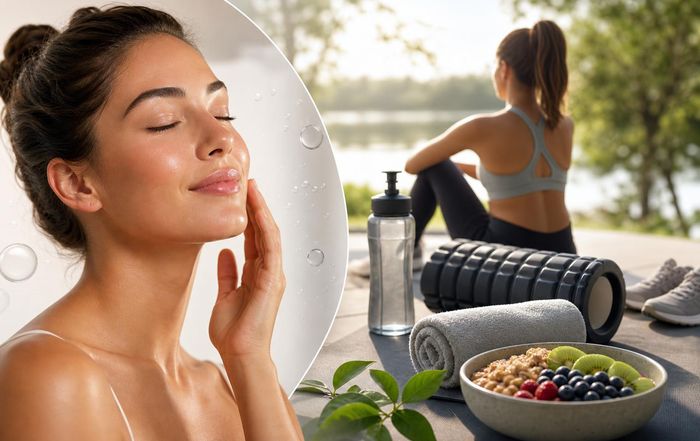
The Strategic Role of Fitness Recovery in Skin Wellness in 2026
Fitness Recovery as a Core Pillar of Modern Skin Health
By 2026, the global beauty and wellness landscape has evolved beyond superficial treatments and quick fixes, moving decisively toward an integrated understanding of how movement, rest, nutrition and emotional balance shape the skin. For the audience of BeautyTipa and its global community spanning North America, Europe, Asia-Pacific, the Middle East and Africa, one insight has become increasingly clear: fitness is not only about performance or aesthetics, and skincare is not only about topical products. The critical bridge between the two is recovery, a strategic yet often underestimated pillar that directly influences skin quality, resilience and long-term youthfulness.
As leading institutions such as the World Health Organization and organizations like the American College of Sports Medicine continue to highlight the importance of adequate rest, stress management and holistic health, the connection between exercise recovery and the skin's barrier, inflammation levels and regenerative capacity is becoming central to how brands, professionals and consumers think about beauty. For BeautyTipa, which has always emphasized the intersection of beauty, wellness and science-backed routines, this shift reinforces a core editorial belief: beautiful skin is not created in isolation but is the visible outcome of deeper systemic balance.
Learn more about the science of exercise and health at Harvard Health Publishing.
How Exercise Shapes the Skin - And Why Recovery Decides the Outcome
Regular physical activity supports circulation, boosts mood-regulating neurotransmitters and helps regulate hormones, all of which can positively affect skin tone, radiance and texture. Increased blood flow delivers oxygen and nutrients to the dermis, supports collagen synthesis and assists in the removal of metabolic waste products that, if accumulated, may contribute to dullness and congestion. Research from organizations such as the Mayo Clinic and the National Institutes of Health has pointed to the systemic benefits of exercise, which indirectly support skin function by stabilizing blood sugar, improving cardiovascular health and moderating chronic inflammation.
However, the same physiological processes that make exercise beneficial can, when pushed without sufficient recovery, become counterproductive for the skin. Excessive training, inadequate sleep, chronic stress and poor post-workout care can elevate cortisol, increase oxidative stress and compromise the skin barrier. This can manifest as breakouts, dehydration, heightened sensitivity, redness and premature signs of aging. In this context, recovery is not a luxury but a decisive factor that determines whether a fitness routine enhances or undermines skin wellness.
Readers seeking to better understand how lifestyle influences skin can explore the dedicated skincare and routines sections of BeautyTipa, where the interplay between internal health and external appearance is examined from multiple angles.
For further background on exercise physiology, visit American College of Sports Medicine.
The Biology of Recovery: Inflammation, Hormones and the Skin Barrier
When individuals train, especially through high-intensity interval sessions, endurance runs, resistance training or competitive sports, the body responds with micro-tears in muscle fibers, increased metabolic activity and a transient inflammatory response. During recovery, these micro-injuries are repaired, tissues adapt and the body becomes stronger and more efficient. This adaptive cycle is governed by hormones such as growth hormone, testosterone, cortisol and insulin-like growth factor, as well as by inflammatory mediators and antioxidant defenses.
From a dermatological perspective, this same cycle influences the skin barrier, collagen and elastin networks, capillary function and the skin's microbiome. If recovery is adequate, inflammation returns to baseline, antioxidant defenses are replenished and the skin can maintain its integrity and glow. If recovery is insufficient, low-grade systemic inflammation can persist, cortisol levels may remain chronically elevated and free radical damage can accumulate, accelerating the breakdown of collagen and elastin and impairing barrier function. This can result in increased transepidermal water loss, dryness, flare-ups of conditions such as acne, rosacea and eczema and a heightened susceptibility to environmental aggressors such as pollution and UV radiation.
Organizations such as the British Association of Dermatologists and American Academy of Dermatology have increasingly highlighted the role of lifestyle factors, including stress, sleep and exercise, in managing chronic skin conditions. Learn more about how inflammation impacts skin health via Cleveland Clinic.
For BeautyTipa readers, this means that fitness recovery is not simply about reducing soreness; it is a strategic opportunity to support the skin's natural repair processes, optimize barrier function and align exercise habits with long-term skin goals.
Sleep: The Non-Negotiable Recovery Tool for Skin Wellness
Among all recovery modalities, sleep remains the most powerful and cost-effective for both overall health and skin wellness. During deep sleep stages, growth hormone surges, cellular repair accelerates and the skin's regenerative processes intensify. The nocturnal repair window is when DNA damage from UV exposure is addressed, collagen production is supported and the skin barrier is restored. Inadequate or poor-quality sleep interferes with these processes, leading to dullness, under-eye circles, increased fine lines and a greater tendency toward inflammation and breakouts.
The National Sleep Foundation and NHS in the United Kingdom continue to recommend seven to nine hours of quality sleep for most adults, emphasizing consistent sleep-wake schedules, reduced blue light exposure before bed and supportive sleep environments. For physically active individuals, particularly those engaging in intense training in markets such as the United States, Germany, South Korea and Australia, the need for restorative sleep is even greater, as the cumulative stress on the body and skin is higher.
Readers can deepen their understanding of sleep hygiene and its impact on appearance through wellness-focused guidance on BeautyTipa, complementing this with evidence-based information from National Sleep Foundation or NHS.
Post-Workout Skincare: Turning Recovery into a Competitive Advantage
In 2026, post-workout skincare has become a distinct category within the broader beauty industry, with brands across North America, Europe and Asia developing targeted solutions for gym-goers, runners, cyclists and yoga practitioners. The rationale is clear: the period immediately after exercise is a critical window when sweat, heat, friction and increased sebum can interact with environmental pollutants, bacteria and occlusive clothing or equipment, creating a perfect storm for irritation and congestion if not managed correctly.
A strategic post-workout skincare routine begins with gentle yet effective cleansing to remove sweat, sunscreen, pollution particles and potential pore-clogging impurities without stripping the skin. This is followed by hydration to replenish water loss, and, when appropriate, soothing or barrier-supporting ingredients such as ceramides, niacinamide, panthenol and aloe vera. For individuals training outdoors in markets like Spain, Italy, Brazil, South Africa and Australia, diligent reapplication of broad-spectrum sunscreen after showering remains essential to protect against UV damage, which is a primary driver of premature aging and hyperpigmentation.
The skincare section of BeautyTipa regularly explores such routines, while the brands and products hub highlights innovations from global and indie labels responding to the needs of active consumers. For a deeper understanding of sun protection and photoaging, readers may consult resources provided by Skin Cancer Foundation or explore educational material from American Academy of Dermatology.
Learn more about evidence-based sun protection strategies at Skin Cancer Foundation.
Nutrition, Hydration and the Skin's Recovery Matrix
Fitness recovery is inseparable from nutrition and hydration, both of which have direct implications for skin health. Adequate protein intake supports muscle repair and, indirectly, collagen synthesis, while balanced carbohydrates and healthy fats assist in replenishing glycogen stores, regulating hormones and maintaining cell membrane integrity. Micronutrients such as vitamin C, vitamin E, zinc, selenium and omega-3 fatty acids play crucial roles in antioxidant defense, inflammation modulation and barrier function.
For skin, this means that a recovery-oriented diet rich in colorful fruits and vegetables, whole grains, lean proteins, oily fish, nuts, seeds and sufficient fluids can create an internal environment conducive to clarity, elasticity and an even tone. In contrast, diets high in ultra-processed foods, refined sugars and trans fats may exacerbate inflammation, aggravate acne-prone or sensitive skin and slow recovery from both workouts and environmental stressors.
Organizations such as the Academy of Nutrition and Dietetics and European Food Safety Authority provide guidelines on balanced nutrition that can be adapted to different cultural contexts, from the Mediterranean patterns common in Italy, Spain and France to the plant-forward approaches gaining traction in Germany, the Netherlands and Scandinavian countries. BeautyTipa complements these frameworks with practical perspectives in its food and nutrition and health and fitness sections, translating scientific principles into real-world strategies that support both performance and complexion.
Readers can explore foundational nutrition science at Academy of Nutrition and Dietetics.
Stress, Cortisol and the Psychodermatology of Recovery
Beyond physical fatigue, fitness recovery must address psychological stress, which is intricately linked to skin health. High-pressure work environments in cities such as New York, London, Frankfurt, Singapore and Tokyo, combined with ambitious training schedules, can keep the nervous system in a heightened state of arousal, elevating cortisol and adrenaline. Chronic stress has been associated with flare-ups of acne, psoriasis, eczema and urticaria, as well as with delayed wound healing and increased skin sensitivity.
The emerging field of psychodermatology, supported by research from institutions like King's College London and Massachusetts General Hospital, underscores that the brain-skin axis is bidirectional: emotional distress can worsen skin conditions, and visible skin issues can in turn intensify anxiety and low self-esteem. Effective recovery therefore includes not only physical rest but also stress management techniques such as breathwork, meditation, yoga, nature exposure and digital detox routines.
BeautyTipa frequently explores these dimensions within its wellness and guides and tips content, recognizing that a calm nervous system is a powerful, though often invisible, skincare ally. Those interested in scientific perspectives on the mind-skin connection can review information from American Psychological Association and dermatology-focused organizations.
Learn more about the impact of stress on the body through American Psychological Association.
Technology, Wearables and Data-Driven Recovery for Better Skin
By 2026, technology has transformed how individuals monitor and optimize recovery. Wearables from companies such as Apple, Garmin, WHOOP and Fitbit, along with platforms developed by Samsung and Huawei, now track heart rate variability, sleep stages, training load and even skin temperature, offering detailed insights into how well the body is recovering between sessions. These devices are widely adopted in fitness-conscious populations in the United States, Canada, the United Kingdom, Germany, the Nordic region, South Korea, Japan and Singapore, and are increasingly accessible in emerging markets across South America, Africa and Southeast Asia.
For skin wellness, this data can be strategically leveraged. When metrics indicate poor sleep quality, elevated resting heart rate or reduced heart rate variability, users can adjust training intensity, prioritize restorative practices and adapt skincare routines to be more barrier-supportive and soothing. Some beauty-tech collaborations now integrate environmental data, such as pollution levels and UV index, to guide users on when to emphasize antioxidant serums, when to reapply sunscreen and when to focus on calming formulations.
The technology and beauty section of BeautyTipa follows these developments closely, analyzing how artificial intelligence, connected devices and personalized algorithms are reshaping recovery strategies and skin management. For readers interested in digital health trends, resources from World Economic Forum and World Health Organization provide broader context on how technology is redefining global health and wellness ecosystems.
Explore global digital health perspectives at World Economic Forum.
Business, Brands and the Recovery-Skincare Opportunity
The convergence of fitness recovery and skin wellness presents a significant strategic opportunity for brands, investors and professionals operating in the beauty, wellness and sports industries. In key markets such as the United States, United Kingdom, Germany, France, Italy, Spain, Canada, Australia, Japan and South Korea, consumers increasingly seek integrated solutions that align with their active lifestyles, environmental values and desire for scientifically credible products.
Brands that position themselves at the intersection of performance and dermatology-offering formulations tested under sweat, heat and friction conditions, as well as education on post-workout routines-are building strong loyalty among runners, cyclists, gym enthusiasts and yoga communities. Partnerships between skincare brands and fitness studios, sportswear labels or digital fitness platforms have become more common, enabling cross-category storytelling and bundled offerings that address both performance and appearance.
BeautyTipa, through its business and finance coverage, tracks how venture capital, private equity and strategic corporate investors are backing companies that integrate recovery science, sports dermatology, active beauty formulations and data-driven personalization. Learn more about sustainable business practices and market dynamics via McKinsey & Company and Deloitte, which regularly publish analyses on global beauty and wellness trends.
Careers and Professional Opportunities in Recovery-Focused Skin Wellness
As the importance of recovery in skin wellness becomes more widely recognized, new career paths and professional niches are emerging across continents. Dermatologists, sports physicians, physiotherapists, estheticians, cosmetic chemists, fitness trainers, nutritionists and mental health professionals are increasingly collaborating to design integrated programs for athletes, corporate professionals and wellness-focused consumers. This multidisciplinary approach is visible in major hubs such as New York, Los Angeles, London, Berlin, Paris, Milan, Tokyo, Seoul, Singapore and Sydney, and is beginning to influence practices in rapidly growing markets such as Brazil, South Africa, Malaysia and Thailand.
For professionals and job seekers, this evolution creates opportunities in product development for active beauty lines, clinical research on exercise-induced skin changes, content creation focused on recovery strategies, wellness coaching, spa and gym partnerships and technology startups that merge biometric data with personalized skincare recommendations. The jobs and employment section of BeautyTipa reflects this shift, highlighting roles that require both scientific literacy and an understanding of global consumer behavior.
Those interested in upskilling in sports science, dermatology or cosmetic science can explore educational pathways through institutions highlighted by Coursera, edX and professional bodies such as the International Dermoscopy Society and sports medicine associations.
Cultural and Regional Perspectives on Recovery and Skin
While the principles of recovery are universal, cultural interpretations and practices differ across regions. In East Asia, particularly in South Korea and Japan, the concept of skin as a reflection of internal balance is deeply rooted, leading to sophisticated routines that integrate gentle movement, thermal therapies, fermented ingredients and multi-step skincare. In Scandinavia, traditions of sauna bathing, cold exposure and outdoor activity combine with minimalist skincare philosophies focused on barrier health and simplicity. In Mediterranean countries such as Italy, Spain and Greece, diet, social connection and sun exposure are central lifestyle factors that intersect with recovery and skin wellness.
In North America and the United Kingdom, the rise of boutique fitness, recovery lounges, infrared saunas, cryotherapy and biohacking communities has created a culture where performance optimization and longevity are highly valued, and where skin is increasingly seen as a biomarker of systemic health. In emerging markets across Africa, South America and Southeast Asia, there is a growing interest in integrating local botanicals, traditional healing modalities and climate-adapted skincare with modern sports science and digital tools.
BeautyTipa, through its international and trends coverage, reflects this diversity, recognizing that effective recovery strategies must be tailored not only to individual physiology and goals but also to climate, cultural values, access to resources and local beauty ideals. For cross-cultural health perspectives, readers can explore insights from OECD Health and World Bank.
Integrating Recovery, Fitness and Skincare into Daily Life
For the global audience of BeautyTipa, the role of fitness recovery in skin wellness is not an abstract theory but a practical framework for daily decisions. It influences how individuals schedule workouts, choose skincare products, design evening routines, select foods, manage stress and evaluate new technologies or services. The most effective strategies are often simple yet consistent: respecting rest days, protecting sleep, hydrating well, nourishing the body with whole foods, adopting gentle yet thorough cleansing habits, supporting the skin barrier, managing stress intentionally and using technology as a guide rather than a source of pressure.
The future of beauty is moving toward integrated, evidence-based and highly personalized approaches that see the skin as a responsive, dynamic organ connected to every aspect of lifestyle. Recovery is the quiet force that allows exercise to be a friend rather than a foe to the complexion, transforming effort into resilience, radiance and long-term health. As the industry continues to innovate and as consumers in the United States, United Kingdom, Germany, Canada, Australia, France, Italy, Spain, Netherlands, Switzerland, China, Sweden, Norway, Singapore, Denmark, South Korea, Japan, Thailand, Finland, South Africa, Brazil, Malaysia and New Zealand become more discerning, the brands, professionals and platforms that succeed will be those that respect this connection and empower individuals to act on it.
At BeautyTipa, the commitment is to continue exploring this intersection with depth and clarity, bringing together insights from dermatology, sports science, psychology, nutrition, technology and business. Readers can navigate from the homepage of BeautyTipa to specialized sections such as skincare, health and fitness, technology and beauty and guides and tips to build a personal, recovery-focused approach that honors both performance and skin wellness in the years ahead.
