
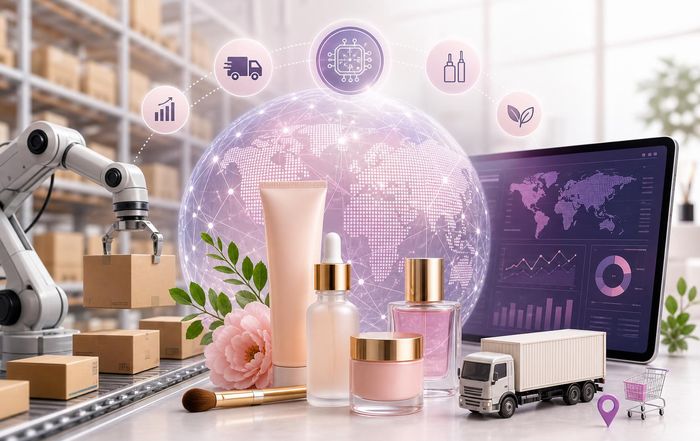
Technology Trends Improving Beauty Supply Chains
The New Beauty Supply Chain Reality
Ok the global beauty industry has become one of the most technologically dynamic consumer sectors, and nowhere is this transformation more visible than in the supply chains that quietly power every serum, lipstick and wellness supplement reaching consumers from New York to Seoul and from London to São Paulo. For BeautyTipa and its community of professionals, founders, investors and informed consumers, understanding how technology is reshaping beauty supply chains is no longer a niche interest; it is a strategic necessity that influences product availability, pricing, sustainability, transparency and even the credibility of brands in an increasingly discerning marketplace.
The beauty sector, which according to McKinsey & Company is projected to continue outpacing broader consumer goods growth, has had to adapt to a world of volatile demand, geopolitical disruptions, regulatory evolution and heightened expectations around sustainability and ethical sourcing. Learn more about how global beauty is evolving through the latest analysis from McKinsey on the beauty industry. In this environment, supply chains are no longer back-office functions; they are strategic assets, visible to consumers and investors, and profoundly intertwined with brand reputation and long-term enterprise value.
For BeautyTipa, which explores the intersection of beauty, wellness and business, supply chain innovation is not an abstract concept but a practical lens for evaluating brands, products and trends across categories such as beauty, skincare, wellness and brands and products. The companies that are winning in 2026 are those that have embraced digitalization, data-driven decision-making and cross-border visibility, while also embedding principles of responsibility and trust at each node of their supply networks.
Digital Twins, AI and Predictive Planning
One of the most significant technology trends improving beauty supply chains is the widespread adoption of digital twins and advanced artificial intelligence for planning and forecasting. A digital twin is a virtual replica of the physical supply chain that allows companies to simulate scenarios, test assumptions and anticipate disruptions before they occur. In the beauty sector, where product lifecycles are short and trend sensitivity is high, this capability has become indispensable.
Global leaders such as L'Oréal and Estée Lauder Companies have invested heavily in end-to-end planning platforms that integrate historical sales data, real-time e-commerce signals and external variables such as macroeconomic indicators and weather patterns. These platforms leverage machine learning models similar to those described by Gartner in its research on supply chain planning technologies, allowing beauty brands to move from reactive replenishment to proactive orchestration. Learn more about how AI is transforming supply chain planning through Gartner's insights on AI in supply chain.
For beauty and skincare brands selling across multiple regions, from the United States and Canada to Germany, France, the United Kingdom and Japan, AI-enabled demand sensing has become a critical advantage. By analyzing social media trends, search queries and influencer activity, algorithms can detect emerging interest in ingredients such as niacinamide, bakuchiol or microbiome-supporting actives weeks before traditional sales data would reveal the shift. This allows supply chain teams to adjust raw material procurement, manufacturing schedules and distribution plans to avoid both stockouts and costly overproduction.
For the BeautyTipa audience, this shift translates into more reliable product availability, shorter lead times for new launches and better alignment between consumer expectations and on-shelf offerings. It also means that professionals working in supply chain, data science and category management within beauty companies must cultivate deeper expertise in analytics, scenario modeling and cross-functional collaboration, aligning with the careers focus explored in jobs and employment.
End-to-End Visibility Through Cloud Platforms
Cloud-based supply chain platforms have moved from experimental pilots to standard infrastructure for beauty brands operating at scale. These platforms unify data from contract manufacturers, ingredient suppliers, packaging vendors, logistics partners and retail channels into a single, real-time view. In an industry where contract manufacturing is prevalent and many brands rely on third-party logistics providers, this visibility is vital for managing complexity.
Technology providers such as SAP, Oracle and Microsoft have expanded their cloud supply chain suites to address the specific needs of consumer and beauty companies, integrating inventory management, transportation planning and order orchestration. Learn more about modern supply chain management platforms through SAP's supply chain solutions overview. By 2026, mid-sized and even emerging beauty brands have gained access to similar capabilities through software-as-a-service offerings, leveling the playing field and allowing agile digital-native brands to operate with the sophistication once reserved for multinational corporations.
This end-to-end visibility is particularly important for brands selling across continents, from Europe and North America to Asia-Pacific and Latin America, where customs delays, regulatory checks and local distribution constraints can rapidly impact service levels. A cloud-based control tower can alert supply chain managers when a shipment of Korean skincare products bound for the United Kingdom encounters a bottleneck, enabling quick rerouting or inventory reallocation to e-commerce channels.
For readers of BeautyTipa, especially those interested in the business and financial aspects of the industry, this trend highlights how operational excellence and technology investment directly influence profitability, cash flow and working capital. Deeper analysis of these dynamics can be found in the platform's coverage of business and finance, where supply chain resilience increasingly features as a core driver of enterprise valuation.
Blockchain, Traceability and Ingredient Transparency
As consumers in markets from the United States and Canada to Germany, Sweden, Japan and South Korea demand greater transparency about what goes into their products and how those products are made, traceability has become a defining capability for beauty supply chains. Blockchain and distributed ledger technologies have moved beyond hype to practical applications that document ingredient origins, manufacturing steps and quality controls.
Organizations such as the World Economic Forum have highlighted blockchain's potential to enhance traceability and trust across global value chains. Learn more about this evolving landscape in the World Economic Forum's work on blockchain and supply chains. In the beauty sector, several leading brands now provide QR codes on packaging that allow consumers to access verified information about the sourcing of key ingredients, such as shea butter from West Africa, argan oil from Morocco or tea tree oil from Australia.
This level of transparency is particularly relevant to clean beauty, vegan formulations and products marketed as sustainable or ethically sourced. It enables brands to substantiate claims about cruelty-free testing, fair trade practices and environmental stewardship, aligning with evolving regulations in the European Union and other jurisdictions. Regulatory bodies such as the European Commission and agencies like the U.S. Food and Drug Administration continue to refine guidelines on cosmetic labeling, safety and claims, increasing the importance of accurate, auditable supply chain data. Learn more about cosmetics regulation from the European Commission's cosmetics portal and the FDA's cosmetics resources.
For BeautyTipa, which regularly explores ingredient education and consumer guidance in areas such as guides and tips and skincare, traceability technologies provide a richer foundation for responsible recommendations. They also empower professionals in product development, quality assurance and regulatory affairs to build brands that are not only trend-forward but also deeply grounded in evidence, compliance and trust.
Automation, Robotics and Smart Manufacturing
Beauty manufacturing has historically blended artisanal formulation with industrial-scale production, but by 2026, automation and robotics have become central to improving efficiency, quality and flexibility in factories across North America, Europe and Asia. From robotic arms handling delicate glass bottles to automated mixing systems that ensure precise ingredient dosing, smart manufacturing is redefining how beauty products are made.
Industrial technology leaders such as Siemens and ABB have helped enable highly automated production lines that can switch between product variants with minimal downtime, a critical capability in a category characterized by frequent launches and limited-edition collections. Learn more about smart manufacturing innovations through Siemens' digital industries overview. These systems are often connected to manufacturing execution systems and quality control platforms that monitor variables such as temperature, viscosity and fill volumes in real time, reducing waste and improving consistency.
Automation is not limited to large conglomerates. Contract manufacturers serving indie and mid-sized beauty brands have also adopted robotics and advanced packaging lines, allowing them to meet shorter lead times and smaller batch sizes while maintaining competitive pricing. In markets such as South Korea and Japan, where beauty innovation moves at exceptional speed, this flexibility is essential for launching and scaling new concepts before consumer attention shifts.
For the BeautyTipa audience, especially those tracking technology in beauty and trends, the rise of smart factories underscores how technological sophistication behind the scenes directly affects the creativity and diversity visible on shelves and digital storefronts. It also raises important workforce questions, as automation changes the skills required in manufacturing roles, from manual line operation to programming, maintenance and data-driven process optimization.
Data-Driven Logistics and Last-Mile Optimization
The surge of e-commerce and direct-to-consumer beauty brands has fundamentally altered logistics expectations. Consumers in the United States, the United Kingdom, Germany, France, Italy, Spain, Canada, Australia and beyond now expect fast, reliable and often low-cost delivery, along with flexible options such as buy-online-pickup-in-store and convenient returns. To meet these demands, beauty supply chains have embraced data-driven logistics and advanced last-mile optimization technologies.
Logistics giants such as DHL, UPS and FedEx have invested in route optimization algorithms, real-time tracking and predictive delivery windows, while regional specialists in Asia, Europe and Latin America have deployed similar capabilities to support cross-border beauty shipments. Learn more about modern logistics innovation through DHL's logistics trends insights. Beauty brands and retailers integrate these capabilities into their customer-facing interfaces, providing transparency on delivery status and enabling proactive communication when disruptions occur.
In urban centers from London and Paris to Singapore, Seoul and New York, micro-fulfillment centers and dark stores have emerged as part of the beauty logistics ecosystem, allowing same-day or next-day delivery of popular products. These facilities rely on sophisticated inventory management systems that dynamically allocate stock based on local demand patterns, promotional calendars and seasonal variations. For example, sun care products may be prioritized for rapid fulfillment in Australia and Brazil during peak summer months, while hydrating skincare and barrier-repair products see surges in Nordic countries during winter.
For BeautyTipa, which covers evolving consumer expectations across beauty, makeup and fashion, the logistics revolution underscores a broader shift toward convenience, personalization and reliability. It also highlights the importance of integrating marketing, merchandising and supply chain strategies to ensure that promotional campaigns are supported by the capacity to deliver, thereby protecting both customer satisfaction and brand equity.
Sustainability, Circularity and Responsible Sourcing
Sustainability has moved from a marketing slogan to an operational imperative, and technology is at the heart of how beauty supply chains address environmental and social impact. From carbon accounting platforms to advanced life cycle assessment tools, companies now have more sophisticated means of measuring and reducing the footprint of their products and operations.
Leading organizations such as the Ellen MacArthur Foundation have championed circular economy principles, encouraging industries including beauty to design out waste, keep materials in use and regenerate natural systems. Learn more about circularity and its implications for consumer goods through the Ellen MacArthur Foundation's circular economy resources. In practice, this has driven technology investments in recyclable and refillable packaging, reverse logistics for empty containers, and materials innovation that enables compostable or bio-based alternatives to traditional plastics.
Supply chain mapping tools, often combined with satellite imagery and geospatial analytics, help beauty companies assess deforestation risks, water stress and labor conditions in their ingredient supply chains. This is particularly relevant for raw materials sourced from biodiversity-rich regions in Africa, South America and Southeast Asia. International initiatives supported by organizations such as the United Nations Environment Programme provide frameworks and best practices for sustainable procurement. Learn more about global sustainability efforts at the UN Environment Programme website.
For BeautyTipa, which addresses adjacent themes across health and fitness, food and nutrition and wellness, the integration of sustainability into supply chain design reinforces a holistic view of beauty that encompasses planetary health, social equity and long-term resilience. Readers evaluating brands in 2026 increasingly consider not only ingredient lists and performance claims but also the environmental and ethical integrity of the journeys their products have taken.
Regulatory Technology and Global Compliance
As beauty brands expand across regions with diverse regulatory frameworks, from the European Union and the United Kingdom to the United States, China, Japan, South Korea, Brazil and South Africa, regulatory technology has become a critical enabler of compliant, efficient supply chains. Keeping track of ingredient restrictions, labeling requirements, safety assessments and documentation obligations across multiple jurisdictions is a complex task that manual methods can no longer adequately support.
Regulatory intelligence platforms and compliance management systems now leverage natural language processing and machine learning to monitor changes in legislation, guidance and standards across hundreds of markets. Organizations such as the International Organization for Standardization (ISO) provide reference frameworks for quality and safety management in cosmetics manufacturing, and technology vendors build these standards into their solutions. Learn more about relevant standards at the ISO website.
For companies distributing products across Europe, Asia-Pacific, North America and emerging markets, these tools help ensure that formulations, packaging and claims remain compliant as regulations evolve, thereby reducing the risk of recalls, border detentions and reputational damage. They also facilitate smoother collaboration between R&D, regulatory affairs, legal and supply chain teams, who must align early in the product development process to avoid costly reformulations or relabeling downstream.
The BeautyTipa community, particularly those engaged in international expansion and cross-border e-commerce, can benefit from a deeper understanding of how regulatory technology underpins global growth strategies. Coverage in international and business and finance increasingly highlights how proactive compliance and digital documentation are not merely defensive measures but enablers of faster market entry and more agile portfolio management.
Talent, Skills and the Future Beauty Supply Chain Workforce
Technology trends improving beauty supply chains are also reshaping the competencies required of the people who design, operate and optimize these networks. Supply chain roles that once focused primarily on procurement negotiations, production scheduling and logistics coordination now demand fluency in data analytics, digital tools and cross-functional collaboration. This shift has implications for hiring, training and career development across markets from the United States and Canada to Germany, the Netherlands, Singapore and New Zealand.
Universities and professional organizations are responding by expanding curricula and certification programs in areas such as digital supply chain management, sustainability and advanced analytics. Institutions like the MIT Center for Transportation & Logistics and the Council of Supply Chain Management Professionals provide education and thought leadership that increasingly incorporates case studies from beauty and personal care. Learn more about evolving supply chain education from the MIT CTL website and the CSCMP.
For individuals building careers in beauty operations, roles are emerging at the intersection of technology and traditional functions: supply chain data scientist, sustainability program manager, digital logistics strategist and traceability lead, among others. These positions require not only technical proficiency but also deep understanding of consumer expectations in categories such as routines, skincare and trends. The BeautyTipa platform, through its focus on jobs and employment, is well positioned to help professionals navigate this evolving landscape, highlighting the skills and experiences that will be most valued in the supply chains of 2026 and beyond.
Strategic Implications for Brands, Retailers and Investors
For beauty brands, retailers and investors, the convergence of these technology trends carries profound strategic implications. Supply chain capabilities are increasingly central to brand positioning, customer experience and financial performance, influencing everything from new product launch success rates to gross margins and inventory turns. Investors evaluating beauty companies, whether established conglomerates or fast-growing indie brands, now routinely assess digital supply chain maturity as part of due diligence, recognizing that resilience and agility can materially impact valuation.
Retailers, both brick-and-mortar and digital marketplaces, are also recalibrating their expectations of supplier performance. On-time and in-full delivery, data sharing, sustainability metrics and responsiveness to demand signals have become key criteria in vendor selection and joint business planning. Platforms such as Amazon, Sephora and Douglas increasingly leverage their own data and technology to collaborate with brand partners on inventory planning, promotions and assortment optimization. Learn more about how modern retail supply chains operate through Amazon's sustainability and supply chain insights and Sephora's corporate responsibility resources.
For the BeautyTipa member readership, which spans entrepreneurs, corporate leaders, supply chain professionals and informed consumers, these dynamics underscore the importance of integrating supply chain thinking into brand strategy, product design, marketing and corporate governance. Those who understand the interplay between technology, operations and consumer value will be better positioned to make informed decisions, whether launching a new brand, partnering with a manufacturer, investing in a company or simply choosing which products to support.
Learning About The Connected, Intelligent Beauty Supply Chain
Beauty supply chains are on a clear trajectory toward becoming more connected, intelligent and responsible. Digital twins, AI-driven forecasting, cloud-based visibility platforms, blockchain-enabled traceability, smart manufacturing, advanced logistics, sustainability analytics and regulatory technology are no longer isolated initiatives; they are components of an integrated ecosystem that touches every stage from ingredient sourcing to consumer delivery.
For BeautyTipa, this transformation offers a rich field of exploration and insight, connecting core editorial themes across beauty, technology in beauty, business and finance and guides and tips. As the platform continues to serve audiences in the United States, the United Kingdom, Germany, Canada, Australia, France, Italy, Spain, South Africa, Brazil, Malaysia, New Zealand and beyond, it will play an increasingly important role in decoding how supply chain technology shapes not only the products people use but also the values and experiences that define modern beauty.
In this evolving landscape, the most successful organizations will be those that blend technological sophistication with human insight, operational rigor with creative agility and global reach with local relevance. By embracing these technology trends and understanding their implications, the beauty industry can build supply chains that are not only more efficient and resilient, but also more transparent, ethical and aligned with the holistic vision of beauty that BeautyTipa champions across its global community.
