
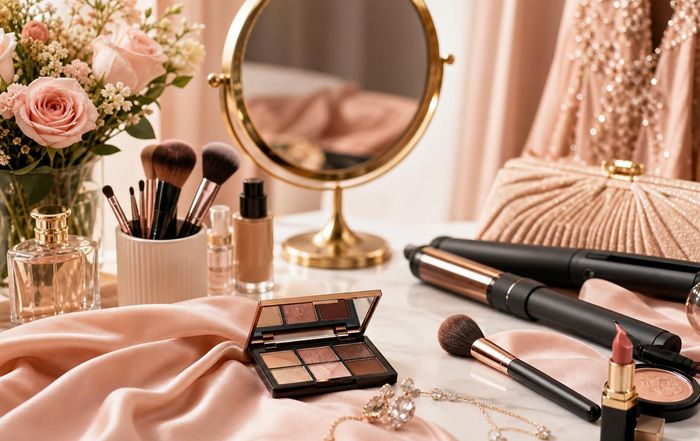
The Guide to Preparing for Major Beauty Events
Why Major Beauty Events Matter More Than Ever
Major beauty events have evolved into powerful global stages where brands, professionals, creators, and consumers converge to shape what the industry will look like in the years ahead. From international trade shows such as Cosmoprof Worldwide Bologna and Beautyworld Middle East, to influential consumer-facing gatherings like Sephoria by Sephora and the Beautycon festivals, these events no longer function simply as product showcases; they are strategic hubs for innovation, investment, recruitment, education, and cultural exchange. For the super glam people on BeautyTipa and for the businesses, professionals, and enthusiasts who rely on it as a trusted guide, understanding how to prepare for these events is now a critical component of long-term success in beauty and wellness.
The beauty sector, tracked by organizations such as McKinsey & Company, continues to outperform many consumer categories, with strong growth across skincare, fragrance, color cosmetics, and wellness-adjacent products. Globalization, digital commerce, and social media have ensured that trends originating in Seoul, Los Angeles, London, or Paris can reach Berlin, Toronto, Sydney, Singapore, and São Paulo in days rather than months. Major events are the points where these currents intersect, where decision-makers from the United States, United Kingdom, Germany, Canada, Australia, France, Italy, Spain, the Netherlands, Switzerland, China, Sweden, Norway, Singapore, Denmark, South Korea, Japan, Thailand, Finland, South Africa, Brazil, Malaysia, New Zealand and beyond meet to negotiate the future of beauty. For readers exploring the wider ecosystem of beauty and wellness on BeautyTipa, including sections such as beauty, skincare, wellness, and trends, preparation for these events is no longer optional; it is a strategic necessity.
Mapping the Global Beauty Event Landscape
The first step in preparing for major beauty events is to understand the structure of the global calendar and the different types of gatherings that exist. International trade fairs, such as Cosmoprof Worldwide Bologna in Italy and Cosmoprof North America in the United States, remain the cornerstone for B2B networking, distribution deals, and product launches, drawing exhibitors and visitors from Europe, Asia, North America, South America, Africa, and the Middle East. Industry observers often consult resources like the Cosmoprof official site and the Informa Markets portfolio of beauty shows to track dates, themes, and exhibitor lists, as these platforms provide early indicators of where investment and innovation are flowing.
Alongside trade fairs, there is a growing ecosystem of hybrid and consumer-centric events. Festivals such as Beautycon, Sephoria, and region-specific gatherings in cities like London, New York, Los Angeles, Paris, Berlin, Seoul, Tokyo, and Shanghai blend education, entertainment, product discovery, and community building. Professional congresses, like those supported by the American Academy of Dermatology or the European Academy of Dermatology and Venereology, focus more on clinical skincare, dermatological science, and regulatory developments, and they increasingly intersect with the commercial side of beauty as cosmeceuticals and medical-grade skincare gain traction. To frame a personal roadmap, readers can explore how this diversity of events connects with their own interests through BeautyTipa's coverage of events, brands and products, and guides and tips.
Defining Objectives: Why Are You Attending?
Preparation begins with clarity of purpose. A brand founder from London may attend Cosmoprof to secure distribution in Germany or the United States, whereas a content creator from Singapore might focus on discovering niche Korean or Japanese brands, and a retailer from Brazil could be seeking clean, sustainable lines to import. Without clearly defined objectives, the sheer scale of global beauty events can be overwhelming, resulting in missed opportunities and unfocused conversations.
Industry best practices, often highlighted by organizations such as the Harvard Business Review and the Chartered Institute of Marketing, emphasize the importance of setting measurable goals before any major trade or consumer event. For a brand, this might mean targeting a specific number of qualified distributor meetings, press introductions, or retailer pitches. For a professional makeup artist or esthetician, the objectives may revolve around advanced education, certification, or networking with leading educators and product developers. Professionals can refine these goals by aligning them with their broader business strategies, referring to resources like business and finance on BeautyTipa, where the financial and strategic dimensions of event participation are explored in more depth.
Researching Events with an E.E.A.T.-Driven Mindset
Experience, expertise, authoritativeness, and trustworthiness are not only essential qualities in content; they are also critical filters for evaluating which beauty events deserve attention and investment. With a growing number of conferences, festivals, and expos launching across Europe, Asia, North America, Africa, and South America, the ability to distinguish between established, reputable gatherings and less credible offerings is vital for both brands and professionals.
To assess event quality, industry participants increasingly turn to authoritative sources. Platforms like WWD (Women's Wear Daily) and Business of Fashion provide in-depth coverage of major events, including analyses of attendance figures, keynote speakers, and commercial outcomes, which can help attendees gauge the strategic importance of each show. Regulatory and standards bodies, such as the European Commission for EU cosmetics regulation or the U.S. Food and Drug Administration, can also signal which events are taken seriously by policymakers and scientific communities, especially where safety, claims, and compliance are concerned. In parallel, community-driven feedback from professional associations, LinkedIn groups, and specialized forums adds experiential insight about the actual value of attending specific events. Readers can cross-check these external insights with BeautyTipa's curated coverage on technology in beauty and international perspectives via international, ensuring that their event choices are grounded in both data and lived experience.
Strategic Brand Positioning and Storytelling
For brands, major beauty events are more than a venue for displaying products; they are a stage for telling a coherent and credible story that resonates with diverse audiences across the United States, United Kingdom, Germany, France, Italy, Spain, the Netherlands, Canada, Australia, China, South Korea, Japan, and emerging markets from South Africa to Brazil. The most successful exhibitors arrive with a clearly articulated brand narrative that integrates product performance, scientific validation, sustainability, inclusivity, and cultural sensitivity, all underpinned by verifiable experience and expertise.
Authoritative organizations such as NielsenIQ and Mintel have documented how consumers increasingly demand transparency in ingredients, ethical sourcing, and environmental impact, especially in skincare, wellness, and clean beauty. Brands preparing for events must therefore craft messaging that is not only emotionally compelling but also supported by data, clinical studies, or third-party certifications, referencing frameworks developed by entities like the Environmental Working Group or Ecocert where relevant. For smaller or emerging brands, BeautyTipa's focus on brands and products and guides and tips can serve as a blueprint for building this narrative, demonstrating how to communicate efficacy and values in a way that builds trust among distributors, retailers, media, and end consumers.
Operational Planning: From Booth Design to Logistics
Once strategic goals and brand narratives are defined, operational planning becomes the backbone of successful event participation. Booth design, sampling strategy, staffing, inventory management, and logistics must be coordinated with precision, particularly for companies shipping products and materials across borders to Europe, Asia, or North America. Trade and customs regulations, including those overseen by authorities such as U.S. Customs and Border Protection or European customs agencies, can affect timelines and costs, making early planning indispensable.
Booth design should embody the brand's identity while facilitating efficient traffic flow, product discovery, and private conversations. Many exhibitors draw inspiration from retail design principles and experiential marketing case studies, as discussed by institutions like the Retail Design Institute or consultancies such as Deloitte, which highlight how immersive environments can increase dwell time and conversion. Sampling strategies must balance generosity with qualification, ensuring that high-potential buyers, journalists, and influencers receive tailored experiences rather than generic giveaways. On BeautyTipa, the routines and skincare sections often emphasize how product discovery and ritual formation occur in real life; brands can use similar thinking to design sampling that encourages attendees to imagine how new products will fit into their daily lives.
Harnessing Technology and Data Before, During, and After Events
In 2026, technology is integral to every phase of event preparation and participation. Digital platforms and apps provided by major show organizers allow attendees to pre-schedule meetings, map exhibitor locations, and receive real-time updates. Brands and professionals who leverage these tools systematically, rather than casually, tend to achieve better outcomes, as they arrive with pre-qualified meetings and a clear daily agenda. Event technology providers and trade associations, such as the International Association of Exhibitions and Events, regularly publish best practices on maximizing return on investment from digital tools, which can help participants refine their approach.
Data collection and analysis are equally important. Customer relationship management systems, marketing automation platforms, and analytics tools enable brands to capture leads, segment contacts, and track conversions long after the event doors close. Privacy regulations, including the EU General Data Protection Regulation (GDPR) and similar frameworks in the United Kingdom, Canada, and other jurisdictions, must be carefully observed, especially when scanning badges or collecting personal information. For readers interested in how technology is transforming beauty, BeautyTipa's technology beauty coverage provides context on the intersection of AI, personalization, and data-driven marketing, illustrating how these capabilities can be integrated into event strategies to create more relevant and ethical engagement.
Professional Development, Careers, and Talent Strategy
Major beauty events also serve as dynamic talent marketplaces, where brands, retailers, agencies, and technology companies scout for professionals across marketing, product development, regulatory affairs, dermatology, aesthetics, and digital content creation. The convergence of beauty and technology has opened new roles, from AI-powered skincare personalization specialists to sustainability officers focused on packaging and circularity, and these roles are frequently discussed and defined at leading conferences and fairs.
Organizations such as LinkedIn, global recruitment firms, and beauty-focused job platforms have documented the rise in demand for cross-disciplinary talent that can navigate both creative and analytical domains. For professionals, attending events with a clear career development plan can result in mentorships, job offers, or collaborative projects that would be difficult to secure through online networking alone. The jobs and employment section of BeautyTipa addresses how individuals can position themselves for these opportunities, emphasizing the importance of showcasing expertise, certifications, and demonstrable results when engaging with potential employers or partners at events.
Curating the Beauty and Wellness Experience as an Attendee
Not everyone attends major beauty events as an exhibitor or speaker; many arrive as buyers, creators, professionals, or passionate enthusiasts seeking inspiration, education, and personal transformation. For these attendees, preparation involves thoughtful curation of the experience to avoid burnout and information overload. Large events can span multiple days and venues, with overlapping sessions on skincare science, makeup artistry, wellness practices, sustainability, digital marketing, and international expansion, so careful planning is required to align sessions and exhibitor visits with personal priorities.
Trusted educational sources, such as the Mayo Clinic for dermatology and skin health or Cleveland Clinic for broader wellness and health topics, can help attendees distinguish between evidence-based claims and marketing hyperbole when evaluating new products or treatments. By arriving with a foundational understanding of ingredients, skin physiology, and wellness principles, attendees can ask more informed questions and make better decisions about what to adopt into their own routines. BeautyTipa supports this preparation by offering accessible yet rigorous coverage across wellness, health and fitness, and food and nutrition, enabling readers to view event discoveries in the context of holistic health rather than isolated trends.
Integrating Skincare, Makeup, Wellness, and Fashion Insights
One of the defining features of contemporary beauty events is the blurring of boundaries between skincare, makeup, wellness, fragrance, haircare, fitness, nutrition, and fashion. K-beauty innovations from South Korea influence routines in the United States and Europe; Japanese J-beauty philosophies shape minimalist skincare in the United Kingdom and Scandinavia; wellness rituals from Thailand or Brazil inspire spa concepts in Canada and Australia; and fashion trends from Paris, Milan, London, New York, and Tokyo dictate color palettes and textures in makeup collections worldwide. Effective preparation for major events requires an integrated lens that recognizes these interdependencies rather than treating each category in isolation.
Global trend forecasting agencies such as WGSN and Trend Union regularly highlight how macro themes like sustainability, mental well-being, digital identity, and gender fluidity manifest simultaneously in fashion, beauty, and lifestyle. Attendees who prepare by reviewing such forecasts can interpret what they see on event floors with greater sophistication, understanding not only what is new but why it matters and how long it is likely to endure. Within BeautyTipa, readers can move fluidly between makeup, fashion, and beauty coverage, building a coherent picture of how their personal or professional brand can evolve in line with global aesthetic and cultural shifts.
Financial Planning and Measuring Return on Investment
Participation in major beauty events entails significant financial commitments, from booth fees and travel expenses to sample production, marketing materials, and staff time. For businesses, especially small and medium-sized enterprises from markets such as the United Kingdom, Germany, Canada, Australia, Singapore, or South Africa, careful budgeting and ROI analysis are essential to ensure that these investments translate into tangible growth. Pre-event financial planning should include scenario modeling, taking into account best-case, expected, and worst-case outcomes for lead generation, order volumes, and partnership opportunities.
Financial and management consultancies, including PwC and KPMG, often publish sector reports that benchmark marketing and trade spend in consumer goods, providing useful context for what constitutes reasonable investment levels relative to company size and growth stage. Post-event, rigorous measurement is required, tracking not only immediate sales but also the longer-term impact on brand awareness, distribution reach, media coverage, and digital engagement. The business and finance section of BeautyTipa offers frameworks and insights that help founders and executives interpret these metrics, supporting more confident decisions about which events to prioritize in future years.
Sustainability, Ethics, and Global Responsibility
As climate change, resource scarcity, and social inequality remain pressing global concerns, major beauty events are under increasing scrutiny for their environmental and social impact. Attendees and exhibitors from Europe, North America, Asia, Africa, and South America are asking tougher questions about waste management, carbon footprints, inclusivity, and labor practices, and event organizers are responding with initiatives ranging from carbon offset programs to stricter guidelines on materials and packaging. Brands preparing for events must ensure that their sustainability claims are substantiated, as greenwashing can quickly erode trust among informed audiences.
Organizations such as the United Nations Environment Programme and the Ellen MacArthur Foundation provide frameworks for circular economy practices, packaging reduction, and responsible sourcing that can guide brand strategies and on-site communication. Ethical considerations also extend to representation and accessibility, ensuring that products, imagery, and messaging reflect diverse skin tones, hair types, body shapes, ages, genders, and cultural backgrounds across markets from the United States and United Kingdom to Nigeria, India, and Mexico. BeautyTipa's global outlook, reflected in its international coverage, encourages readers and brands alike to treat major beauty events as opportunities to champion more responsible, inclusive, and future-oriented industry practices.
Turning Event Insights into Long-Term Value
The true value of major beauty events is realized not during the days of the show but in the months and years that follow, when insights are implemented, relationships are nurtured, and experiments are launched. Effective post-event follow-up requires structured workflows: debrief meetings, lead prioritization, content creation from event learnings, and integration of new ideas into product development roadmaps, marketing strategies, and operational improvements. Brands and professionals who treat events as catalysts for ongoing innovation, rather than isolated spectacles, build competitive advantages that compound over time.
In this context, platforms like BeautyTipa play an important role as ongoing companions to the event experience. Readers can revisit themes encountered at trade fairs or festivals by exploring deep dives on trends, practical guides and tips, and cross-category insights from skincare to wellness and fashion. By returning to a trusted, E.E.A.T-driven source throughout the year, attendees can refine their strategies, validate ideas, and stay aligned with the evolving expectations of consumers across continents.
Conclusion: Preparing with Intention in a Rapidly Evolving Industry
Preparing for major beauty events demands more than a ticket, a booth, or a suitcase full of samples; it requires intentional alignment of strategy, storytelling, operations, technology, finance, ethics, and personal development. Whether a reader of BeautyTipa is a founder in New York, a skincare formulator in Seoul, a makeup artist in London, a retailer in Berlin, a wellness entrepreneur in Sydney, or a passionate enthusiast in São Paulo, the same principles apply: define clear objectives, choose events with discernment, build narratives rooted in real expertise, plan meticulously, leverage technology responsibly, and translate short-term encounters into long-term value.
As the global beauty landscape becomes increasingly interconnected, with ideas and products flowing rapidly between the United States, Europe, Asia, Africa, and South America, major events will continue to be the crucibles where the next generation of brands, products, and professionals are forged. By approaching these gatherings with the depth of preparation and critical thinking reflected across BeautyTipa's great often recommended content, from beauty and skincare to business and finance and technology beauty, attendees position themselves not only to participate in the future of beauty, but to help shape it in a way that is innovative, responsible, and truly global.
