
The Guide to Building a Capsule Beauty Collection
Why Capsule Beauty Matters Now
The global beauty landscape has reached an inflection point where consumers, brands, and investors are all reassessing what truly creates value in a crowded and often overwhelming market. In this context, the concept of a capsule beauty collection has emerged as a strategic, minimalist, and highly intentional approach to personal care, echoing the logic of capsule wardrobes in fashion and aligning closely with the editorial vision of BeautyTipa. A capsule beauty collection can be understood as a tightly curated set of high-performing, multi-tasking products that cover the essentials of skincare, makeup, and wellness routines, while reflecting an individual's lifestyle, ethics, and long-term goals for skin health and self-presentation.
The rise of capsule beauty is not simply a trend driven by social media aesthetics; it is a response to real concerns about overconsumption, product fatigue, and the environmental impact of endless launches. Reports from organizations such as the World Economic Forum highlight how consumer industries are under pressure to reduce waste and increase transparency, and beauty is no exception, as evidenced by growing interest in circular packaging and refill systems. At the same time, dermatologists and professional organizations such as the American Academy of Dermatology increasingly emphasize that skin thrives on consistency, barrier support, and targeted actives rather than on an ever-expanding roster of products. Against this backdrop, a capsule beauty collection offers a framework for disciplined, evidence-based choices that protect both skin health and financial resources.
For BeautyTipa, whose broad range of readers span the United States, Europe, Asia, and beyond, this guide is designed to connect the philosophy of capsule beauty with practical, globally relevant strategies. It bridges the knowledge editorial pillars of beauty, skincare, wellness, business and finance, and trends, offering a framework that is as much about smart decision-making and personal branding as it is about serums and lipsticks.
Defining a Capsule Beauty Collection
A capsule beauty collection is not a fixed list of products but a structured methodology for deciding what deserves a place on the shelf and what does not. It borrows from the capsule wardrobe philosophy popularized in fashion and refined by sustainability advocates, including guidance from platforms such as the Ellen MacArthur Foundation, which explores circular design and resource efficiency. In beauty, this translates into a compact set of products that can be mixed, layered, and repurposed to support daily life, special occasions, and long-term skin goals with minimal redundancy.
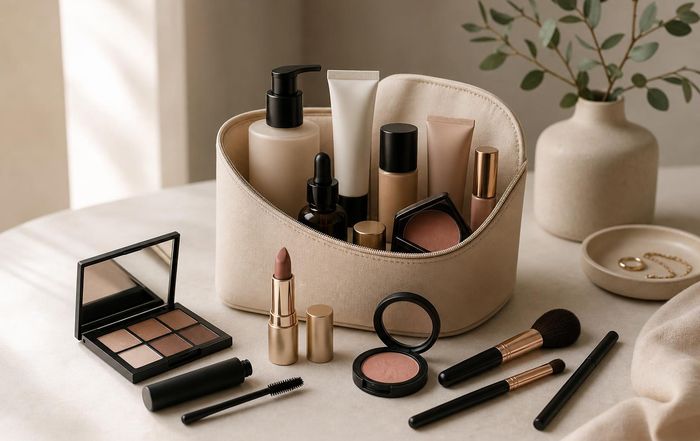
In practice, a well-designed capsule beauty collection will usually include core skincare products such as a gentle cleanser, a barrier-supporting moisturizer, and a broad-spectrum sunscreen, complemented by a limited but versatile selection of makeup items, for example a complexion product, a multi-use color product for cheeks and lips, and a simple eye-defining tool. It may also extend into wellness-adjacent categories such as targeted supplements, aromatherapy, or stress-management tools, particularly in markets like the United States, the United Kingdom, and South Korea, where the convergence between beauty and wellness has accelerated rapidly. Readers exploring this convergence can deepen their understanding through BeautyTipa's coverage of health and fitness and food and nutrition.
Crucially, a capsule beauty collection is not about deprivation or austerity but about clarity and intention. It seeks to eliminate decision fatigue, reduce clutter, and focus investment on products with strong clinical backing, credible ingredient sourcing, and a proven fit with the user's skin type, tone, and cultural context. This approach aligns with consumer research from organizations such as McKinsey & Company, which have documented the shift toward "purposeful consumption" and the rise of informed, digitally sophisticated beauty shoppers across North America, Europe, and Asia.
The Strategic Benefits: Time, Money, and Skin Health
From a business and personal finance standpoint, building a capsule beauty collection is effectively a disciplined capital allocation strategy applied to the bathroom shelf. Each product is assessed not only for its aesthetic appeal but also for its return on investment in terms of performance, versatility, and durability. Industry data from sources such as Statista and Euromonitor International show that beauty consumers in markets like Germany, Canada, Australia, and Japan are increasingly seeking fewer but better products, prioritizing efficacy and long-term value over sheer novelty.
The financial benefits are straightforward: reducing impulse purchases and focusing on high-utility products can significantly lower annual beauty spending without compromising results. This is especially relevant in an environment where inflation and currency fluctuations are affecting discretionary budgets in regions from the Eurozone to South America. For readers who treat their beauty spending as part of a broader financial strategy, BeautyTipa's business and finance coverage offers additional frameworks for budgeting, evaluating luxury purchases, and understanding the economics of the global beauty sector.
From a time-management perspective, a capsule beauty collection supports streamlined routines that can be executed quickly and consistently, which is critical for professionals balancing demanding careers in cities like New York, London, Singapore, and Tokyo. A well-designed morning routine, for example, might involve only three or four steps yet still deliver UV protection, antioxidant defense, and a polished but natural finish suitable for corporate environments. Readers can explore practical routine structures in BeautyTipa's dedicated routines and guides and tips sections, which show how capsule principles translate into daily practice.
The skin-health benefits may be the most compelling. Dermatological research, including resources from the National Institutes of Health, highlights that excessive product layering and frequent switching can disrupt the skin barrier, exacerbate sensitivity, and make it harder to isolate what is truly working. A capsule collection encourages a stable, controlled environment in which key actives such as retinoids, vitamin C, niacinamide, and ceramides can perform optimally, while potential irritants are minimized. This is particularly important for sensitive skin types, which are increasingly common in urban environments with high pollution levels, as documented by the World Health Organization and other public health bodies.
Foundations: Skin Literacy and Self-Assessment
Building a capsule beauty collection that genuinely works requires a level of skin literacy that goes beyond marketing claims and social media trends. Before selecting products, individuals need to understand their skin type, primary concerns, and environmental context, whether they live in the humid climates of Singapore and Thailand, the dry winters of Canada and Scandinavia, or the high-UV conditions of Australia and South Africa. Reliable resources from institutions such as the Mayo Clinic and Cleveland Clinic can help clarify the difference between dry and dehydrated skin, distinguish between acne and rosacea, and explain the impact of hormones, diet, and stress on skin health.
For BeautyTipa's international audience, this self-assessment must also consider regional factors such as air quality, water hardness, and cultural beauty norms. In East Asia, for example, there is a long-standing emphasis on preventive care and brightening, reflected in the popularity of essences and lightweight hydrating layers, while in Europe there is a strong tradition of pharmacy-led skincare, with brands collaborating closely with dermatologists and regulatory bodies. Understanding these regional dynamics is essential for readers who travel frequently or live in multicultural environments and wish to maintain a cohesive capsule collection that performs reliably across borders. The international section of BeautyTipa provides context on how beauty practices vary globally and how capsule strategies can be adapted without losing their core efficiency.
Once the fundamentals of skin type and environmental exposure are clear, individuals can identify their primary objectives, such as managing pigmentation, preventing premature aging, supporting acne-prone skin, or maintaining barrier resilience. Scientific overviews from sources like Harvard Health Publishing can help prioritize evidence-based ingredients and treatment approaches rather than chasing every new launch. This clarity of purpose is central to capsule beauty, because it ensures that each product earns its place by directly addressing a defined need rather than duplicating functions or responding only to trends.
Core Skincare: The Non-Negotiable Capsule
At the heart of every capsule beauty collection lies a set of non-negotiable skincare categories that form the backbone of daily care, regardless of age, gender, or geography. These typically include a cleanser, a moisturizer, and a broad-spectrum sunscreen, to which one or two targeted treatments may be added based on individual concerns. Professional organizations such as the British Association of Dermatologists consistently emphasize these pillars as the foundation of skin health, recommending that more advanced actives be layered only once a stable base is established.
A cleanser in a capsule collection should be gentle, pH-balanced, and free from unnecessary fragrance or harsh surfactants, suitable for twice-daily use and compatible with the local water quality. A moisturizer should prioritize barrier-supporting ingredients such as ceramides, cholesterol, and fatty acids, chosen in a texture appropriate to the climate, whether a light gel-cream for humid regions or a richer emulsion for colder, drier environments. Sunscreen, particularly in markets like the United States, Canada, and Europe, should offer broad-spectrum protection with an SPF of at least 30, with users in high-UV regions often opting for SPF 50, and should be cosmetically elegant enough to encourage daily use. For more detailed explorations of these categories, readers can consult BeautyTipa's in-depth skincare coverage, which examines textures, ingredients, and regional formulations.
Targeted treatments in a capsule collection should be limited and carefully chosen. For aging concerns, a retinoid or retinol-like ingredient with robust clinical support, as documented in dermatological literature accessible through platforms such as PubMed, may be prioritized. For pigmentation, stabilized vitamin C or other brightening agents with proven efficacy can be introduced gradually. For acne-prone skin, evidence-based ingredients such as salicylic acid, benzoyl peroxide, or adapalene, used under professional guidance where necessary, can be integrated. The key is to resist the temptation to layer multiple overlapping actives, which can increase the risk of irritation and undermine the simplicity that defines capsule beauty.
Makeup in a Capsule World: From Maximalism to Strategic Expression
While skincare often forms the rational core of a capsule beauty collection, makeup represents the expressive dimension, where personal branding, cultural influences, and professional requirements intersect. In recent years, the global makeup market has oscillated between maximalist trends such as full-coverage bases and elaborate eye looks, and minimalist aesthetics emphasizing skin-like finishes and subtle enhancements. Data from firms such as NielsenIQ indicate that post-pandemic consumers in regions like North America and Western Europe have gravitated toward more natural, flexible makeup looks that transition easily from video calls to in-person meetings, which aligns naturally with capsule principles.
A capsule makeup selection typically includes a complexion product that can be sheered out or built up, such as a tinted moisturizer or lightweight foundation, a multi-use color product that can be applied to cheeks and lips, a brow product to frame the face, and a simple eye-defining product such as a mascara or soft liner. Many brands, including global players like L'Oréal, Estée Lauder, and Shiseido, as well as emerging indie labels, have developed multifunctional formulas to cater to this demand for flexibility. Readers seeking to evaluate and compare these offerings can turn to BeautyTipa's brands and products and makeup sections, which analyze performance, shade ranges, and inclusivity across markets.
For professionals in sectors such as finance, law, technology, and creative industries, makeup choices are also part of a broader personal branding strategy. Executive presence research from institutions like London Business School and INSEAD underscores how consistent grooming and a coherent visual identity can influence perceptions of competence and leadership. A capsule makeup collection, by standardizing a few reliable "signature looks," reduces the cognitive load of daily decisions and ensures that one's appearance is aligned with career goals, whether in New York, Frankfurt, Hong Kong, or São Paulo.
Wellness, Nutrition, and the Inside-Out Capsule
A truly modern capsule beauty collection in 2026 extends beyond topical products to encompass wellness, nutrition, and lifestyle factors that profoundly influence skin, hair, and overall appearance. Scientific consensus, including guidance from organizations such as the World Health Organization and Dietary Guidelines bodies in the United States and Europe, recognizes that diet quality, sleep, stress levels, and physical activity play a central role in skin function, inflammation, and aging. This inside-out perspective is particularly relevant in markets like South Korea and Japan, where beauty-from-within concepts have long been integrated into mainstream routines.
For BeautyTipa's readers, integrating wellness into a capsule beauty strategy may involve a small, carefully chosen set of supplements, such as vitamin D in regions with limited sunlight, omega-3 fatty acids for those with low dietary intake, or collagen peptides where evidence supports their use, always under medical or nutritional guidance. It may also mean prioritizing hydration, balanced meals rich in antioxidants, and consistent sleep hygiene. Resources from institutions like Harvard T.H. Chan School of Public Health offer accessible overviews on how dietary patterns influence skin and systemic health, which can be translated into practical daily habits. BeautyTipa's own wellness and food and nutrition content provides regionally relevant guidance tailored to readers from Europe, Asia, Africa, and the Americas.
Incorporating wellness into capsule beauty also means recognizing the psychological dimension of routines. Short, intentional rituals-such as a two-minute facial massage, a calming evening cleanse, or a brief mindfulness practice while applying moisturizer-can serve as anchors in demanding days, supporting mental health and resilience. Research from institutions like Johns Hopkins Medicine and Stanford Medicine has explored how stress management and sleep quality influence inflammatory pathways and skin conditions, reinforcing the idea that a capsule beauty collection should be designed not just for surface-level results but for holistic well-being.
Technology, Data, and Personalization in Capsule Beauty
In 2026, technology plays a pivotal role in how individuals design, refine, and maintain their capsule beauty collections. From AI-driven skin analysis tools to smart mirrors and connected devices, consumers now have unprecedented access to data on their skin condition, routine adherence, and product performance. Major technology and beauty collaborations, including initiatives by companies such as L'Oréal and Procter & Gamble, as well as startups in hubs like Silicon Valley, Berlin, and Seoul, have accelerated the development of personalized recommendation engines and virtual try-on platforms. Readers interested in the intersection of innovation and beauty can explore BeautyTipa's technology beauty coverage, which tracks these developments across global markets.
For capsule beauty, technology serves as both a filter and a feedback loop. Digital tools can help users identify redundancies in their collections, flag potential ingredient conflicts, and track how their skin responds to simplified routines over time. Wearable devices and health apps, drawing on frameworks from organizations such as the U.S. Food and Drug Administration for digital health, can integrate data on sleep, activity, and environmental exposure, offering a more holistic view of what the skin is experiencing. This data-driven approach allows individuals to refine their capsule collections with greater precision, removing products that do not deliver measurable benefits and doubling down on those that do.
However, technology also introduces new challenges, including the risk of over-reliance on algorithmic recommendations and concerns about data privacy. Thought leaders at institutions like MIT Sloan School of Management and Oxford Internet Institute have emphasized the importance of transparency, consent, and critical thinking when interacting with AI-driven platforms. For BeautyTipa's audience, the goal is to use technology as a tool that supports informed, independent decision-making, rather than as a replacement for personal judgment or professional advice from dermatologists and healthcare providers.
Career, Image, and the Professional Value of Capsule Beauty
For many readers of BeautyTipa, beauty is not only a matter of personal satisfaction but also a strategic element of career development, networking, and public presence. In sectors ranging from corporate finance in London and New York to creative industries in Paris and Milan, and technology hubs in San Francisco and Bangalore, a consistent and polished appearance can reinforce professional credibility and personal confidence. A capsule beauty collection, by design, supports this need for reliability and coherence, ensuring that individuals can present themselves at their best with minimal time and mental effort each day.
From a jobs and employment perspective, capsule beauty can be viewed as an investment in personal branding, similar to a tailored suit or a carefully curated LinkedIn profile. Career guidance from organizations such as LinkedIn and Glassdoor often highlights the role of grooming and presentation in interviews, client meetings, and leadership opportunities. By simplifying routine decisions and standardizing a few signature looks-whether a specific red lip for presentations, a natural base for daily office wear, or a soft, camera-ready look for virtual calls-professionals can focus their cognitive resources on strategic tasks rather than on daily aesthetic choices. Readers can explore these intersections further through BeautyTipa's jobs and employment and fashion coverage, which situates beauty within broader discussions of workplace culture and style.
This professional perspective is particularly relevant in global cities where long commutes, frequent travel, and unpredictable schedules are the norm. A well-designed capsule collection travels easily, complies with carry-on regulations, and adapts to different climates and lighting conditions, allowing individuals to maintain a consistent image whether they are in New York, Dubai, Shanghai, or Johannesburg. In this sense, capsule beauty becomes part of a broader life design strategy, aligning personal aesthetics with ambition, mobility, and resilience.
Regional Nuances: Adapting Capsule Beauty Across Markets
While the principles of capsule beauty are universal, their application must be sensitive to regional differences in climate, culture, regulation, and consumer expectations. In the United States and Canada, for example, regulatory frameworks overseen by bodies such as the U.S. Food and Drug Administration and Health Canada influence ingredient availability and claims, while in the European Union, the European Commission enforces some of the world's strictest cosmetic regulations, shaping product formulation and safety standards. In Asia, markets such as South Korea, Japan, and China are known for rapid innovation cycles, sophisticated textures, and strong consumer interest in brightening and preventative care.
For a reader in Germany or Sweden, a capsule collection might prioritize fragrance-free, dermatologist-tested products available through pharmacies, reflecting local trust in clinical expertise and minimalist aesthetics. For a reader in Brazil or South Africa, high-SPF sunscreens with sweat and water resistance may be non-negotiable, given UV intensity and outdoor lifestyles. In Singapore, Thailand, and Malaysia, lightweight, humidity-resistant textures and oil-control properties may take precedence. BeautyTipa's international independent and well researched coverage provides case studies and insights into how capsule beauty can be adapted to these diverse contexts without losing its core efficiency and intentionality.
Cultural attitudes toward aging, gender expression, and beauty ideals also shape capsule choices. In France and Italy, there is often a strong emphasis on effortless elegance and "second-skin" finishes, while in South Korea and Japan, glass-skin and luminous textures remain aspirational. In the United Kingdom and the Netherlands, practicality and subtlety may be more highly valued, leading to capsule selections that prioritize versatility and understated refinement. By recognizing these nuances, BeautyTipa helps readers construct capsule beauty collections that are not only efficient and evidence-based but also culturally resonant and personally authentic.
Implementing and Evolving a Capsule Beauty Collection
Building a capsule beauty collection is not a one-time project but an ongoing process of refinement, reflection, and adaptation. As life stages, climates, job roles, and health circumstances change, the collection must evolve while maintaining its core principles of intentionality, minimal redundancy, and high performance. A practical implementation strategy often begins with a comprehensive audit of existing products, identifying duplicates, expired items, and products that do not align with current skin needs or values. From there, individuals can define their essential categories, select one product per category where possible, and gradually test and refine their choices over several months.
Throughout this process, BeautyTipa serves as both a reference and a companion, offering detailed knowledge analyses in guides and tips, highlighting emerging trends, and reviewing brands and products that may deserve a place in a long-term collection. The platform's holistic approach, which integrates beauty, wellness, technology beauty, and business and finance perspectives, reflects the reality that capsule beauty is not just about aesthetics but about how individuals choose to live, work, and invest in themselves.
Ultimately, a capsule beauty collection is a statement of clarity in a complex world. It signals a commitment to quality over quantity, to evidence over hype, and to self-knowledge over external pressure. For a global readership navigating fast-paced careers, evolving social norms, and an ever-changing beauty industry, the capsule approach offers a stable, trustworthy framework-one that aligns perfectly with BeautyTipa's completely original educational content mission to empower informed, confident, and globally aware beauty decisions.
