
The Psychology Behind Color Choices in Makeup
The psychology of color in makeup has moved from being a niche curiosity to a central pillar of product development, brand strategy, and consumer decision-making, and now it sits at the intersection of neuroscience, cultural insight, digital technology, and personal identity. For the audience of BeautyTipa and the global beauty industry it serves, understanding why certain lipstick shades feel empowering, why specific foundation undertones are perceived as more trustworthy in professional contexts, or why seasonal palettes influence purchasing behavior is no longer simply an aesthetic exercise but a strategic advantage in beauty, wellness, and business.
Color as Emotional Language in Modern Beauty
Color operates as a powerful emotional language, and in makeup this language is amplified because it is worn directly on the face, which is the primary focus of social perception and interpersonal judgment. Research synthesized by organizations such as the American Psychological Association has repeatedly shown that color can influence mood, perceived attractiveness, and even cognitive performance, and when consumers select a red lipstick or a soft taupe eyeshadow, they are often making unconscious decisions informed by deeply ingrained emotional associations. Those who explore emotional wellbeing and appearance together increasingly recognize, as reflected in contemporary discussions on mental health and self-perception, that color cosmetics can function as tools of self-regulation, helping individuals manage anxiety, project confidence, or signal approachability in both personal and professional settings.
For readers navigating beauty from a holistic lifestyle perspective, the emotional dimension of color connects directly with the content explored on BeautyTipa through its focus on beauty and self-expression and the broader context of wellness and mental balance, where makeup choices are increasingly framed as part of a daily emotional toolkit rather than a purely decorative habit.
Neuroscience, Perception, and the Face as a Canvas
Advances in neuroscience and visual perception research have significantly refined the understanding of how color operates on the human face. Studies from institutions such as Harvard Medical School and resources like Harvard Health Publishing highlight that the human brain is exceptionally sensitive to variations in facial coloration, particularly around the lips, eyes, and cheeks, which historically signal health, vitality, and emotional states. This heightened sensitivity explains why even subtle shifts in blush undertone or lip color saturation can dramatically alter how a person is perceived in terms of energy, warmth, or authority.
Color perception is not purely subjective; physiological factors such as skin undertone, melanin distribution, and ambient lighting conditions influence how pigments appear once applied. Makeup artists and product developers increasingly rely on colorimetric data and spectrophotometry, tools commonly discussed in scientific resources like Nature's coverage of color science, to refine formulations that maintain color integrity under different lighting environments, from office fluorescents and camera flashes to smartphone screens. For a beauty-focused platform like BeautyTipa, this scientific layer complements practical discussions in areas like skincare and complexion products, where understanding undertones and color correction has become essential for consumers seeking a polished yet natural appearance.
Cultural Context and Global Color Preferences
Color psychology in makeup cannot be separated from cultural context, and in 2026 the globalization of beauty has made regional differences more visible and commercially significant. While Western markets such as the United States, the United Kingdom, Canada, and Australia often associate bold red lips with confidence and power, in parts of East Asia, including Japan, South Korea, and China, softer pinks and gradient lip looks have historically signaled youthfulness, delicacy, and social harmony, though these norms are rapidly evolving with the rise of global influencers and K-beauty and J-beauty exports. Cultural research aggregated by organizations such as Hofstede Insights and cross-cultural psychology resources like Simply Psychology illustrates how collectivist versus individualist values can shape preferred color intensity, with collectivist cultures often favoring more subtle, harmonious palettes in formal settings, and individualist cultures more readily embracing high-contrast, statement looks.
European markets such as France, Italy, Spain, Germany, and the Nordic countries show nuanced variations as well, with French consumers historically gravitating toward understated sophistication in neutral and berry tones, Italian consumers favoring warm, expressive palettes, and Scandinavian markets embracing minimalist, muted hues that align with broader design aesthetics documented in design and culture discussions on The Guardian's lifestyle coverage. For BeautyTipa, whose readership spans Europe, North America, Asia, Africa, and South America, this cultural diversity reinforces the importance of localized color stories and region-specific recommendations, which are reflected in internationally oriented content such as global beauty and market insights.
The Psychology of Specific Color Families in Makeup
Different color families carry distinct psychological associations that consistently influence consumer preferences and brand storytelling. Red, perhaps the most studied color in psychology, is strongly linked to arousal, dominance, and attraction, with research summarized in sources like Verywell Mind noting that red can increase perceived attractiveness and confidence but may also amplify perceptions of aggression or assertiveness depending on context and application intensity. In makeup, this duality is evident: a classic red lip is often chosen for important meetings, evening events, or media appearances where visibility and impact are desired, whereas softer corals and brick reds can offer a more approachable version of the same psychological message.
Pink is frequently associated with softness, warmth, and nurturing, yet in the last decade it has also become a symbol of empowerment and activism, particularly in Western markets where movements such as breast cancer awareness campaigns and gender equality initiatives have adopted pink as a visual signature. Resources from organizations like Breastcancer.org and World Health Organization's health promotion materials reflect how color can become tied to social causes, and in makeup this has translated into pink lipsticks and blushes marketed not only for their aesthetic appeal but also for their symbolic value. Nude and neutral tones, spanning beige, taupe, and soft browns, are deeply connected with professionalism, reliability, and subtle refinement, and their popularity in corporate environments across the United States, the United Kingdom, Germany, and Singapore is closely linked to research on impression management and workplace appearance, as discussed by publications such as Harvard Business Review.
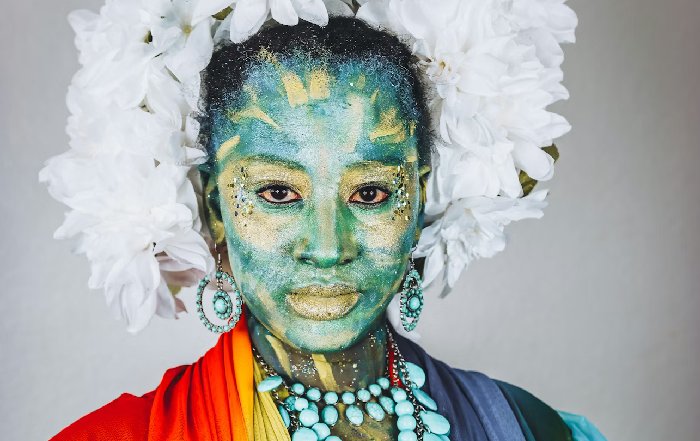
Earth tones and warm browns, frequently seen in eyeshadow palettes and bronzers, evoke stability, groundedness, and natural beauty, aligning with the broader wellness and clean beauty movements that emphasize authenticity and minimalism. Meanwhile, cooler shades such as blues, greens, and purples occupy a more experimental space in everyday makeup but are increasingly embraced in editorial looks, nightlife, and digital content creation, conveying creativity, mystery, and futuristic aesthetics in line with technological and gaming culture trends often explored on platforms like Wired. For readers of BeautyTipa, exploring these color families in relation to personal style and daily makeup routines enables more intentional choices that align emotional goals with visual outcomes.
Everyday Routines and the Subtle Power of Color
Daily makeup routines, whether minimal or elaborate, are built on repeated color choices that gradually shape how individuals see themselves and how others respond to them. In professional settings, particularly in finance, law, technology, and corporate leadership roles, many individuals gravitate toward neutral palettes that signal competence, discretion, and reliability, a trend supported by behavioral research into first impressions and grooming standards that can be found in resources like Psychology Today. At the same time, there is a growing recognition that carefully chosen color accents, such as a soft berry lip or a muted teal eyeliner, can add memorability and personal branding without undermining perceived professionalism.
Morning routines, which BeautyTipa frequently explores in its content on daily rituals and structured routines, often incorporate color as a mood-setting mechanism; a bright coral lipstick on a difficult day or a luminous peach blush during winter months can serve as subtle forms of emotional self-care. Evening routines, by contrast, may lean into deeper, more dramatic hues that align with relaxation, socializing, or romantic contexts, leveraging the psychological association between darker tones and intimacy. Across markets from New York and London to Tokyo and São Paulo, routine-based color selection reflects an emerging view of makeup as a dynamic, context-sensitive practice rather than a fixed signature look.
Brand Strategy, Positioning, and Color Psychology
For beauty brands, color is a strategic asset that extends far beyond individual products to encompass logos, packaging, retail environments, and digital interfaces. Major players such as L'Oréal, Estée Lauder, Shiseido, and Sephora invest heavily in consumer psychology and market research, drawing on insights from business publications like McKinsey & Company's beauty reports to align their color stories with target demographics and regional preferences. A brand positioned as clinical and science-driven may favor cool whites, silvers, and blues in both packaging and product lines to signal precision and trustworthiness, while a brand centered on self-expression and youth culture might embrace saturated neons, holographic finishes, and unconventional color pairings.
The rise of indie and niche brands has further diversified the color landscape, with smaller companies leveraging bold, inclusive color ranges to challenge traditional beauty norms and appeal to Gen Z and younger millennials. Platforms like BeautyTipa, particularly through areas such as brands and products analysis and business and finance coverage, play a critical role in decoding these strategies for consumers and industry professionals alike, explaining how palette curation, seasonal collections, and regional exclusives are informed by psychological and cultural research rather than purely aesthetic preference.
Technology, AI, and Data-Driven Color Choices
By 2026, technology has become deeply embedded in how consumers discover, test, and purchase makeup colors, with augmented reality (AR), artificial intelligence (AI), and machine learning transforming the customer journey. Major technology players and beauty conglomerates alike, including Google, Meta, and L'Oréal, have invested in virtual try-on tools and personalized recommendation engines that analyze facial features, skin tone, and historical preferences to suggest specific shades, a trend documented across technology and business reporting on platforms such as MIT Technology Review. These systems increasingly incorporate psychological data, such as whether a user tends to favor bold or neutral shades, to propose looks aligned with mood, occasion, or personal branding goals.
The integration of wearable devices and health data into beauty ecosystems, discussed in industry analyses on Deloitte's consumer insights, has also opened the door to adaptive color recommendations that respond to environmental factors such as UV exposure, humidity, and even sleep quality. For a platform like BeautyTipa, which covers technology and beauty innovation, this convergence of data science and color psychology represents a key frontier, as it allows for hyper-personalized routines that respect individuality while drawing on large-scale behavioral trends.
Trends, Social Media, and the Viral Life Cycle of Color
Social media platforms, particularly Instagram, TikTok, and YouTube, have accelerated the life cycle of color trends, turning specific shades into global phenomena almost overnight. A single viral tutorial featuring a particular berry lipstick or chrome eyeshadow can rapidly influence purchasing patterns across continents, with trend forecasting agencies and digital analysts tracking these surges in real time through tools discussed on platforms such as Statista's market data. The emotional narratives built around these viral colors-confidence, nostalgia, rebellion, or softness-are as important as the shades themselves, and they often draw on collective cultural references from film, music, and fashion.
Seasonal and thematic trends, such as "clean girl" neutrals, "latte makeup" browns, or "glass skin" luminosity, demonstrate how color and texture intersect to create cohesive psychological stories that consumers can easily adopt and adapt. BeautyTipa, through its dedicated trends and forecasting section and coverage of industry events and launches, provides context around these cycles, helping readers distinguish between short-lived fads and deeper shifts in consumer psychology, such as the ongoing appetite for inclusive shade ranges and culturally diverse color narratives.
Color, Identity, and Inclusivity Across Skin Tones
One of the most significant developments in the psychology of color in makeup over the past decade has been the industry-wide shift toward inclusivity and representation across skin tones, genders, and age groups. The launch of expansive foundation and concealer ranges by brands such as Fenty Beauty catalyzed a re-examination of color offerings for deeper skin tones, revealing long-standing gaps in both product development and marketing. Research and commentary from organizations like the Council of Fashion Designers of America and inclusive beauty advocates, often summarized in outlets such as Vogue Business, highlight how lack of representation in color campaigns can negatively affect self-esteem and purchasing behavior among underrepresented groups.
In psychological terms, inclusive color offerings validate diverse identities and challenge narrow beauty standards, allowing individuals with rich, deep skin tones or very fair complexions to access the same emotional spectrum of colors-bold reds, nuanced nudes, and experimental shades-that were historically marketed primarily to a limited range of complexions. Platforms like BeautyTipa, with their global readership and focus on guides and practical tips, play a vital role in translating this inclusivity into actionable advice, offering shade-matching strategies, undertone education, and cross-cultural perspectives that empower consumers from South Africa and Brazil to Sweden and Japan to find colors that resonate both psychologically and aesthetically.
The Intersection of Beauty, Wellness, and Lifestyle
The modern consumer increasingly views makeup in relation to broader lifestyle priorities such as wellness, fitness, nutrition, and fashion, and color choices in cosmetics are being influenced by these adjacent domains. The rise of skin-first beauty philosophies, supported by dermatological research accessible through resources like the American Academy of Dermatology, has encouraged many consumers to favor lighter, skin-enhancing color products that complement rather than mask the complexion, aligning with interests in health and fitness and food and nutrition that prioritize long-term wellbeing.
Simultaneously, color trends in fashion, from runway collections in Paris, Milan, and New York to street style in Seoul and Copenhagen, influence makeup palettes in ways that are documented by fashion authorities such as Vogue and Business of Fashion. Coordinated color stories across clothing, accessories, and cosmetics enable individuals to construct cohesive personal brands, an area of increasing interest for professionals navigating hybrid work environments and digital-first networking. For BeautyTipa, content that connects fashion-forward color stories with practical makeup guidance reflects the reality that consumers rarely make beauty decisions in isolation from their broader lifestyle choices.
Strategic Implications for Careers and the Beauty Economy
Color psychology in makeup carries significant implications for careers within the beauty sector and beyond, influencing roles from product development and brand management to retail, content creation, and technology innovation. Industry analyses from organizations such as Euromonitor International and Allied Market Research indicate that brands capable of translating psychological insights into inclusive, culturally sensitive color offerings are better positioned to capture market share in both established and emerging markets. Professionals who understand the interplay between color, consumer behavior, and digital engagement-whether they work in marketing, design, or data science-have a competitive advantage in a crowded and fast-evolving industry.
For individuals exploring or advancing careers in this space, resources like BeautyTipa's section on jobs and employment in beauty underscore how expertise in color psychology can enhance roles in artistry, merchandising, trend forecasting, and even AI-driven product recommendation development. Beyond the beauty sector, professionals in corporate environments across North America, Europe, Asia, and Africa are increasingly aware that their personal color choices in makeup can influence perceptions of leadership, approachability, and creativity, making color literacy a subtle but valuable component of personal branding and executive presence.
Looking Ahead: The Future of Color Psychology in Makeup
As the beauty industry moves, the psychology behind color choices in makeup is poised to become even more data-driven, personalized, and globally interconnected. Emerging technologies such as emotion-detecting wearables, advanced AR filters, and AI systems trained on diverse global datasets will refine the ability to suggest colors that respond not only to skin tone and context but also to real-time emotional states, a direction anticipated in forward-looking analyses from organizations like the World Economic Forum and technology think tanks such as Brookings Institution's tech policy research. At the same time, ethical considerations around privacy, algorithmic bias, and cultural sensitivity will shape how these tools are designed and deployed.
For BeautyTipa and its international audience, the evolving landscape of color psychology in makeup presents both inspiration and responsibility: inspiration in the form of richer, more expressive palettes and smarter tools that help individuals align their outer appearance with inner intentions, and responsibility in ensuring that these developments remain inclusive, transparent, and grounded in genuine respect for diverse identities and cultural narratives. As beauty, wellness, technology, and business continue to converge, color will remain one of the most potent and accessible instruments through which individuals around the world tell their stories, assert their presence, and navigate the complex social and professional environments of the modern era.
