
Big Beauty Shopping Habits Worth Knowing About
The New Global Beauty Consumer
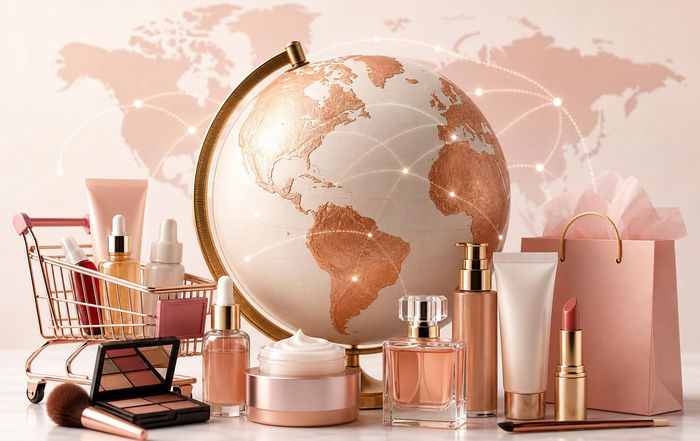
Woo hoo beauty shopping has become one of the clearest mirrors of how people around the world define identity, wellbeing, and aspiration, and for BeautyTipa and its fab audience, understanding these shifts is no longer optional but central to building relevant content, services, and partnerships. Where beauty once revolved around seasonal color stories and celebrity campaigns, it is now a complex ecosystem shaped by digital platforms, scientific innovation, wellness culture, and a sharpened awareness of sustainability and social impact, and this evolution is visible in every region from North America and Europe to Asia-Pacific, Africa, and South America.
The global beauty market, as tracked by organizations such as McKinsey & Company and Euromonitor International, has continued to expand despite macroeconomic volatility, and consumers are proving willing to spend on products and experiences that they feel genuinely improve their skin, health, confidence, and daily routines. At the same time, the way they research, compare, and purchase products has transformed, with social media, creator content, and AI-driven recommendations now woven into almost every decision. Readers who explore the dedicated sections on beauty, skincare, and trends at BeautyTipa can see these changes reflected in the questions they ask, the brands they follow, and the routines they share.
From Vanity to Holistic Wellbeing
One of the most important global shifts in beauty shopping habits is the move from purely cosmetic goals toward a holistic view of wellbeing that integrates physical health, mental balance, and self-expression. Consumers in the United States, United Kingdom, Canada, Australia, and across Europe increasingly treat beauty products as extensions of their wellness routines, looking for formulations that support skin barrier health, stress management, sleep quality, and even mood. This is reinforced by research from organizations such as the World Health Organization, which has consistently highlighted the links between mental health, self-perception, and quality of life, making it easier for brands to frame beauty as part of a broader self-care ecosystem rather than a superficial indulgence.
In Asia, particularly in South Korea, Japan, Singapore, and Thailand, the longstanding cultural emphasis on preventive skincare and ritualized routines has influenced Western consumers, who now adopt multi-step regimens, essences, and targeted treatments once considered niche. Visitors to BeautyTipa's wellness and health and fitness sections increasingly seek advice that connects skin health with sleep hygiene, nutrition, and exercise, reflecting a more integrated mindset. This convergence of beauty and wellness has opened the door for collaborations between dermatologists, nutritionists, and mental health professionals, and it has also raised the bar for transparency and evidence in product claims.
Skincare at the Center of Global Spend
Skincare now sits at the heart of global beauty spending, outpacing color cosmetics in many mature markets and growing rapidly in emerging economies. In Germany, France, Italy, Spain, the Netherlands, and the Nordic countries, consumers are allocating more of their beauty budgets toward serums, barrier creams, and dermocosmetic products sold through pharmacies and specialized retailers, which they perceive as more science-backed and trustworthy. Industry analyses from L'Oréal Groupe and Estée Lauder Companies show that clinical skincare brands and dermatologist-led labels have captured a disproportionate share of growth, a trend that aligns with the rising demand for measurable results and long-term skin health.
In Asia-Pacific, especially South Korea and Japan, innovation in textures, delivery systems, and active ingredients continues to shape global expectations, with concepts such as glass skin, slugging, and skin cycling moving from local trends to worldwide conversation topics. Readers exploring skincare routines and guides on BeautyTipa are increasingly sophisticated, asking about ingredient concentrations, pH levels, and compatibility with professional treatments such as chemical peels and laser therapies. This scientific turn has pushed more consumers to consult resources like the American Academy of Dermatology and the British Association of Dermatologists, and it has also encouraged brands to invest in clinical trials, publish before-and-after data, and partner with medical professionals to build trust.
The Rise of Ingredient-Literate Shoppers
A defining characteristic of the 2026 beauty consumer is ingredient literacy. From New York and London to Seoul, Tokyo, São Paulo, and Johannesburg, shoppers now routinely scan labels for specific actives such as niacinamide, retinoids, vitamin C, peptides, and ceramides, while simultaneously avoiding ingredients they perceive as irritating or environmentally problematic. Platforms like the Environmental Working Group and the Skin Health Alliance have become reference points for those seeking to understand the safety and sustainability of their products, and many consumers cross-check claims across multiple sources before committing to a purchase.
This ingredient focus has changed how people discover and compare products. Instead of starting with brand names, many users begin with concerns-hyperpigmentation, sensitivity, acne, or premature aging-and then search for ingredient-led solutions, often guided by dermatology content on YouTube, TikTok, and specialized beauty blogs. On BeautyTipa, guides within brands and products and guides and tips increasingly emphasize ingredient education, formulation stability, and compatibility across routines, mirroring the way shoppers now build multi-step regimens that mix and match products from different companies based on their active components rather than brand loyalty alone.
Digital Discovery, Social Proof, and AI Guidance
Digital channels remain the primary entry point for beauty discovery worldwide, but the mechanics of influence have evolved significantly by 2026. While traditional influencers still matter, consumers in the United States, United Kingdom, Germany, and across Asia are placing greater trust in niche experts, licensed professionals, and real-user communities that provide unfiltered reviews and long-term updates. Platforms such as Reddit, TikTok, Instagram, and Weibo in China host vibrant skincare and makeup communities where routines are dissected, ingredient lists are decoded, and dupes are recommended, and this grassroots dialogue often shapes which products go viral and which quietly disappear.
Artificial intelligence has become deeply embedded in the shopping journey, with major retailers and marketplaces deploying recommendation engines that analyze skin type, concerns, climate, and historical purchases to suggest tailored routines. Companies like Sephora, Ulta Beauty, and Amazon have expanded virtual try-on tools, shade-matching systems, and skin-analysis apps that rely on computer vision and machine learning, and these tools are now also being offered by direct-to-consumer brands and regional players. Readers exploring BeautyTipa's technology and beauty coverage can see how AI is reshaping everything from foundation selection to fragrance discovery, while also raising questions about data privacy, algorithmic bias, and the need for inclusive training sets that reflect diverse skin tones and ethnicities.
Regional Nuances: One Global Market, Many Local Realities
Although beauty has globalized rapidly, regional preferences and cultural norms continue to shape shopping habits in distinct ways, and brands must understand these nuances to succeed. In North America and the United Kingdom, there is a strong emphasis on inclusivity in shade ranges, representation in campaigns, and support for independent and BIPOC-owned brands, influenced by social movements and ongoing conversations about equity and representation. In continental Europe, especially in France, Italy, Spain, and the Nordic countries, shoppers display a pronounced preference for pharmacy-based skincare, minimalist routines, and products with strong regulatory backing, reflecting high trust in public health institutions and stringent cosmetic regulations overseen by agencies such as the European Commission.
In Asia, particularly in South Korea, Japan, China, and Singapore, innovation speed and novelty play a larger role, with consumers eager to try new formats like jelly textures, fermented ingredients, and hybrid skincare-makeup products, while at the same time showing strong loyalty to domestic brands that align with local beauty ideals and cultural narratives. In emerging markets across Africa, South America, and Southeast Asia, including South Africa, Brazil, Malaysia, and Thailand, affordability, access, and climate-appropriate formulations are critical, and informal retail channels and social commerce platforms often compete with traditional stores. For the global readership of BeautyTipa, which spans international markets, these regional patterns provide valuable context for interpreting trends and assessing which innovations are likely to travel successfully across borders.
Sustainability and Ethical Expectations
Sustainability has shifted from a niche concern to a mainstream expectation, although the degree of commitment and the specific priorities vary by region and demographic. In markets such as Germany, the Netherlands, Sweden, Norway, Denmark, and Switzerland, consumers scrutinize packaging, sourcing, and corporate behavior with particular intensity, often consulting certifications from organizations like COSMOS, Ecocert, and Leaping Bunny to validate cruelty-free and environmentally responsible claims. Reports from the United Nations Environment Programme and the OECD have drawn attention to the environmental impact of plastic waste, microplastics, and resource-intensive ingredients, pushing brands to invest in refill systems, recyclable materials, and reduced-water formulations.
At the same time, there is a growing recognition that sustainability must be balanced with performance, accessibility, and cultural relevance, especially in regions where price sensitivity is high or infrastructure for recycling and refilling is limited. Many consumers across North America, Europe, and Asia now expect brands to communicate clearly about trade-offs, lifecycle impacts, and progress rather than relying on vague green messaging, and they are increasingly adept at identifying greenwashing. Within BeautyTipa's business and finance coverage, sustainability is framed not only as an ethical imperative but as a strategic differentiator that influences investor interest, retailer partnerships, and long-term brand equity.
The Blurring Lines Between Beauty, Food, and Health
Another powerful trend shaping beauty shopping habits is the integration of ingestible products and nutrition into beauty routines, with consumers in the United States, United Kingdom, Australia, Japan, and South Korea showing particularly strong interest in supplements targeting skin, hair, nails, and overall vitality. Collagen powders, probiotic blends, botanical extracts, and functional beverages are now marketed as part of a comprehensive approach to beauty from within, often supported by research from institutions like the National Institutes of Health and the European Food Safety Authority, which evaluate the safety and efficacy of novel ingredients and health claims.
This convergence has important implications for how consumers educate themselves and where they shop. Pharmacies, health food stores, and online wellness platforms now compete directly with traditional beauty retailers, and shoppers often cross-reference information from medical sites such as Mayo Clinic when considering new supplements or bioactive ingredients. On BeautyTipa, the interplay between food and nutrition, wellness, and beauty is increasingly central to editorial planning, reflecting the way readers view diet, lifestyle, and topical care as interconnected levers for achieving their desired appearance and wellbeing.
The Evolving Role of Fragrance and Makeup
While skincare has dominated growth headlines, fragrance and makeup remain deeply important to global beauty consumers, though the way they are shopped and used has changed. Post-pandemic, many consumers in North America, Europe, and Asia have returned to makeup with renewed enthusiasm, but they favor lighter textures, skin-like finishes, and hybrid products that offer skincare benefits alongside coverage or color. Long-wear formulations that withstand masks, humidity, and long workdays remain popular in markets such as Japan, South Korea, Singapore, and Brazil, while in Scandinavia and parts of Western Europe, minimal, almost imperceptible makeup looks continue to resonate.
Fragrance has experienced a renaissance driven by niche and artisanal brands, with shoppers in the United States, United Kingdom, France, Italy, and the Middle East seeking more complex, gender-inclusive scents and storytelling-driven houses. The growth of online fragrance communities and platforms like Fragrantica and Basenotes has empowered consumers to navigate notes, accords, and performance characteristics with remarkable sophistication, often purchasing discovery sets and travel sizes before committing to full bottles. For BeautyTipa, coverage of makeup, fashion, and cross-category trends explores how color, scent, and style intersect, and how consumers use these tools to express identity in increasingly fluid and personalized ways.
Omnichannel Journeys and the Power of Experience
Around the world, beauty shopping has become a truly omnichannel experience, with consumers moving fluidly between online research, social discovery, and physical retail. In the United States, Canada, the United Kingdom, and much of Europe, brick-and-mortar stores remain important for testing textures, shades, and scents, but they now serve as experiential hubs where services such as skin diagnostics, makeup lessons, and wellness consultations are offered. Retailers and brands are investing heavily in experiential formats, pop-up events, and educational workshops, and these activities often feed into digital content and social media campaigns that extend their reach far beyond the store walls.
In Asia, particularly in China, South Korea, and Singapore, the integration of e-commerce, social media, and live streaming has created highly dynamic shopping environments where consumers can watch demonstrations, ask questions in real time, and purchase products with a single tap. This model is spreading to other regions via platforms like TikTok Shop and Instagram Shopping, and it is reshaping expectations for interactivity and immediacy. BeautyTipa's events and trends coverage tracks how brand activations, trade shows, and digital experiences influence purchasing behavior, while the jobs and employment section highlights the new roles and skills required to deliver seamless omnichannel experiences, from digital beauty advisors to data-driven merchandisers.
Economic Pressures, Value Perception, and Trading Behavior
Global inflation, currency fluctuations, and uneven economic recovery have all affected beauty shopping habits, but the category has demonstrated notable resilience, often described by analysts as "affordable luxury" that consumers are reluctant to cut even when budgets tighten. In markets such as the United States, United Kingdom, Germany, and Brazil, shoppers have become more strategic, engaging in what analysts at Deloitte and KPMG describe as "trading up and trading down" behavior, where they splurge selectively on hero products while economizing on cleansers, body care, or haircare.
Value is increasingly defined not simply by price but by performance, longevity, and versatility, with multi-use products and concentrated formulas gaining traction. Subscription models, loyalty programs, and refill systems also play a role in how consumers perceive value, and many are willing to commit to higher initial outlays if they believe the long-term cost of use will be lower. Within BeautyTipa's business and finance reporting, these shifts are examined in terms of margin structures, pricing strategies, and the competitive landscape between prestige, masstige, and mass brands, offering readers a deeper understanding of how their individual choices connect to broader market dynamics.
Trust, Transparency, and the Role of Media
In an era where misinformation can spread quickly across social platforms, trust has become a central currency in beauty. Consumers in North America, Europe, and Asia are increasingly skeptical of exaggerated claims, heavily filtered imagery, and undisclosed sponsorships, and they reward brands, creators, and publications that demonstrate transparency, expertise, and accountability. Regulatory bodies such as the U.S. Food and Drug Administration and the UK's Advertising Standards Authority have tightened guidance on claims and influencer disclosures, and this regulatory context shapes how products are marketed and reviewed.
For BeautyTipa, this environment underscores the importance of rigorous editorial standards, clear labeling of commercial content, and a commitment to evidence-based guidance across guides and tips, skincare, and technology-beauty coverage. Readers expect content that not only reflects current trends but also helps them navigate conflicting information, evaluate risk-benefit trade-offs, and make choices aligned with their health, values, and budgets. By drawing on credible sources such as the American Academy of Dermatology, Mayo Clinic, and international regulatory frameworks, and by foregrounding diverse voices and experiences, the platform aims to strengthen the Experience, Expertise, Authoritativeness, and Trustworthiness that discerning beauty consumers now demand.
So What Global Beauty Habits Signal About the Future
The beauty shopping habits observed in 2026 point to a future in which consumers are more informed, more demanding, and more empowered than at any previous point. They expect products that deliver tangible results, respect their health and the environment, and align with their cultural context and personal identity, and they use a wide array of digital and physical touchpoints to validate their choices. For brands, retailers, and professionals, this means that success depends not only on creative marketing and product innovation but also on sustained investment in transparency, sustainability, and inclusive design.
For BeautyTipa, serving a fashion trends audience across North America, Europe, Asia, Africa, and South America means continually adapting coverage to reflect regional nuances while highlighting the shared themes that connect beauty consumers worldwide. Whether readers come seeking insights into the latest K-beauty innovation, guidance on building a minimalist routine, analysis of market trends, or career advice in the fast-evolving beauty sector, the platform's role is to translate complex shifts into clear, actionable understanding. As beauty continues to intersect with technology, wellness, fashion, and finance, the habits observed today will shape not only how people shop, but how they see themselves and the world they inhabit, making it more important than ever for industry stakeholders and informed consumers to stay engaged, curious, and discerning.
