
How Nutrition Supports Strong Hair and Healthy Nails in 2026
The Strategic Importance of Nutrition for Beauty and Wellness
In 2026, as the global beauty and wellness industry becomes increasingly data-driven and performance-focused, nutrition has moved from the periphery of personal care to the center of strategic decision-making for consumers, brands and professionals. Hair and nail health, once treated primarily as cosmetic concerns, are now recognized as visible indicators of internal wellbeing, metabolic balance and long-term lifestyle patterns. For the audience of Beautytipa, which spans beauty enthusiasts, industry executives, health professionals and trend forecasters across regions from the United States and United Kingdom to South Korea, Brazil and the broader European and Asia-Pacific markets, understanding how nutrition supports strong hair and healthy nails is no longer optional; it is a competitive advantage in both personal routines and business strategy.
This shift is reinforced by a convergence of scientific research, consumer expectations and regulatory scrutiny. Organizations such as the World Health Organization highlight how micronutrient deficiencies can manifest in skin, hair and nail changes, and those signals are now being integrated into holistic wellness assessments and beauty diagnostics. As more consumers look beyond topical solutions, platforms like Beautytipa are increasingly expected to connect nutritional science with practical beauty routines, offering integrated guidance that links what individuals eat with how their hair and nails look, feel and perform over time.
The Biology of Hair and Nails: Keratin, Growth Cycles and Systemic Health
To understand why nutrition is so central to hair and nail strength, it is necessary to examine their biology. Both hair and nails are primarily composed of keratin, a fibrous structural protein produced by specialized cells in hair follicles and the nail matrix. These cells depend on a continuous supply of amino acids, minerals and vitamins delivered through the bloodstream, meaning that dietary quality and metabolic health directly influence the rate and quality of keratin production.
Hair grows in cycles-anagen (growth), catagen (transition) and telogen (rest)-and disruptions in nutrient availability can shorten the growth phase or trigger excessive shedding. Research summarized by the American Academy of Dermatology explains that sudden hair thinning, brittle strands or changes in texture can be early markers of nutritional imbalance, stress or systemic illness. Nails, which grow more slowly, often reveal longer-term patterns; ridging, peeling, slow growth or discoloration may reflect chronic deficiencies or underlying inflammatory processes.
For the global audience of Beautytipa, these biological realities provide a framework for evaluating beauty claims. When a product, supplement or routine promises stronger hair or faster nail growth, the critical question is whether it supports the underlying keratin-building machinery with the right building blocks, rather than merely masking damage at the surface. This is where nutrition, combined with well-designed topical care and lifestyle management, becomes a cornerstone of evidence-based beauty.
Protein and Amino Acids: The Structural Foundation
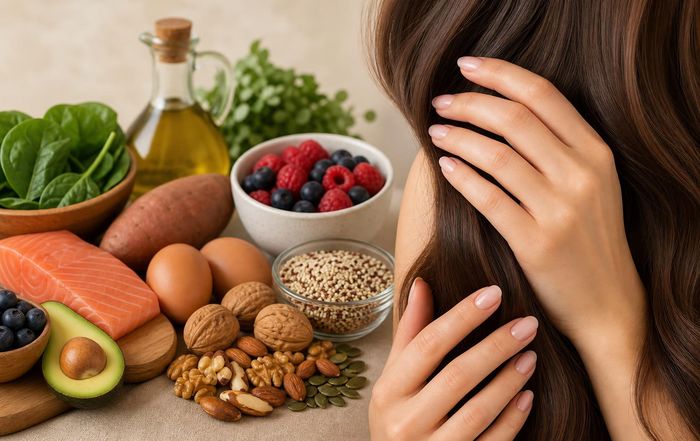
Protein is the non-negotiable foundation for strong hair and nails. Without adequate protein intake, the body prioritizes vital organs and functions over cosmetic tissues, leading to slower hair growth, thinning and fragile nails. Keratin is rich in sulfur-containing amino acids such as cysteine and methionine, which are essential for forming the disulfide bonds that give hair its strength and resilience.
Leading institutions such as Harvard T.H. Chan School of Public Health emphasize the importance of high-quality protein sources-fish, eggs, poultry, legumes, nuts and seeds-for overall health, and these recommendations translate directly to hair and nail integrity. In markets like the United States, Germany, Japan and Australia, where high-protein dietary patterns are common, the challenge is often not total protein intake but the balance between animal and plant sources, and the overall quality of the diet. In regions where protein intake is lower or more variable, such as parts of Africa and South America, hair and nail changes may be among the first visible signs of protein-energy malnutrition.
For readers exploring practical strategies on Beautytipa, integrating protein considerations into daily routines can be as simple as aligning breakfast and snack choices with hair and nail goals. A structured approach that connects dietary planning with personal care, as discussed on the Beautytipa routines section at https://www.beautytipa.com/routines.html, allows individuals to treat protein not just as a macronutrient, but as a strategic tool for aesthetic and functional outcomes.
Essential Vitamins: From Deficiency Signals to Performance Optimization
Vitamins play a nuanced role in hair and nail health, moving beyond the simplistic notion that "more is better" toward a targeted, evidence-based approach. Several vitamins have particularly strong associations with keratin quality and growth dynamics.
Biotin (vitamin B7) is widely marketed for hair and nail strength, and while true biotin deficiency is rare in developed countries, clinical observations show that deficiency can cause brittle nails and hair loss. The National Institutes of Health Office of Dietary Supplements provides detailed guidance on recommended intakes and cautions against unnecessary megadoses, which can interfere with laboratory tests and medical diagnostics. For most individuals, a balanced diet that includes eggs, nuts, seeds and whole grains provides adequate biotin without the need for high-dose supplementation.
Vitamin D has emerged as a critical factor in hair follicle cycling. Research from organizations such as the Cleveland Clinic has linked low vitamin D levels with certain forms of hair loss, including telogen effluvium and alopecia areata. Given the prevalence of vitamin D insufficiency in northern Europe, Canada, the United Kingdom and parts of Asia where sun exposure is limited, assessing vitamin D status has become a routine part of comprehensive hair loss evaluation in dermatology and trichology practices.
Vitamins A, E and the broader B-complex also contribute to scalp health, sebum production, antioxidant defense and red blood cell formation, all of which indirectly influence hair and nail quality. However, excessive vitamin A intake can actually trigger hair loss, underscoring the importance of balance and professional guidance. For Beautytipa readers who seek actionable yet safe strategies, aligning vitamin intake with authoritative resources on healthy eating, such as those provided by the U.S. Department of Agriculture, offers a grounded path forward for integrating vitamins into beauty-focused nutrition plans.
Minerals and Trace Elements: Small Quantities, Large Impact
Minerals and trace elements, though required in relatively small amounts, exert a disproportionate influence on hair and nail integrity. Iron, zinc, selenium and magnesium are particularly relevant, and deficiencies often present first in fast-growing tissues such as hair follicles and nail beds.
Iron deficiency, with or without anemia, is a well-established cause of hair shedding and thinning. The Mayo Clinic and other major medical centers consistently highlight low ferritin (a marker of iron stores) as a key factor in chronic hair loss, especially among women of reproductive age. In regions such as South Asia, parts of Africa and South America, where iron deficiency remains prevalent, addressing iron status is not only a beauty concern but a public health priority. Even in high-income countries, restrictive diets or heavy menstrual bleeding can quietly deplete iron reserves, making laboratory testing and targeted supplementation an important component of advanced hair-care strategies.
Zinc supports protein synthesis, cell division and immune balance; low zinc levels have been associated with hair shedding and poor wound healing of the scalp and cuticles. Selenium, a powerful antioxidant, helps protect hair follicles from oxidative stress, while magnesium plays a role in energy metabolism and structural integrity of keratinized tissues. Guidance from organizations such as the European Food Safety Authority provides region-specific reference values that can inform product formulation and personalized nutrition plans.
For Beautytipa's business and finance audience, the growing demand for mineral-focused hair and nail supplements represents a significant market opportunity, but also a responsibility to align claims with robust science. The Beautytipa business and finance section at https://www.beautytipa.com/business-and-finance.html can serve as a hub for analyzing how brands across North America, Europe and Asia are integrating mineral science into product innovation and marketing narratives.
Healthy Fats and Omega-3s: The Lipid Dimension of Beauty
While protein and micronutrients provide structural and catalytic support, healthy fats supply the lipid environment that allows hair and nails to thrive. Omega-3 fatty acids, found in fatty fish, flaxseeds, chia seeds and walnuts, contribute to scalp hydration, anti-inflammatory balance and the fluidity of cell membranes. Inadequate intake of essential fatty acids has been associated with dry, brittle hair and nails, as well as scaly skin conditions that can indirectly impair follicle function.
The American Heart Association recommends regular consumption of omega-3-rich foods for cardiovascular health, and these same guidelines are increasingly referenced in beauty and wellness contexts as consumers recognize the dual benefits for internal health and external appearance. In markets such as Japan, Norway and Iceland, where traditional diets have historically included high levels of marine omega-3s, rates of certain inflammatory scalp conditions have been comparatively lower, offering a real-world illustration of how dietary patterns influence aesthetic outcomes across populations.
For readers of Beautytipa who are navigating modern dietary trends-from plant-based eating in Germany and the Netherlands to flexitarian approaches in Canada and Australia-integrating healthy fats into daily menus can be aligned with both ethical and performance-driven goals. The Beautytipa food and nutrition section at https://www.beautytipa.com/food-and-nutrition.html provides a natural space to explore recipes, meal strategies and regional adaptations that link omega-3 intake to hair and nail resilience.
Hydration, Gut Health and the Hidden Infrastructure of Beauty
Beyond specific nutrients, systemic factors such as hydration and gut health create the internal environment in which hair and nails develop. Adequate water intake supports blood volume, nutrient transport and toxin elimination, all of which indirectly affect follicle and nail matrix performance. While there is no single "correct" daily water target for all individuals, organizations like the National Health Service in the United Kingdom provide pragmatic guidelines that can be adapted to climate, activity level and individual needs.
Gut health has become a central theme in 2026 wellness discourse, and its relevance to hair and nail quality is increasingly supported by emerging research. The balance of the gut microbiome influences nutrient absorption, inflammation and hormonal regulation-three pillars that strongly shape hair growth patterns and nail integrity. Institutions such as Johns Hopkins Medicine highlight how disturbances in gut flora, whether from poor diet, chronic stress or frequent antibiotic use, can contribute to systemic inflammation and malabsorption, which may then manifest as dull hair, slow nail growth or increased fragility.
For Beautytipa, this intersection between gut health and visible beauty offers a rich field for guides and tips that bridge nutrition, skincare and lifestyle. The Beautytipa wellness section at https://www.beautytipa.com/wellness.html is well positioned to curate content that helps readers in Singapore, South Korea, the United States and beyond understand how probiotics, fiber-rich diets and stress management can indirectly support stronger hair and healthier nails over the long term.
Regional Diets, Cultural Patterns and Global Trends
The global audience of Beautytipa operates within diverse culinary traditions and economic realities, which significantly shape nutritional patterns and, by extension, hair and nail health. In Mediterranean regions such as Italy, Spain and Greece, dietary patterns rich in olive oil, fish, vegetables and legumes naturally provide many of the nutrients associated with robust keratin production, including omega-3s, antioxidants and high-quality protein. The Food and Agriculture Organization of the United Nations has long highlighted the Mediterranean diet as a model for sustainable, health-promoting eating, and its benefits extend clearly into the beauty domain.
In East Asia, traditional diets in Japan and South Korea, with their emphasis on fish, seaweed, fermented foods and green tea, offer unique mineral and antioxidant profiles that may contribute to hair thickness and nail resilience. However, rapid urbanization and Westernization of diets in cities like Seoul, Shanghai and Bangkok have introduced higher levels of processed foods and sugars, potentially undermining some of these advantages. In North America and the United Kingdom, convenience foods and irregular eating patterns often coexist with an abundance of nutritional information and supplementation options, creating both opportunities and risks for hair and nail health.
Emerging markets in Africa, South America and Southeast Asia face a dual challenge: addressing undernutrition in some populations while managing the rise of ultra-processed foods and lifestyle-related conditions in others. Organizations such as UNICEF draw attention to how childhood and adolescent nutrition can have lasting effects on hair and nail development, setting the stage for adult beauty and wellness trajectories. For Beautytipa, covering these regional nuances in the international section at https://www.beautytipa.com/international.html offers a way to contextualize beauty advice within cultural, economic and geographic realities, enhancing relevance and trust for readers from Brazil to South Africa and Malaysia.
The Business of Nutritional Beauty: Supplements, Functional Foods and Regulation
By 2026, the convergence of nutrition and beauty has created one of the fastest-growing segments in the global consumer marketplace: ingestible beauty. From collagen powders and biotin gummies to fortified beverages and functional snacks, brands across the United States, Europe and Asia are competing to position themselves at the intersection of health, aesthetics and convenience. Market analyses from organizations like McKinsey & Company describe this trend as a structural shift rather than a passing fad, driven by consumers who increasingly expect measurable, inside-out benefits from their beauty investments.
However, this growth has also attracted regulatory attention. Agencies such as the U.S. Food and Drug Administration and the European Commission are scrutinizing claims around hair growth, nail strengthening and anti-aging, demanding clearer evidence and more responsible marketing. For companies, this means that building products around well-established nutrients-iron, zinc, vitamin D, omega-3s-paired with transparent labeling and realistic benefit statements is no longer just good practice; it is essential for long-term brand equity.
For the professional audience of Beautytipa, including brand managers, formulators and investors, understanding the evolving regulatory landscape and consumer expectations is critical. The Beautytipa technology and beauty section at https://www.beautytipa.com/technology-beauty.html can explore how digital tools, from AI-driven nutrient analysis to personalized supplement platforms, are reshaping the ingestible beauty space, while the business-focused content at https://www.beautytipa.com/business-and-finance.html can analyze mergers, acquisitions and innovation pipelines in this rapidly evolving category.
Integrating Nutrition with Skincare, Haircare and Daily Routines
Nutrition does not operate in isolation; its effects on hair and nails are amplified or undermined by topical care, styling practices, environmental exposure and overall lifestyle. Strong internal nutrition can be offset by aggressive chemical treatments, excessive heat styling or chronic sleep deprivation, while a balanced approach that integrates diet, topical products and routines can create a synergistic effect.
Dermatology and cosmetic science communities, including experts associated with The British Association of Dermatologists, increasingly advocate for integrated regimens that combine gentle cleansing, targeted topical actives and protective styling with nutrient-dense diets and, where appropriate, carefully selected supplements. On Beautytipa, this integrated perspective is reflected in the skincare section at https://www.beautytipa.com/skincare.html and the beauty section at https://www.beautytipa.com/beauty.html, where readers can connect internal strategies with external routines for face, body, hair and nails.
For individuals designing their personal routines in cities from New York and London to Singapore and Sydney, a practical framework might include aligning meals with hair and nail goals, scheduling regular scalp and nail care, and periodically reviewing blood work with healthcare professionals. The Beautytipa guides and tips section at https://www.beautytipa.com/guides-and-tips.html can support this process with checklists, expert interviews and region-specific advice that translate complex science into manageable daily habits.
Careers, Innovation and the Future of Nutritional Beauty
The integration of nutrition with hair and nail health is not only reshaping consumer behavior; it is also creating new career paths and innovation opportunities across the beauty and wellness ecosystem. Nutrition-focused beauty consultants, trichology-informed dietitians, product developers specializing in ingestible formulations and data scientists analyzing the impact of diet on beauty outcomes are all emerging roles in 2026.
Institutions such as The Nutrition Society and leading universities are expanding interdisciplinary programs that combine nutrition, cosmetic science and public health, preparing professionals to operate at this new frontier. For readers of Beautytipa who are exploring career transitions or educational pathways, the jobs and employment section at https://www.beautytipa.com/jobs-and-employment.html can highlight roles, skills and market trends related to nutritional beauty across North America, Europe, Asia and beyond.
Looking ahead, advancements in personalized nutrition, genomics and microbiome analysis are likely to deepen the connection between diet and visible beauty. Organizations such as MIT and other research leaders are exploring how individual genetic profiles and microbial ecosystems influence responses to specific nutrients, which could eventually allow for highly tailored hair and nail nutrition plans. For Beautytipa, staying at the forefront of these developments will be essential to maintaining its authority and relevance as a global hub for beauty, wellness and technology-driven innovation.
Conclusion: Building Trustworthy, Nutrition-Led Pathways to Strong Hair and Healthy Nails
In an era where consumers are increasingly skeptical of quick fixes and unsubstantiated claims, nutrition offers a grounded, scientifically credible pathway to stronger hair and healthier nails. By focusing on protein quality, essential vitamins, key minerals, healthy fats, hydration and gut health, individuals across the United States, Europe, Asia, Africa and South America can build routines that support not only aesthetic goals but also broader wellbeing.
For Beautytipa, the mission is to translate this complex, evolving body of knowledge into clear, actionable insights that respect regional diversity, scientific rigor and the lived realities of its global audience. By integrating nutritional guidance with content on skincare, beauty routines, international trends and business innovation, the platform can help readers navigate the 2026 landscape with confidence, aligning their diets, products and habits with long-term hair and nail resilience. As the boundaries between beauty, health and technology continue to blur, the commitment to experience, expertise, authoritativeness and trustworthiness will remain the foundation on which meaningful, nutrition-led beauty strategies are built.
