
Smart Shopping Tips for Refillable Makeup Products
Refillable makeup has moved from niche eco-stores into mainstream beauty aisles, promising less waste, lower long-term costs, and chic packaging that lasts. Yet when consumers start comparing compacts, cartridges, and palettes, it quickly becomes clear that not every refill system is equally sustainable, compatible, or cost-effective. Understanding how refillable beauty actually works, and how to read between the marketing lines, can help shoppers build a makeup routine that is both lower-waste and genuinely practical.
This guide breaks down what "refillable" really means, how to evaluate products and brands, and which questions to ask before committing to a system. It also looks at common pitfalls, from hard-to-recycle inserts to limited shade ranges, so readers can make informed choices rather than relying solely on green claims.
How refillable makeup works (and where it can go wrong)
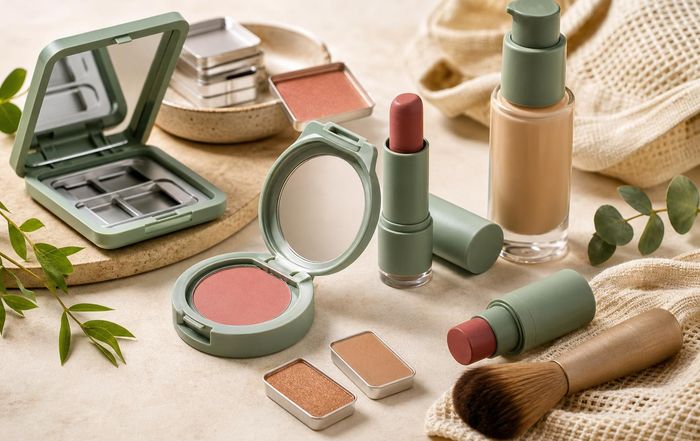
Most refillable makeup systems rely on a durable outer "shell" or case that is kept long term, while the inner product (often called a pan, pod, bullet, cartridge, or insert) is replaced as it runs out. This framework is now used in a wide range of categories: lipsticks, powder compacts, cream blushes, mascaras, brow products, and even some foundations. Some brands offer universal palettes that can hold multiple pans, while others design tightly controlled, brand-specific refills that only fit one style of compact.
In theory, this structure reduces single-use plastic and metal waste by cutting down on repeated packaging. However, the environmental benefit depends heavily on design details. A refill that still comes in a plastic pod, wrapped in a plastic tray, inside a cardboard box may not save much material compared with a standard compact. The UN Environment Programme notes that refill and reuse systems only deliver clear environmental gains when they are thoughtfully designed, actually used multiple times, and supported by convenient access and consumer habits, rather than being a one-off novelty purchase that ends up in the same waste stream as traditional packaging. Shoppers therefore need to look beyond the "refillable" label and consider the total packaging footprint and how many times they are realistically likely to repurchase.
Another complication is compatibility. Some refillable formats use standardized pan sizes that can technically be swapped between brands or placed into magnetic palettes, while others use proprietary shapes, locking mechanisms, or magnets that limit you to a single brand's inserts. There is nothing inherently wrong with proprietary systems, but they do lock consumers into a particular ecosystem. Understanding whether a compact is flexible or brand-locked before buying can help avoid accumulating multiple "forever cases" that end up not being used.
Evaluating the true environmental impact
The appeal of refillable makeup is often framed around sustainability, but impact varies widely. Life-cycle assessments (LCAs) of refill and reuse systems in packaging, including studies summarized by the Ellen MacArthur Foundation, show that refillable formats can significantly reduce environmental burdens like greenhouse gas emissions and material use-provided they are reused enough times to offset the initial, often heavier, packaging. For makeup, that means the durable compact or lipstick case must be refilled repeatedly, not replaced after one or two uses because of breakage, boredom, or poor performance.
One key factor to examine is material composition. Metal compacts and glass lipstick cases can feel luxurious and last longer than plastic, but they often require more energy to produce and transport due to their weight. According to the European Environment Agency, heavier packaging can increase transport-related emissions unless offset by substantial reuse. If a product is likely to become outdated quickly due to limited shade updates or trend-driven design, its heavier construction might not be justified. Lightweight yet sturdy plastics, recycled aluminum, or mixed materials may provide a more balanced option when they are genuinely reused over time.
It is also worth looking at what happens at end of life. Many refillable systems do not clearly explain how to dispose of used inserts, magnets, or mixed-material components. Some brands participate in take-back programs such as TerraCycle partnerships, which can handle complex cosmetic packaging that municipal systems often reject. However, these programs are not universally available and may require mailing in empties or visiting specific stores. Shoppers should check whether a brand offers clear disposal guidance or take-back options rather than assuming that "refillable" automatically means easier recycling.
Finally, the product formula itself matters. If a refillable bronzer or lipstick contains ingredients that a user later decides to avoid-fragrance, certain preservatives, or potential irritants-then the outer packaging will not be reused, and the environmental promise is undermined. Reading ingredient lists carefully and considering skin sensitivities, especially for products used around the eyes or on reactive skin, helps ensure the refill system is actually sustainable in practice. Readers interested in broader ingredient and skin-health discussions may find it useful to explore our dedicated skincare coverage alongside any makeup decisions.
Cost comparison: when refills actually save money
One of the selling points of refillable makeup is the idea that refills are cheaper than buying a full product each time. This can be true, but the economics are not always straightforward. A refillable compact might require an upfront investment in the case, with refills costing less than the original set. However, some brands price refills only marginally lower than the full product, or even similar once shipping and taxes are included, especially in regions where certain shades or formats are imported.
A practical approach is to compare the price per gram or milliliter of the initial product and the refill. Online listings and in-store labels in many markets now show unit pricing, which makes it easier to see whether the refill represents a genuine discount. In some cases, the refill may contain slightly less product than the original, so checking the net weight is crucial rather than assuming equivalence. Consumer organizations such as Consumer Reports and European consumer groups often recommend unit price comparisons as a basic tactic for evaluating refill value across product categories, and the same logic applies neatly to beauty.
It is also useful to consider how quickly a product is used up. A refillable mascara that is replaced every three months for hygiene reasons, as suggested by many dermatologists and organizations like the American Academy of Ophthalmology, might not offer the same long-term cost savings as a powder compact that lasts a year or more. If a refillable lipstick is part of a large collection and only worn occasionally, the user may never reach the point where the refill system becomes more economical than buying one or two non-refillable tubes. Honest self-assessment of usage habits can therefore be as important as the sticker price.
Shoppers should also factor in potential shipping costs for online-only refills and the availability of refill stations or in-store cartridges. If a user must pay international shipping or minimum-order fees each time they need a replacement, any savings on the refill itself may be offset. In some cases, it may be more cost-effective to choose refillable systems from brands that are widely available locally, or to combine refill purchases with other essentials in a single order to reduce overall shipping impact. For those looking to build a more budget-conscious routine, our guides and tips section often explores strategies for balancing cost and quality across beauty categories.
Ingredient and performance checks before committing to a system
A refillable case is only as valuable as the formula it holds. Before investing in a system, it is wise to treat the initial purchase as both a product test and a packaging trial. Texture, wear time, shade accuracy, and how a formula behaves on specific skin types should be evaluated carefully, particularly for base products like foundation, concealer, and powder. If a refillable product creases, oxidizes, or triggers breakouts, the user is unlikely to continue buying refills, which undermines both the sustainability and cost arguments.
Checking ingredients against reputable databases, such as the Environmental Working Group's Skin Deep database or INCI Decoder, can provide additional insight into potential allergens or irritants, though these tools should be used as a supplement to professional advice rather than a substitute. Fragrance, certain dyes, and some preservatives are common culprits for sensitive skin. Patch testing, especially for products worn for long hours or over large areas of the face, remains a sensible precaution, and dermatologists frequently recommend introducing one new product at a time to monitor reactions.
Performance in different climates and conditions is another factor. A refillable cream blush that works beautifully in a temperate climate might feel too heavy or prone to slipping in hot, humid weather. Similarly, powder foundations that perform well on oily skin may emphasize dryness or fine lines on more mature or dehydrated skin. Reading independent reviews from a variety of skin types and tones, including on platforms like Dermstore, Sephora, and large beauty forums, can provide practical insight beyond brand marketing. It can also reveal whether formulas have changed over time, which is particularly relevant for long-term refill users who may notice subtle shifts in texture or shade.
For readers interested in how makeup fits into a broader daily routine, integrating refillable products with thoughtful beauty routines and wellness practices can help ensure that sustainability choices also support skin health and lifestyle needs.
Shade range, undertones, and inclusivity in refill formats
Shade range can be a major limitation in refillable makeup lines. Some brands launch refillable systems with a relatively narrow palette of shades, particularly in foundation, concealer, and bronzer. This can leave many consumers, especially those with very fair, very deep, or strongly warm or cool undertones, without a good match. In contrast, several non-refillable ranges now offer 40 or more foundation shades, reflecting a growing industry emphasis on inclusivity, as seen in launches from brands like Fenty Beauty and others that have pushed competitors to expand their offerings.
When evaluating a refillable option, it is worth checking whether the brand has a track record of updating and expanding its shade range, and whether refills are available for all shades or only a subset. Official brand websites and retailer product pages often list shade expansion timelines and availability; some brands publish detailed undertone descriptions and comparison charts, which can be particularly useful for online shopping. Resources such as Temptalia's Foundation Matrix or other shade-matching tools can also help consumers map a known shade from one brand to an approximate match in a refillable line, though individual results will vary.
Undertones deserve special attention. A line may claim to have many shades but skew strongly yellow, pink, or neutral in ways that do not suit everyone. Swatching in natural daylight where possible, or ordering sample cards when available, can prevent ending up with a refillable system that never quite matches. For color products like blush and lipstick, considering how shades appear on a variety of skin tones in brand photography and user reviews can reveal whether a product is versatile or tailored to a narrow range.
Inclusivity also extends beyond color. Accessible packaging design, including easy-open mechanisms, clear labels, and legible shade names or numbers, matters for users with visual impairments or limited dexterity. Some refillable systems use tiny screws, stiff magnets, or very small text, which can be difficult to navigate. Brands that provide clear instructions, videos, or diagrams on their websites, and which design packaging that can be opened without excessive force, are often more user-friendly over the long term.
Packaging design: durability, hygiene, and everyday practicality
A refillable makeup system lives or dies by its packaging design. Durability is crucial: the outer case must withstand daily use, travel, and repeated opening without hinges breaking or magnets loosening. Online reviews and social media posts can be particularly revealing here, as users often share photos of cracked compacts or cases that no longer close securely. If a supposedly "forever" case fails within a year, its environmental and financial benefits are sharply reduced.
Hygiene is another key consideration. Products like mascara, liquid eyeliner, and some lip gloss formats are inherently more challenging to refill hygienically because the applicator repeatedly comes into contact with the eye or mouth area. The American Academy of Ophthalmology cautions against using eye makeup beyond recommended time frames and against topping up old formulas, as this can increase the risk of eye infections. For these categories, many experts suggest prioritizing safety and replacing the entire unit regularly rather than attempting to stretch use through refills, especially if the refill mechanism requires keeping older internal components.
For powders, blushes, and highlighters, hygiene is easier to manage, but the design of the refill mechanism still matters. Magnetic pans that can be popped in and out using a small pinhole or finger pressure are often more convenient than systems that require prying out glued inserts. Some brands have begun publishing step-by-step refill tutorials on their websites or retailer pages, which can reduce the risk of damaging the compact or the product during replacement. When assessing a system in person, it can be helpful to test how firmly the refill sits in the case and whether any gaps allow powder to escape into bags or makeup pouches.
Portability also plays a role. Heavy metal compacts and glass lipstick cases can add significant weight to a makeup bag, which may be less convenient for frequent travelers. On the other hand, flimsy plastic shells might crack under pressure in a handbag or suitcase. Balancing sturdiness with weight and considering whether the compact includes features like mirrors or brush compartments can help users choose designs that fit their daily routines. Readers seeking broader style and fashion context may also appreciate how refillable packaging aesthetics intersect with personal style and on-the-go habits.
Reading and comparing sustainability claims
As refillable beauty has grown more popular, so have sustainability claims on packaging and in marketing. Terms like "eco-friendly," "green," and "planet-positive" are often used without clear definitions. Regulatory bodies, including the UK Competition and Markets Authority and the US Federal Trade Commission, have issued guidance on environmental marketing, emphasizing that claims should be specific, substantiated, and not misleading. While these rules primarily target brands, they also give consumers a framework for evaluating what they see on boxes and websites.
Shoppers can start by looking for concrete information: percentages of recycled content, clear statements about the number of times packaging is designed to be reused, and explanations of any third-party certifications. Labels such as Cradle to Cradle Certified, B Corp, or COSMOS for natural and organic cosmetics each have specific criteria, though they do not guarantee perfection. Checking the certifying body's website can help clarify what a particular seal actually covers-ingredients, packaging, ethical sourcing, or broader corporate practices.
Vague claims like "kind to the planet" without supporting data should be treated cautiously. Similarly, a focus on one positive attribute, such as a cardboard outer box, may distract from less sustainable aspects like non-recyclable inner pods. Some brands publish detailed sustainability reports or packaging roadmaps, often linked in website footers, which can provide more transparency. Environmental organizations and watchdog groups sometimes analyze these reports, offering additional commentary on how robust the initiatives really are.
Consumers interested in the broader business and regulatory context of sustainable beauty may find it helpful to follow developments in beauty business and finance and technology-driven beauty innovations, where refill and reuse systems are frequently discussed alongside new materials and digital refill tracking.
Practical shopping strategies for building a refillable routine
For those ready to integrate refillable products into their makeup bags, a gradual, strategic approach often works better than an overnight overhaul. Beginning with categories that are used daily and finished regularly-such as pressed powder, brow pencils with refillable cartridges, or favorite lipsticks-can maximize both environmental and financial benefits. It is usually more effective to replace items as they naturally run out rather than discarding functional products in order to switch systems, which can create unnecessary waste.
Combining in-store testing with online research can also improve outcomes. Swatching shades, feeling textures, and handling packaging in person provides information that photos and descriptions cannot fully convey. At the same time, online reviews, ingredient breakdowns, and brand sustainability pages offer depth that might not be available on a product shelf. Keeping a simple list of products that have been tested and liked can help guide future refill purchases without repeating trial-and-error.
Another smart strategy is to avoid over-buying refills in advance. While it may be tempting to stock up during sales, formulas can change, shades can be discontinued, and preferences can evolve. Buying one refill at a time and monitoring how quickly it is used provides real-world data on both cost and environmental impact. If a product is used so slowly that it risks expiring before being finished, it may not be an ideal candidate for a refill system.
Finally, integrating refillable choices into a broader lifestyle perspective can make the process feel less like a restriction and more like a thoughtful evolution. Considering how makeup fits with overall beauty, trends, and even health and fitness priorities can help consumers select products they genuinely enjoy and will continue to use. Over time, a curated set of well-chosen refillable items can offer a satisfying balance of aesthetics, performance, and reduced waste-without relying on marketing slogans alone.
Refillable makeup is neither a perfect solution nor a passing fad; it is one tool among many for aligning beauty routines with environmental and financial goals. By scrutinizing design, ingredients, shade ranges, cost structures, and sustainability claims, shoppers can identify which refill systems truly support their values and which are better left on the shelf. Thoughtful choices, repeated over time, are what ultimately turn a refillable compact or lipstick case into more than just a pretty object-and into a meaningful part of a lower-waste routine.
