
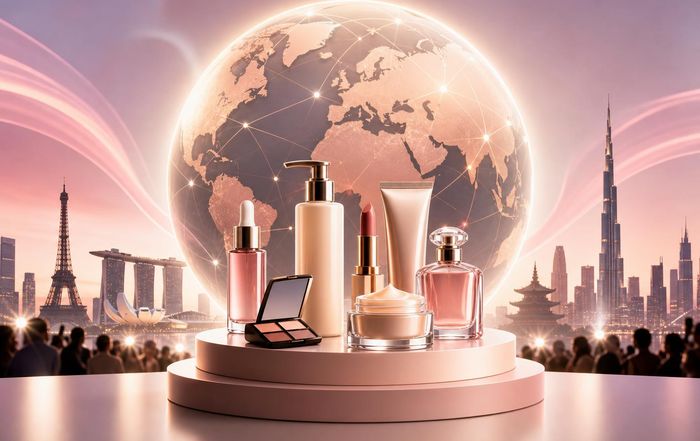
How Beauty Events Influence Global Product Launches
The Strategic Power of Beauty Events in a Hyper-Connected Market
Beauty events have evolved from glamorous industry gatherings into powerful strategic engines that shape how products are conceived, developed, launched, and scaled across global markets. For BeautyTipa and its international audience spanning the United States, Europe, Asia, Africa, and the Americas, understanding how these events influence global product launches is no longer a niche interest; it is a core business and brand-building imperative that connects beauty, wellness, technology, and consumer culture in a single, fast-moving ecosystem.
Major trade fairs, consumer festivals, professional congresses, and digital-first showcases now function as real-time laboratories where brands test concepts, measure audience sentiment, secure retail partnerships, and align with regulatory expectations before committing to large-scale rollouts. From the innovation-driven stages of Cosmoprof Worldwide Bologna to the trendsetting runways of Paris Fashion Week and the technology showcases at CES in Las Vegas, beauty events have become the nexus where creativity, data, and commercial strategy converge. As a result, global product launches are rarely accidental; they are choreographed sequences, informed by insights that originate in these physical and digital meeting points.
For readers exploring the business dimension of beauty on BeautyTipa, understanding this interplay between events and launches provides a critical lens for interpreting market movements, evaluating emerging brands, and anticipating the next wave of products that will define categories from skincare and makeup to wellness and beauty technology.
From Showcase to Strategy: How Events Shape Product Development
The influence of beauty events begins long before a product appears on a shelf or e-commerce homepage. Global brands and high-growth indie labels now integrate event calendars into their product development roadmaps, using them as milestones for concept validation, formulation refinement, and positioning.
Events such as Cosmoprof Worldwide Bologna, in-cosmetics Global, and Beautyworld Middle East bring together raw material suppliers, formulators, brand founders, and retailers in a concentrated environment where emerging ingredients, textures, formats, and sustainability solutions are presented, debated, and rapidly compared. Industry professionals increasingly rely on resources such as the Personal Care Products Council and the Cosmetics Europe association to align event learnings with regulatory and safety frameworks, particularly when planning launches in highly regulated markets like the European Union, the United Kingdom, and the United States.
For innovation teams, these gatherings provide a unique opportunity to observe how competitors and partners interpret macro trends such as microbiome-friendly skincare, skin barrier repair, AI-powered personalization, and biotech-derived actives. The insights gleaned from live demonstrations, technical seminars, and behind-the-scenes conversations often lead to adjustments in formulation complexity, claims language, pricing strategy, and packaging design before a product goes into full-scale production.
On BeautyTipa, readers who follow beauty trends and innovation can trace a direct line from what appears on event stages to what eventually enters their daily beauty routines. This connection underscores the importance of viewing beauty events not merely as publicity platforms but as core components of the product lifecycle.
Regional Events as Launchpads for Global Expansion
Although beauty is increasingly global, regional events retain distinct identities that influence how and where products are introduced. In North America, shows like Cosmoprof North America and The Makeup Show often emphasize indie brand discovery, retail partnerships, and influencer engagement. In Europe, Cosmoprof Bologna, in-cosmetics Global, and Salon International de la Beauté in Paris lean heavily into ingredient innovation, regulatory alignment, and professional education. In Asia, events such as China Beauty Expo, K-Beauty Expo in South Korea, and Beautyworld Japan serve as crucial gateways to fast-evolving markets that set global standards for skincare innovation and packaging design.
Brands increasingly design staggered launch strategies based on these regional dynamics. A product may debut in Seoul or Tokyo to leverage the reputation of East Asia as the epicenter of advanced skincare and beauty technology, then move to European events for credibility in dermatological science and regulatory robustness, and finally expand into the United States and Canada through partnerships forged at North American trade shows and conferences. Resources like Statista's beauty and personal care market data and market analyses from McKinsey & Company help decision-makers align event-based strategies with macroeconomic and demographic trends.
For BeautyTipa readers interested in international beauty markets, this sequencing explains why certain product concepts-such as hybrid skincare-makeup formulas or refillable packaging systems-often appear first in South Korea, Japan, or France before gaining traction in the United Kingdom, Germany, Canada, Australia, and beyond. Beauty events act as both testing grounds and amplifiers, accelerating the cross-border flow of ideas while allowing brands to fine-tune their offerings for local preferences.
The Role of Consumer-Facing Festivals in Shaping Demand
While trade-only events remain critical for B2B relationships, consumer-facing festivals and hybrid experiences now exert significant influence over global product launches. Events such as Sephoria by Sephora, Beautycon, and brand-specific pop-up experiences enable consumers to interact directly with new formulas, tools, and devices in immersive environments where social media content creation is not just encouraged but expected.
These events function as real-time focus groups at scale. Attendees in New York, Los Angeles, London, Berlin, Paris, Singapore, and Sydney test textures, evaluate shades, and react to claims in front of cameras and smartphones, generating a stream of user-generated content that brands monitor closely. Platforms like Instagram and TikTok become extensions of the event floor, where reactions to product launches can be measured in engagement metrics and sentiment analysis within hours.
Brands increasingly use these consumer festivals as soft launches before committing to full global rollouts. If a serum, foundation, or wellness supplement generates strong enthusiasm and repeat interest at events in the United States or the United Kingdom, it is more likely to be prioritized for expansion into markets such as Germany, Italy, Spain, the Netherlands, and the Nordic countries. Conversely, lukewarm responses or negative feedback about texture, fragrance, or shade inclusivity may lead to reformulation or repositioning before a broader release.
For readers exploring beauty and wellness guides on BeautyTipa, understanding how their own event participation and social media engagement influence product success reinforces the idea that modern beauty launches are co-created by brands and consumers, not dictated unilaterally from corporate headquarters.
Data, Technology, and the Rise of Predictive Launch Planning
By 2026, the intersection of beauty events and technology has become impossible to ignore. Brands now integrate event feedback into sophisticated data ecosystems that combine social listening, point-of-sale analytics, and AI-driven forecasting to predict which products are likely to succeed in specific regions and channels.
Technology-focused gatherings such as CES, Web Summit, and specialized beauty-tech conferences showcase advances in AI skin analysis, virtual try-on, and personalized recommendation engines that are rapidly being integrated into beauty retail and brand-owned platforms. Companies like Perfect Corp. and ModiFace have worked with major beauty houses to embed augmented reality and AI diagnostics into both physical event experiences and online environments, enabling consumers to virtually test products launched on stage in real time.
Industry professionals increasingly consult resources like the World Economic Forum for insights into the broader implications of AI, data privacy, and digital identity as they shape consumer expectations. Meanwhile, regulatory bodies such as the U.S. Food and Drug Administration and the European Commission provide guidance on claims, safety, and transparency that influence how tech-powered beauty solutions are positioned at events and in subsequent launches.
For BeautyTipa, which covers beauty technology and digital innovation, this convergence of events and data underscores a key reality: global product launches are no longer driven solely by intuition or heritage; they are increasingly informed by predictive analytics that begin collecting signals the moment a prototype is shown to an audience.
Sustainability, Ethics, and Regulatory Expectations on the Event Stage
Sustainability and ethical responsibility have moved from the margins to the center of beauty event programming, and this shift is directly shaping which products make it to global launch. Conferences and fairs now devote entire tracks to topics such as circular packaging, carbon footprint reduction, ethical sourcing, and social impact, with organizations like the UN Environment Programme and the Ellen MacArthur Foundation providing frameworks for responsible innovation.
Brands are expected to present not only new products but also credible narratives around supply chain transparency, ingredient traceability, and community impact. Certifications and standards from entities such as COSMOS, Ecocert, and Leaping Bunny are frequently highlighted on event stands and in launch presentations as signals of trustworthiness. In markets such as France, Germany, the United Kingdom, and the Nordic countries, where consumers are particularly attentive to environmental and ethical issues, event-based scrutiny can determine whether a product is celebrated, questioned, or ignored.
Regulators and industry bodies use event platforms to communicate evolving expectations around green claims, environmental marketing, and ingredient disclosure. Reports and guidelines from the OECD and national consumer protection agencies influence how brands frame their sustainability stories at events, which in turn shapes the messaging and packaging of global launches.
For BeautyTipa readers interested in the intersection of beauty, business, and finance, this evolution highlights how ESG (environmental, social, and governance) considerations have become integral to product launch strategies, affecting investor confidence, retailer interest, and long-term brand equity.
Professional Education, Talent Pipelines, and Employment Opportunities
Beauty events also play a crucial role in shaping talent pipelines and professional standards across the industry. Conferences, workshops, and masterclasses hosted by renowned makeup artists, dermatologists, cosmetic chemists, and business leaders help define best practices in formulation, application, marketing, and management.
Organizations such as the International Federation of Societies of Cosmetic Chemists and the American Academy of Dermatology frequently participate in or inform event programming, ensuring that new product claims and techniques are grounded in credible science. This professionalization benefits both established multinationals and emerging indie brands that must navigate increasingly complex expectations around safety, efficacy, and inclusivity.
For job seekers and career changers, beauty events have become important networking hubs where opportunities in product development, marketing, retail, technology, and sustainability are discussed and often initiated. Recruitment teams and HR leaders attend these gatherings to identify talent with cross-functional expertise in areas such as data analytics, digital marketing, cosmetic science, and global regulatory affairs. For those exploring career paths via BeautyTipa's jobs and employment insights, understanding which events matter most in their region-whether in New York, London, Berlin, Paris, Seoul, Tokyo, Singapore, or São Paulo-can be a decisive factor in building a competitive professional profile.
Cross-Category Convergence: Wellness, Nutrition, Fitness, and Fashion
As beauty increasingly overlaps with wellness, nutrition, fitness, and fashion, events have become multidisciplinary stages where cross-category collaborations are born and refined. Product launches are no longer limited to creams, serums, and lipsticks; they often include ingestible supplements, fitness-linked beauty programs, and fashion-integrated cosmetic concepts.
Wellness-focused gatherings and health conferences introduce consumers and professionals to new approaches that connect skin health with sleep, stress, gut health, and movement. Scientific insights from organizations such as the World Health Organization and the Harvard T.H. Chan School of Public Health filter into event discussions, influencing how brands frame the benefits of products that sit at the intersection of beauty and wellness. For BeautyTipa readers who follow wellness, health and fitness, and food and nutrition, this convergence is reflected in the rise of beauty-from-within supplements, adaptogen-infused formulations, and routines that integrate skincare with lifestyle practices.
Simultaneously, fashion weeks in Paris, Milan, London, New York, and emerging hubs like Copenhagen and Seoul have become critical launchpads for makeup and hair innovations. Partnerships between fashion houses and beauty brands allow new color stories, textures, and application techniques to be showcased on runways and amplified via digital channels. For those tracking fashion and beauty crossovers on BeautyTipa, the influence of these events is evident every season as runway looks transition into commercially viable collections and limited-edition launches.
Digital Events, Hybrid Formats, and the Future of Global Launches
The pandemic years accelerated the adoption of digital and hybrid event formats, and by 2026 these models have matured into sophisticated ecosystems that extend the influence of beauty events far beyond physical venues. Virtual trade shows, live-streamed masterclasses, and interactive product demonstrations now attract attendees from markets that previously had limited access to major industry gatherings, including parts of Africa, South America, Southeast Asia, and smaller European countries.
Brands use these digital environments to conduct global pre-launch campaigns, inviting retailers, influencers, journalists, and consumers to experience new products simultaneously across time zones. Virtual reality booths, AI-powered matchmaking tools, and on-demand content libraries allow participants to explore innovations at their own pace while generating data that informs launch planning. Technology providers and event organizers collaborate to create platforms that integrate seamlessly with e-commerce and CRM systems, enabling immediate conversion opportunities when interest is high.
For BeautyTipa, which serves a geographically diverse readership, this shift means that coverage of beauty events and launches can now include insights from both physical and virtual spaces, reflecting the reality that influence is no longer confined to those who can travel to Bologna, Las Vegas, or Shanghai. Digital access democratizes participation and ensures that voices from regions such as South Africa, Brazil, Malaysia, and New Zealand are increasingly represented in the global conversation.
Implications for Brands, Retailers, and Consumers
The growing influence of beauty events on global product launches carries important implications for all stakeholders in the industry. Brands must treat events as strategic pillars rather than tactical afterthoughts, aligning product development timelines, marketing narratives, and partnership strategies with key gatherings across regions. Retailers, from multinational chains to niche boutiques, use event exposure to identify emerging categories and negotiate exclusivities that differentiate their assortments in competitive markets.
Consumers, increasingly informed and empowered, recognize that the products they encounter on shelves and screens often trace their origins back to these events. By following coverage on fashion community platforms like this and exploring dedicated sections on beauty, brands and products, and global trends, they gain insight into the narratives and decisions that shape what becomes available in their local markets, from the United States and the United Kingdom to Singapore, Japan, and beyond.
Ultimately, beauty events function as dynamic, interconnected arenas where creativity, science, technology, and commerce intersect. They inform not only which products are launched, but how responsibly they are developed, how inclusively they are positioned, and how effectively they respond to the evolving needs and values of a global audience. For readers of BeautyTipa, understanding this ecosystem is essential to navigating the next generation of beauty, wellness, and self-care with discernment, confidence, and a strategic perspective that matches the sophistication of the industry itself.
