
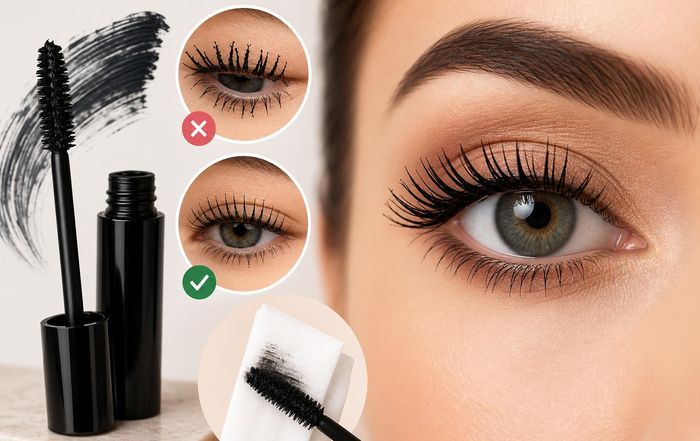
Common Mascara Mistakes and How to Finally Stop Clumping
Mascara should make lashes look longer, fuller, and more defined, not spidery, flaky, or stuck together. Yet clumping is one of the most common frustrations in everyday makeup routines, whether someone is a beginner or has been wearing mascara for years. The good news is that clumps are rarely about "bad lashes" and almost always about product choice, technique, and hygiene. With a few targeted changes, it is possible to get smooth, separated lashes consistently without spending more time in front of the mirror.
This guide breaks down why mascara clumps, the most common application mistakes, and how to fix or prevent them with simple, realistic tweaks to a daily routine. It also looks at how different formulas, tools, and lash-care habits affect the final result, so readers can choose products and techniques that fit their eye shape, lash type, and lifestyle.
For more on everyday makeup essentials, readers can also explore makeup-focused features and step-by-step guides and tips elsewhere on the site.
Why Mascara Clumps in the First Place
Mascara clumps when too much product builds up on certain sections of the lashes, causing them to stick together instead of coating each lash in a thin, even layer. Several factors usually work together: formula thickness, how long the tube has been open, the type and condition of the wand, and the way the product is applied.
Most mascaras are made from a blend of waxes, oils, film-formers, and pigments. Over time, exposure to air causes the liquid components to evaporate, making the formula thicker and more prone to globbing. The U.S. Food and Drug Administration (FDA) recommends replacing eye makeup such as mascara every three months to reduce both clumping and the risk of eye infections, because bacteria can grow in older, partially dried product (FDA eye cosmetic safety guidance). Beyond age, wands that pick up too much product, or lashes that are already coated in old mascara or skincare residue, create the perfect conditions for clumps to form and grab onto each other.
Application style plays a surprisingly big role. Heavy-handed zig-zagging, too many coats, or not allowing layers to dry properly can all lead to lashes merging into thick chunks. Humidity and oil around the eye area, including rich eye creams, can also interfere with how evenly mascara adheres. Understanding these causes makes it easier to troubleshoot whether the problem lies with the product, the tool, the preparation, or the technique.
Mistake 1: Using Old or Dried-Out Mascara
One of the most overlooked causes of clumpy lashes is simply using mascara that is past its prime. Even if a tube is not fully dried out, a thickened formula tends to gather in blobs on the wand and deposit unevenly onto the lashes. As the product ages, it also loses some of its ability to spread and self-level, so any extra product remains as visible clumps rather than smoothing out.
Most dermatologists and ophthalmologists advise discarding mascara after three to six months of opening, with three months being the more cautious standard. The American Academy of Ophthalmology warns that the risk of eye infections rises with older mascara because bacteria can multiply in the tube and be transferred to the eye during application (AAO guidance on makeup and eye safety). Signs that a mascara should be replaced include a noticeably drier or pastier texture, difficulty pulling the wand out of the tube smoothly, or visible strings and clumps on the brush before it even touches the lashes.
To avoid waste, it helps to keep only one or two open mascaras at a time rather than a large rotation. Writing the opening date on the tube with a marker makes it easy to see when three months have passed. If the formula starts to feel dry or flaky sooner than expected, it may simply not perform well for that person's environment or lash type, and switching to a different brand or formula can be more effective than trying to revive it with hacks such as adding eye drops, which manufacturers and ophthalmologists generally do not recommend due to contamination risk.
Readers interested in building a streamlined makeup kit may find it useful to pair this approach with curated picks in the site's brands and products coverage, which often highlights mascara formulas suited to different lash needs and climates.
Mistake 2: Pumping the Wand and Overloading the Brush
Many people instinctively pump the wand in and out of the tube to get more product on the brush, but this habit forces air into the container, accelerating drying and thickening. Extra air also encourages bacteria growth. Instead of loading the brush more evenly, pumping usually leads to the wand coming out coated in excess product and blobs clinging to the bristles, which then transfer directly to the lashes.
A better approach is to pull the wand out in one smooth motion and gently wipe off any visible excess on the inner rim of the tube or a clean tissue. This leaves enough product to coat the lashes but reduces the likelihood of large globs forming at the tips. Many modern mascaras include an internal wiper system designed to remove surplus product from the brush as it is withdrawn; if the wand still looks overloaded, it can be a sign that the formula and wiper are not well-matched to the user's application style.
Research into cosmetic packaging has shown that oxygen exposure is one of the key factors in mascara degradation, affecting both texture and microbiological stability (International Journal of Cosmetic Science overview of mascara stability). Keeping the tube tightly closed between uses and avoiding unnecessary pumping helps maintain a smoother formula for longer. For people who frequently reapply during the day, it is better to apply a slightly more generous but controlled coat in the morning than to keep opening and closing the tube for touch-ups on top of semi-dry product.
Mistake 3: Skipping Lash Prep and Applying Over Oily Lids
Mascara applies best to clean, dry lashes. When there is leftover eye makeup, micellar water, or rich eye cream on the lash surface, the product struggles to grip evenly and tends to slip, gather, and clump. This is especially common among those with naturally oily eyelids or who use heavy balms and eye serums at night that are not fully absorbed by morning.
The American Academy of Dermatology (AAD) emphasizes the importance of thoroughly removing eye makeup and cleansing the lash line to reduce irritation and buildup (AAD advice on eye cosmetics and skin health). In practice, this means using a gentle, dedicated eye makeup remover or oil-based cleanser at night, followed by a light water-based cleanse in the morning to remove any residue. After skincare, allowing a few minutes for eye cream to absorb before applying mascara helps prevent slippage.
For those who still experience clumping or smudging due to oil, a thin layer of a non-greasy eyeshadow primer or a dusting of translucent powder on the lids (avoiding direct contact with the eyes) can create a more stable base. Lash primers can also help by providing a slightly tacky surface that mascara can cling to, promoting more even distribution. However, primers should be applied sparingly; overloading with primer and then adding multiple coats of mascara can create a thick, heavy result if not balanced carefully.
Readers interested in building a full eye routine around mascara-liner, shadows, and brows-can find complementary advice in the site's beauty and makeup sections, which explore how different products interact on the eye area.
Mistake 4: Applying Too Many Coats or Layering Incompatible Formulas
Layering mascara can create impressive volume and length, but there is a tipping point where more coats simply mean more clumps. The first coat should define and slightly thicken; additional coats can add drama but must be applied before the previous layer fully dries. When wet mascara meets fully dry mascara, it often catches and drags, pulling lashes together into spikes rather than building soft volume.
Makeup artists typically recommend two coats for a polished daytime look and up to three for a more intense, evening effect, depending on the formula. The key is to work relatively quickly, moving from one eye to the other and back again while the product is still slightly flexible. If someone prefers to layer different mascaras-for example, a lengthening formula followed by a volumizing one-it is important to check that the textures are compatible. A very wet formula on top of a dry, wax-heavy mascara can create a paste-like effect.
Waterproof mascaras are especially prone to clumping when over-layered because they set more rigidly. The Cleveland Clinic notes that waterproof formulas tend to be drier and can be more difficult to remove, which may increase lash breakage if rubbed aggressively (Cleveland Clinic overview of mascara and eye safety). Using waterproof only when necessary (such as in humid conditions or for special events) and sticking to regular formulas for daily wear can reduce both clumping and long-term lash stress.
If the goal is dramatic lashes without spidery buildup, it often works better to choose a more volumizing formula and apply two careful coats rather than stacking four or five layers of a lighter mascara. For guidance on selecting formulas tailored to specific lash goals, readers can refer to product-focused pieces in the trends and brands and products sections, where new launches and innovations are regularly analyzed.
Mistake 5: Neglecting Lash Separation Tools
Even with a well-behaved formula, some lashes naturally cross or clump together, particularly if they are very fine, very straight, or grow in different directions. Relying only on the mascara wand for separation can be limiting, especially with thick, bristle-heavy brushes that prioritize volume over precision. Skipping a dedicated separation step often leaves small clumps unnoticed until they dry and become difficult to fix.
A simple metal or plastic lash comb, or a clean spoolie brush, can make a noticeable difference. The best time to use these tools is immediately after applying mascara while it is still soft but no longer overly wet. Gently combing from root to tip helps break apart small clusters and redistribute excess product. It is important to clean these tools regularly with warm water and gentle soap to avoid transferring dried mascara and bacteria back onto fresh lashes.
The Mayo Clinic highlights that tools used near the eyes should be kept clean and not shared, as this can spread infections like conjunctivitis (Mayo Clinic advice on eye cosmetic safety). This applies equally to lash combs, curlers, and mascara wands. Some people find it useful to keep a few disposable spoolies on hand for quick separation without needing to wash a tool immediately.
In addition, choosing mascaras with comb-style or slimmer, rubberized wands can help those who struggle with larger brushes that tend to deposit too much product. For readers who enjoy experimenting with different tools and techniques as part of their daily routines, building a small "lash toolkit" can be as transformative as switching formulas.
Mistake 6: Curling Lashes at the Wrong Time-or Not at All
Lash curlers can be a friend or an enemy of clump-free lashes, depending on when and how they are used. Curling after mascara application is one of the quickest ways to create crunched, stuck-together lashes because the curler presses semi-dry product into a rigid shape and can cause multiple lashes to fuse. It also increases the risk of breakage, as dry mascara makes lashes more brittle.
The safer and more effective sequence is to curl bare, clean lashes first, then apply mascara. According to ophthalmologists interviewed by organizations such as the American Optometric Association, using curlers on bare lashes reduces the chance of pulling or tearing them out (AOA advice on eye makeup tools). Applying a light coat of mascara afterward helps "set" the curl while keeping each lash more distinct.
Those with very straight or downward-pointing lashes may benefit from a heated lash curler, which can provide a gentler and longer-lasting lift when used correctly. However, these devices must be used cautiously to avoid heat damage or burns; manufacturers' instructions should be followed closely, and the device should never be used on wet mascara. If clumping persists even with proper curling timing, it may indicate that the mascara formula is too heavy for that lash type and is weighing the curl down, causing lashes to merge. In that case, a lighter, lengthening formula or a tubing mascara may perform better.
Mistake 7: Ignoring Eye and Lash Health
Healthy lashes are naturally more flexible and less likely to clump in rigid spikes. Chronic irritation, frequent rubbing, or conditions like blepharitis (inflammation of the eyelid margins) can affect lash growth patterns and texture. The National Eye Institute notes that lid hygiene-gently cleaning along the lash line-can help manage conditions that interfere with normal lash health (NEI information on blepharitis and eyelid care). When the lash line is inflamed or crusted, mascara may apply unevenly and collect around problem areas.
Removing mascara thoroughly at night is essential. Sleeping in eye makeup can lead to product buildup, clogged follicles, and increased risk of irritation. Over time, this may result in lashes that are more brittle and patchy, making even a good mascara look clumpy because it has less uniform lash density to work with. A gentle, oil-based remover followed by a light cleanse usually removes mascara effectively without the need for harsh rubbing.
Lash serums and conditioning treatments can support lash resilience, but they should be chosen carefully and used according to instructions. Some prescription-strength lash growth treatments, such as bimatoprost (marketed under brand names like Latisse), can have side effects and should only be used under medical supervision (U.S. FDA information on bimatoprost for eyelash growth). Over-the-counter conditioning serums that focus on hydration and protection rather than active growth may be a gentler option for many people.
Readers exploring broader wellness and self-care routines that support skin and hair health-including lashes-may find additional context in the site's wellness and health and fitness coverage, where nutrition, sleep, and stress are often linked to visible beauty outcomes.
Mistake 8: Using the Wrong Formula for Your Lash Type and Climate
Not all mascaras are created for the same lashes or environments. Someone with dense, naturally dark lashes will have different needs from someone with sparse, very light lashes, and climate also matters. Using a thick, intensely volumizing mascara in a hot, humid environment, for example, can encourage clumping and smudging as the formula softens and mixes with sweat and oils.
Broadly, mascaras fall into categories like lengthening, volumizing, curling, defining, and tubing. Lengthening and defining formulas often contain more flexible film-formers and finer brushes, which can help those prone to clumping achieve a cleaner, separated look. Volumizing formulas, which typically include more waxes and fibers, can look beautiful on lashes that need density but may overwhelm very fine or short lashes if applied heavily. Tubing mascaras create tiny polymer "tubes" around each lash and can be excellent for separation and smudge resistance, though they may feel slightly different to remove, typically sliding off with warm water and gentle pressure.
Climate adds another layer. In very humid regions, waterproof or water-resistant formulas can prevent smudging, but they should be balanced with proper removal to avoid lash damage. In drier climates, heavily waterproof formulas may feel too stiff and increase flaking. Beauty chemists and cosmetic scientists often discuss these trade-offs when developing regional product variations for global brands, aiming to balance performance with comfort.
For readers who follow product innovation and ingredient trends in makeup, the site's technology beauty and trends sections can provide deeper dives into how new polymers, brushes, and packaging designs aim to reduce clumping and improve wear across different markets.
How to Fix Clumpy Lashes in the Moment
Even with the best preparation and product choice, clumps sometimes happen-especially when rushing or trying a new mascara. The key is to address them while the product is still workable rather than waiting until it is fully set. As soon as clumps are noticed, a clean lash comb or spoolie can be used to gently wiggle between stuck-together lashes from base to tip, removing or redistributing excess product. If a significant blob has formed, lightly pressing a tissue against the tips of the lashes can help lift off some of the weight before combing.
If lashes have already dried into stiff spikes, trying to comb them aggressively can lead to breakage. In that case, it is often better to remove the mascara from that eye and start again. A cotton bud dipped in a small amount of makeup remover can be used to carefully erase mistakes without disturbing the entire eye look, though this works best with non-waterproof formulas. Once the area is dry, mascara can be reapplied with a lighter hand.
Some people like to carry a clean spoolie in their makeup bag specifically for midday touch-ups. If lashes start to stick together as the day goes on due to oil or moisture, gently separating them with a dry tool can help refresh the look without adding more product. However, repeatedly layering new mascara over fully dry, several-hours-old product tends to create a flaky, clumpy buildup, so it is usually better to avoid reapplication unless the old mascara has been removed.
Building a Clump-Free Mascara Routine
A smooth, separated lash look is less about one miracle product and more about a consistent routine that respects lash health, product life cycles, and technique. Replacing mascara regularly, avoiding pumping the wand, prepping clean lashes, choosing formulas matched to lash type and climate, and incorporating simple tools like curlers and combs can collectively transform how mascara performs.
For readers looking to refine their entire beauty routine around small, effective habits, the broader routines and beauty hubs on the site offer additional guidance on skincare, base makeup, and eye looks that complement a clean lash finish. With a little experimentation and attention to detail, clumpy mascara can shift from a daily frustration to an occasional, easily fixed mishap-and lashes can become a reliable highlight of any makeup look.
