
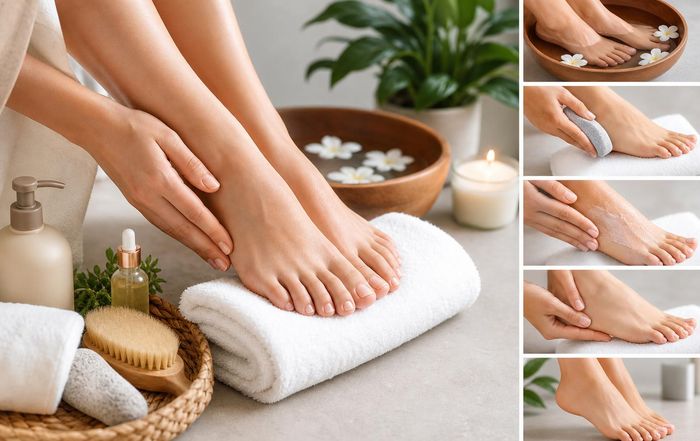
A Step-by-Step Guide to an At-Home Foot Care Routine
Feet carry the full weight of daily life, yet they are often the last part of a beauty routine to receive attention. A consistent at-home foot care ritual does more than keep nails polished; it helps prevent calluses, cracked heels, ingrown nails, odor, and even some types of pain. With a few affordable tools and a little time each week, it is possible to recreate a spa-style treatment at home and support both comfort and appearance.
This guide walks through a complete, practical routine-from daily basics to a more indulgent weekly session-plus product tips, hygiene guidelines, and red flags that mean it is time to see a professional.
For glamour and fashionable readers who like to build full self-care rituals, this routine pairs well with a broader body and skincare regimen and can be integrated into evening beauty routines.
1. Prepare your tools and products
A good foot care routine does not require professional equipment, but using the right tools makes the process easier and safer. Before starting, assemble and clean what you plan to use so you are not handling sharp or wet items in a rush.
Most at-home routines benefit from a basic set: a gentle liquid soap, a basin or bathtub, a soft towel, a nail clipper with a straight edge, a nail file or emery board, a foot file or pumice stone, a soft brush or washcloth, and a rich moisturizer or heel balm. For those who enjoy more spa-like treatments, optional items include Epsom salts, a mild chemical exfoliant formulated for feet (such as a low-strength urea or lactic acid cream), cuticle oil, and a base coat, polish, and top coat if nail color is part of the plan. The American Podiatric Medical Association (APMA) recommends choosing nail tools with smooth, cleanable surfaces and washing them with soap and water after each use, then drying thoroughly to reduce bacterial growth; metal tools can also be wiped with 70% isopropyl alcohol for extra hygiene, especially if multiple people in a household use them. For people with diabetes, poor circulation, or neuropathy, podiatry guidelines from organizations such as the American Diabetes Association emphasize using only gentle tools and avoiding sharp blades or aggressive callus shavers at home, as these can lead to wounds that heal poorly. Selecting products specifically labeled for feet, particularly moisturizers with urea, glycerin, or petrolatum, can improve dry or cracked skin more effectively than standard body lotion, as noted in dermatology resources from the American Academy of Dermatology. It can also be helpful to gather any supportive items for comfort-such as a chair, a small pillow for your back, or a tray for tools-so the process feels relaxing rather than rushed. Readers interested in how these choices fit into a wider beauty kit may find it helpful to explore more general beauty and grooming essentials before investing in new tools.
2. Start with a thorough cleanse
Cleansing is the foundation of foot care, because feet spend long hours in warm, often damp environments inside shoes. According to dermatologists interviewed by reputable outlets such as the Cleveland Clinic, this combination creates a favorable environment for bacteria and fungi that contribute to odor and infections like athlete's foot. A proper wash does more than rinse away sweat; it removes product buildup, dead skin, and microbes, and it prepares the skin for exfoliation and moisturizing.
Begin by soaking the feet in warm-not hot-water for about 10 to 15 minutes. Water that is too hot can strip oils, increase dryness, and may be dangerous for people with reduced sensation in their feet. Adding a mild, fragrance-free soap, a small amount of Epsom salt, or a gentle foot soak product can help soften skin and nails, but avoid harsh detergents or very strong essential oils undiluted, as these may irritate sensitive skin. Health organizations like the Mayo Clinic note that excessive moisture between toes encourages fungal infections, so once soaking and washing are complete, it is important to dry feet carefully, especially between the toes. Using a soft brush or washcloth during the wash can help loosen debris around the nails and in skin creases, but scrubbing should remain gentle to avoid micro-tears. Those who are prone to foot odor or fungal infections might benefit from alternating regular soap with an antifungal wash containing ingredients such as ketoconazole or selenium sulfide, used as directed by the product label or a healthcare professional. Integrating this cleansing step into an evening wellness routine can also be a calming transition before bed, particularly when combined with breathing exercises or a short stretch.
3. Trim and shape nails safely
Nail trimming is one of the most important steps for both aesthetics and health. Poor technique can contribute to ingrown toenails, infections, and discomfort in shoes. Guidelines shared by the American Orthopaedic Foot & Ankle Society and similar professional bodies consistently recommend cutting toenails straight across rather than in a curved shape. This helps prevent the corners of the nail from growing into surrounding skin, a common cause of ingrown nails that can be painful and sometimes require medical treatment.
After soaking and drying the feet, use a clean, sharp nail clipper designed for toenails, which are typically thicker than fingernails. Trim small amounts at a time instead of taking off large sections, which reduces the risk of cutting too short or splitting the nail. Leave a thin white edge; nails that are cut flush with or below the skin line are more likely to become ingrown or sore. Once the length is adjusted, use a fine nail file or emery board to smooth rough edges and slightly round the corners, but avoid deep rounding that changes the overall straight-across shape. If there is stubborn debris under the nail, a soft brush is safer than sharp tools, which can damage the nail bed or push material further under the nail. For those with thickened or discolored nails, which may indicate fungal infection, the U.S. Centers for Disease Control and Prevention (CDC) notes on its nail fungus information page that medical evaluation is advisable, as over-the-counter treatments have limited effectiveness in more advanced cases. People with diabetes or circulation issues are usually advised to have nails trimmed by a podiatrist or trained professional, since even minor cuts can progress to more serious complications. Once nails are shaped, applying a light cuticle oil and gently massaging-not cutting-the cuticles can improve appearance without increasing infection risk. Those who enjoy polish can then move into a manicure-style step similar to what is covered in broader makeup and beauty tutorials, remembering that nail health comes first.
4. Exfoliate calluses and rough skin
Exfoliation helps remove dead skin cells, smooth rough patches, and prevent thick calluses from becoming painful cracks. However, many dermatologists and podiatrists emphasize that exfoliation should be moderate and controlled. The APMA and national health services such as the UK NHS caution against using razors or sharp callus shavers at home because they can remove too much skin and cause injury or infection. Instead, they recommend tools like pumice stones, foot files, or gentle chemical exfoliants.
After soaking, when the skin is soft, gently rub a damp pumice stone or foot file over areas of hard or thickened skin, such as the heels, sides of the big toes, or balls of the feet. Use light to moderate pressure, focusing on a back-and-forth motion for no more than a few minutes per area. The goal is to gradually thin the callus, not remove it completely, since some callus is the body's natural protection against friction and pressure. If any area becomes red, sore, or begins to feel raw, stop immediately. For people with very dry or cracked heels, creams containing urea (10-25%), lactic acid, or salicylic acid can support chemical exfoliation by loosening dead skin over time; dermatology experts frequently mention these ingredients in resources like DermNet NZ's overview of keratolytic agents. These products should be used exactly as directed, and individuals with sensitive skin or certain medical conditions may wish to consult a healthcare professional before starting them. Those managing broader skin concerns such as eczema or psoriasis on the feet may need customized advice, as aggressive exfoliation can worsen some conditions. Between weekly exfoliation sessions, using a soft washcloth in the shower and wearing well-fitting shoes can help prevent calluses from reforming quickly.
5. Moisturize and seal in hydration
Once the skin is cleansed and smoothed, hydration is essential to keep it supple and to reduce the risk of cracking, especially around the heels. Dry, fissured skin is not only a cosmetic issue; it can become painful and, if deep enough, may allow bacteria to enter. The American Academy of Dermatology notes in its general guidance on relieving dry skin that thicker emollients containing petrolatum, mineral oil, shea butter, glycerin, or ceramides are particularly effective at trapping moisture and supporting the skin barrier.
After patting feet dry, apply a generous amount of foot cream or balm to the soles, heels, and tops of the feet, taking a moment to massage it in. Massage not only improves absorption but can boost circulation and relieve tension after a long day. For very dry or cracked heels, targeted products containing urea, lactic acid, or salicylic acid in cream form can soften thickened areas over time, but they should not be applied to open cuts or actively bleeding cracks. Many podiatry clinics and dermatologists suggest avoiding heavy creams or oils between the toes, as excessive moisture there may encourage fungal infections; a light lotion is usually sufficient for these spaces, if anything. To intensify hydration, some people like to put on clean cotton socks after moisturizing and leave them on for an hour or overnight, a method often described in beauty and routines-focused content as a "sock mask." Those with sensitive skin may prefer fragrance-free formulas to minimize irritation, and patch testing a new product on a small area of the foot before full use is a sensible precaution. If dryness persists despite regular moisturizing, or if there is thick yellow scaling or redness, this may indicate athlete's foot or another skin condition, in which case antifungal creams or medical evaluation may be needed.
6. Optional: Nail polish and finishing touches
For many beauty enthusiasts, nail color is the final, enjoyable step that makes a foot care routine feel complete. While polish is optional, applying it carefully and with the right base can help protect the nail surface and create a more polished look. Before starting, ensure nails are completely dry and free of oils or heavy creams; wiping them lightly with a bit of non-acetone remover can help polish adhere better. Begin with a thin base coat, which can reduce staining from colored polishes and sometimes includes strengthening ingredients such as calcium or protein. Then apply one to two thin layers of polish, allowing each layer to dry fully, followed by a top coat for shine and chip resistance. Beauty professionals often emphasize that multiple thin coats last longer and look smoother than a single thick one, a principle echoed in many professional nail care guides and reputable beauty publications such as Allure and Byrdie.
It is also important to give nails periodic breaks from polish to reduce the risk of discoloration, dryness, or brittleness. The Cleveland Clinic notes in its nail health advice that leaving nails bare for a week or two between long stretches of continuous polish wear can help them recover, especially if using drying removers that contain acetone. For those who prefer gel polish at home, following manufacturer instructions carefully and using proper LED/UV lamps is essential, along with gentle removal using soak-off techniques rather than peeling, which can strip layers of the nail plate. If nails appear crumbly, thickened, or yellowed even without polish, or if there is pain around the nail fold, a fungal infection or bacterial issue may be present and should be evaluated by a professional rather than covered with more color. Complementing polished nails with simple practices like regular exfoliation and moisturizing of the ankles and lower legs can create a cohesive look that fits within broader fashion-forward beauty choices, particularly when wearing open shoes or sandals.
7. Build a sustainable weekly and daily routine
The best foot care routine is one that is realistic to maintain. While a full spa-style session might be reserved for once a week or every other week, a few small daily habits can significantly improve foot health and comfort. Health organizations such as the National Institute of Diabetes and Digestive and Kidney Diseases (NIDDK) highlight daily inspection and basic hygiene as key to preventing complications, particularly for people with diabetes, but these habits benefit almost everyone.
On a daily basis, washing feet with mild soap and water, drying thoroughly-especially between toes-and changing into clean, breathable socks can help control odor and reduce the risk of fungal infections. Shoes should be allowed to air out between wears; alternating pairs and using moisture-wicking insoles can be helpful, particularly for those who exercise regularly. Incorporating a brief foot check into an evening health and fitness routine allows people to spot blisters, hot spots, or early signs of irritation before they escalate. Once or twice a week, a more focused session can include soaking, nail care, gentle exfoliation, and rich moisturizing. Time-pressed readers might combine this with another self-care ritual-such as a face mask or hair treatment-so the minutes feel doubly productive. For those who stand all day or engage in high-impact sports, adding short stretching or strengthening exercises for the arches and calves, as recommended by resources like the American Orthopaedic Foot & Ankle Society's exercise guides, can support long-term comfort and performance. Over time, this layered approach creates a routine that supports both appearance and function, aligning foot care with the kind of integrated, head-to-toe beauty and wellness habits many readers aim to cultivate.
8. Know when to see a professional
Even with careful at-home care, there are situations where professional help is safer and more effective. Recognizing these limits is part of a responsible routine. Podiatrists and dermatologists generally advise seeking medical attention if there is persistent pain, swelling, or redness; signs of infection such as warmth, pus, or red streaks; sudden changes in nail color or shape; or wounds that do not heal. According to the American Podiatric Medical Association, recurring ingrown toenails, severe calluses or corns, and suspected warts often respond better to professional treatment than to repeated home attempts, which can sometimes worsen the problem.
People with diabetes, peripheral artery disease, neuropathy, or immune suppression are typically advised to have regular foot examinations by a healthcare professional and to avoid self-treating corns, calluses, or ingrown nails. The American Diabetes Association underscores that early detection of even minor changes-such as color differences, temperature changes, or areas of pressure-can prevent more serious complications. Similarly, athletes or frequent gym users who repeatedly develop athlete's foot, toenail fungus, or blisters may benefit from tailored advice on footwear, socks, and hygiene from a podiatrist or sports medicine specialist. For cosmetic concerns like persistent nail discoloration, unusual ridging, or unexplained changes in skin pigmentation on the feet, a dermatologist can help distinguish between benign variations and conditions that require treatment. While at-home routines can handle most everyday maintenance, partnering with a professional when needed ensures that beauty goals align with long-term health, echoing the broader principle that underpins many guides and tips: cosmetic care works best when it respects and supports the body's underlying health.
Caring for feet at home does not have to be elaborate or expensive. With consistent cleansing, careful nail trimming, moderate exfoliation, and targeted moisturizing, most people can maintain soft, comfortable, and well-groomed feet between salon visits-or instead of them. Integrating these steps into existing beauty and wellness habits creates a routine that feels less like a chore and more like a small daily investment in comfort, mobility, and confidence.
